



Olive leaf extract: A molecular shield against metabolic issues
Rich in oleuropein, olive leaf extract is emerging as a clinically backed tool to combat 21st-century metabolic challenges like obesity and diabetes.


BY AHMET TAŞ | WISE NEWS PRESS
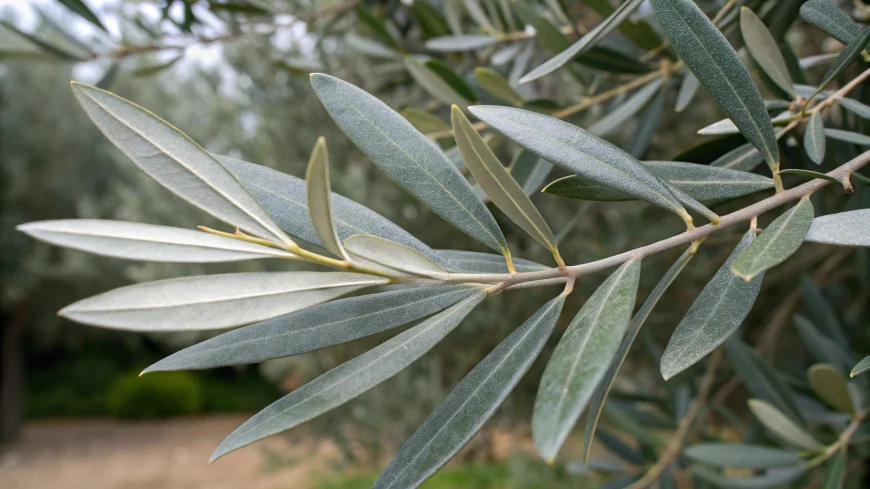
ADELAIDE, AUSTRALIA — Once used in traditional folk medicine to combat fever, olive leaf extract is now undergoing rigorous clinical testing as a potential solution for 21st-century metabolic disorders, from obesity to diabetes.
The star component of this botanical extract is oleuropein. According to Dr. Evangeline Mantzioris from the University of South Australia, this potent polyphenol is found in significantly higher concentrations in the leaves than in olive oil or the fruit itself. Modern endocrinology is placing high hopes on these leaves for controlling carbohydrate metabolism by increasing cellular sensitivity to insulin—a critical factor in reducing blood sugar and fat storage.
Cardioprotection by the numbers
A meta-analysis of 12 experimental studies involving over 800 participants confirmed that olive leaf extract is an effective tool for normalizing blood pressure. Research published in the European Journal of Nutrition indicates that a daily dose of 500–1000 mg can yield effects comparable to first-line antihypertensive drugs but without their typical side effects, provided it is managed under medical supervision. Participants also showed improved lipid profiles, including a reduction in "bad" cholesterol (LDL) levels.
Beyond blood sugar: The molecular exercise effect
Oleuropein does not work alone; it leads a "detachment" of antioxidants that neutralize free radicals and prevent DNA damage. Key compounds include:
-
Hydroxytyrosol: One of the few antioxidants capable of crossing the blood-brain barrier to protect brain cells.


-
Luteolin and Apigenin: Flavonoids with proven anti-inflammatory properties.
-
Verbascoside: A compound that protects the skin from photoaging and oxidative stress.
Data suggests that oleuropein may even mimic the effects of physical exercise at a molecular level by activating proteins responsible for energy burning in the mitochondria.


Practical integration and safety precautions
Due to the bitter and astringent taste of the leaves, direct consumption as tea is not palatable for everyone. Modern methods include standardized capsules, fortified bread, or using dried crushed leaves as a spice in smoothies and salads. However, Dr. Mantzioris warns that olive leaf extract is a powerful bioactive agent; if combined with existing medications for blood pressure or diabetes, it could amplify their effects to dangerous levels, leading to severe hypotension or hypoglycemia.
What's Your Reaction?
 Like
0
Like
0
 Dislike
0
Dislike
0
 Love
0
Love
0
 Funny
0
Funny
0
 Wow
0
Wow
0
 Sad
0
Sad
0
 Angry
0
Angry
0

Editor | Wise News Press — Delivering accurate, timely global news with integrity, insight, and editorial responsibility.




















Comments (0)