



Namık Kemal's London exile and the roots of Ottoman opposition
Namık Kemal's years in London and his publication "Hürriyet" laid the intellectual foundation for the first organized political opposition in the Ottoman Empire.
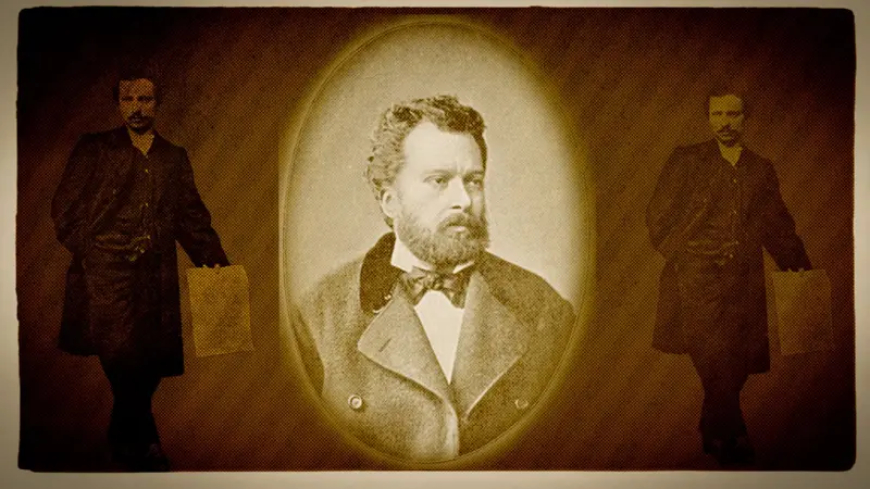


WISE NEWS PRESS / LONDON, UK — Dec. 2, 2025
Amidst the modernization struggles of the Ottoman Empire, the exile period of the renowned "Poet of the Homeland," Namık Kemal, in London between 1868 and 1870 marked a pivotal moment in the development of opposition thought and the quest for constitutional order.
As the Tanzimat reforms fell short of addressing deep-seated issues, leading figures of the "Young Ottomans" society sought refuge and inspiration in the West. The London journey of intellectuals like Namık Kemal, Ziya Pasha, and Ali Suavi was not merely an escape but a profound intellectual awakening.
The birth of 'Hürriyet' in London
In June 1868, the newspaper Hürriyet (Liberty) began publication in London. Smuggled into Ottoman lands, it reached a wide audience, becoming one of the first platforms to discuss imperial problems without censorship. Through his editorials, Namık Kemal introduced concepts such as constitutional monarchy and the parliamentary system to the Ottoman intelligentsia.


Influence of Western democracy
During his time in London, Namık Kemal closely observed the British parliament and justice system. The orderliness of the parliament, the representation of public demands by MPs, and the rule of law inspired his writings on "Usul-i Meşveret" (Method of Consultation). According to historian Ozan Özavcı, these observations played a key role in maturing the idea of constitutionalism in the Ottoman Empire.


An intellectual bridge
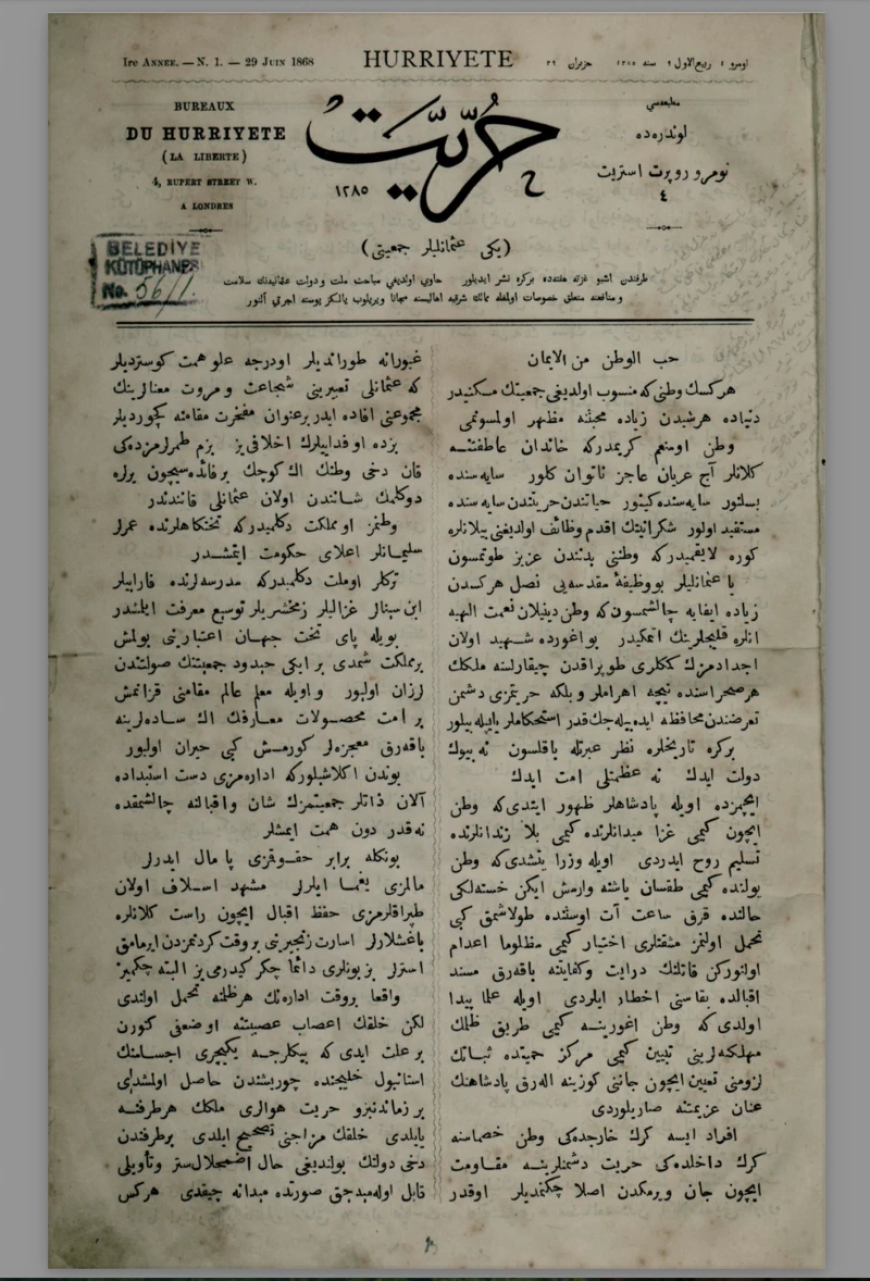
Dr. Banu Turnaoğlu from Sabancı University describes Hürriyet as "an intellectual bridge where political thought circulated between Istanbul and Europe." Namık Kemal's London years inspired not only Ottoman but also Arab intellectual movements, earning him the title "Prince of the Free."
Although his London years ended with the Egyptian crisis, followed by his return to Istanbul and subsequent exiles, the legacy he left behind illuminated the path to the Constitution of 1876 and the Young Turk generation.
What's Your Reaction?
 Like
0
Like
0
 Dislike
0
Dislike
0
 Love
0
Love
0
 Funny
0
Funny
0
 Wow
0
Wow
0
 Sad
0
Sad
0
 Angry
0
Angry
0

Editor | Wise News Press — Delivering accurate, timely global news with integrity, insight, and editorial responsibility.



















Comments (0)