



Russia-Ukraine peace: 4 "tough" issues threatening a deal
Despite optimism from Trump and the Kremlin, critical disputes over territory, nuclear safety, and security guarantees remain major hurdles for a final peace deal.
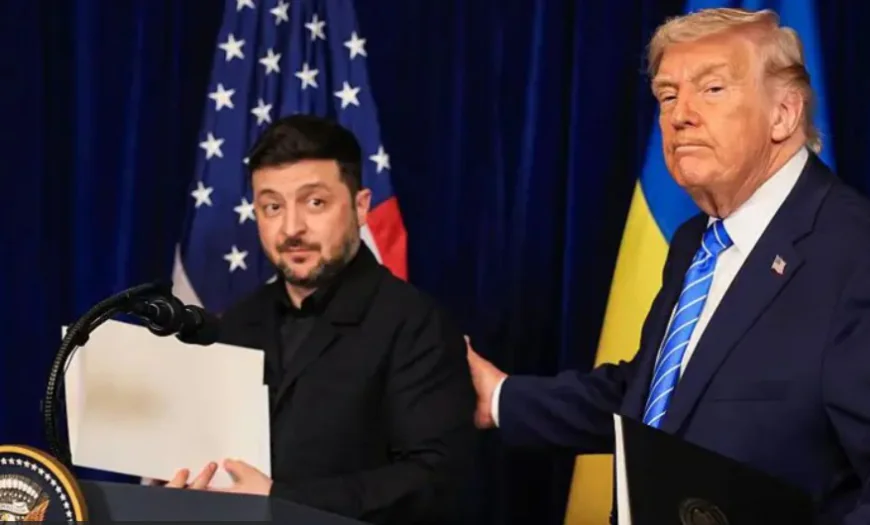


WISENEWSPRESS.COM / KYIV, UKRAINE — JAN. 1, 2026
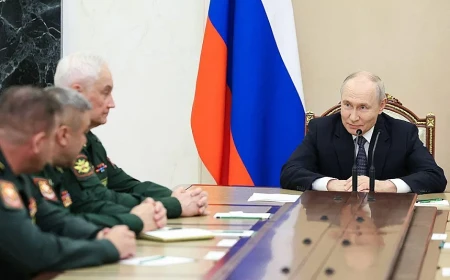
While Russia, the U.S., and Ukraine agree that a deal to end the four-year war is approaching, several "thorny" and "very tough" issues—ranging from territorial sovereignty to the control of Europe’s largest nuclear plant—remain unresolved.
U.S. President Donald Trump has stated that negotiations are in their "final stages," a sentiment echoed by the Kremlin. However, Ukrainian President Volodymyr Zelensky, who is set to meet European leaders in France on January 6, remains skeptical of Vladimir Putin’s commitment to a fair peace. Zelensky has emphasized that he does not trust the Russian leader and insists that any final agreement must be approved by the Ukrainian people through a national referendum. As both sides grapple with exhaustion from the prolonged conflict, these specific sticking points could still derail the fragile momentum toward a ceasefire.
Disputes Over the Donbas Industrial Heartland
The fate of the Donbas region remains a primary obstacle, as Vladimir Putin demands full control over the Luhansk and Donetsk regions. While Russian forces occupy most of Luhansk, they hold only about 75% of Donetsk, and Putin is reportedly insisting on the surrender of major cities like Sloviansk and Kramatorsk. Zelensky has rejected these demands, citing constitutional laws and the welfare of the 300,000 residents living in those areas. Instead, Kyiv has proposed creating a demilitarized or free economic zone monitored by international forces, a suggestion that the Kremlin has yet to accept.
Control of the Zaporizhzhia Nuclear Power Plant
Occupied by Russia since March 2022, the Zaporizhzhia nuclear plant in Enerhodar represents a complex technical and political deadlock. A reported U.S. proposal suggests the plant be managed by the United States as a joint venture with both Russia and Ukraine. However, Russia’s nuclear agency, Rosatom, insists that only Russia can ensure the facility's safety and operations. Ukraine, meanwhile, seeks a demilitarized status for the site and a joint management role with the U.S., including a say in where the generated energy is directed once the reactors are reactivated.
Security Guarantees and Financial Reparations
Kyiv is demanding firm security guarantees from the U.S. and Europe to prevent future Russian aggression, including a potential NATO response. Russia, however, remains adamantly opposed to any deployment of European or NATO troops within Ukraine. Additionally, the question of who will pay for Ukraine's estimated $800 billion in financial losses looms large. While the U.S. discusses a joint investment fund, Russia continues to block the use of its €210 billion in frozen assets currently held in Europe for such purposes.


The Referendum and Ceasefire Paradox
Zelensky maintains that 87% of Ukrainians want peace, but 85% oppose withdrawing from the Donbas, creating a political tightrope for the leadership. He believes no decision can be finalized without a national vote, which would require a 60-day ceasefire to prepare. The Kremlin opposes a temporary ceasefire, arguing it would only allow Ukraine to regroup and lead to further hostilities. President Trump has indicated he understands Putin's position on this, adding another layer of complexity to the "tough" list of issues to be resolved.


What's Your Reaction?
 Like
0
Like
0
 Dislike
0
Dislike
0
 Love
0
Love
0
 Funny
0
Funny
0
 Wow
0
Wow
0
 Sad
0
Sad
0
 Angry
0
Angry
0

Editor | Wise News Press — Delivering accurate, timely global news with integrity, insight, and editorial responsibility.












Comments (0)