


China to send air defense systems to Iran ahead of US talks
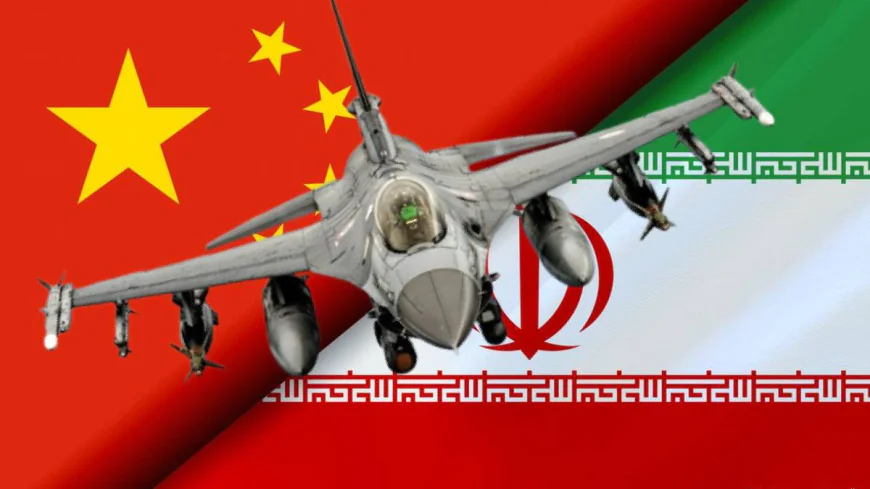
US intelligence reports reveal China’s plan to transfer MANPADS to Iran via third-party nations just hours before critical ceasefire talks begin in Islamabad.


By Ahmet Taş | Wise News Press
ISLAMABAD, PAKISTAN — US intelligence sources leaked reports that China is preparing to transfer man-portable air-defense systems (MANPADS) to Iran just hours before a pivotal ceasefire negotiation between Washington and Tehran begins in Islamabad.
The revelation, first disclosed by CNN through three sources familiar with the latest intelligence assessments, suggests that Beijing intends to provide military support to Tehran as it prepares for high-level talks aimed at ending a six-week conflict. According to the leaked reports, China plans to utilize third-party nations to mask the origin of the weapons, complicating the diplomatic landscape just as mediators from Pakistan attempt to broker a truce.
Tactical implications of MANPADS delivery
The specific systems identified in the intelligence leak are Man-Portable Air-Defense Systems (MANPADS), which are shoulder-fired surface-to-air missiles. These weapons are highly effective against low-altitude targets, including fighter jets, helicopters, and unmanned aerial vehicles (UAVs), making them a significant tactical asset in modern asymmetric warfare.
By providing these systems, China would potentially enhance Iran’s ability to defend its airspace against US and allied aerial operations. Analysts suggest that the introduction of advanced MANPADS could increase the risk to coalition pilots and force a change in aerial engagement strategies. The intelligence indicates that the shipment is expected to be completed within the next few weeks, suggesting an urgency to bolster Iranian defenses before or during the implementation of any potential ceasefire.


A shadow over the Islamabad peace summit
The timing of the leak is widely seen as a strategic maneuver that could impact the leverage held by both sides at the negotiating table. High-level delegations from the United States and Iran are scheduled to meet in the Pakistani capital, Islamabad, this Saturday to discuss a roadmap for de-escalation after 42 days of active hostilities.


The Islamabad summit is the result of intensive mediation by Pakistani officials, yet the news of Chinese military involvement adds a layer of complexity to the talks. While the primary goal is a ceasefire, the alleged Chinese shipment may prompt US negotiators to demand stricter verification and non-proliferation clauses, while Tehran may feel emboldened by the prospect of renewed military hardware.
The third-party transit strategy
A critical component of the intelligence report focuses on Beijing’s logistics. Sources indicate that China is working to direct the shipment through "third-party countries" to erase the trail and conceal the fact that the weapons originated from Chinese state factories. This "grey-zone" logistics strategy is designed to minimize direct diplomatic blowback while maintaining military support for a strategic partner.
Reuters reported that the US State Department, the White House, and the Chinese Embassy in Washington have not yet responded to requests for comment regarding the authenticity of the leak. However, the use of intermediary nations for arms transfers is a well-documented method in global power competition, aimed at providing plausible deniability to the supplier.
Regional reactions and the "red line"
The leak comes amidst rising rhetoric from regional leaders. Ahead of the negotiations, Iranian Parliament Speaker Mohammad Bagher Ghalibaf issued a stern warning, stating that a "ceasefire in Lebanon is a red line" for Tehran. This underscores the regional nature of the conflict and suggests that any agreement reached in Islamabad must account for the broader proxy network supported by Iran.
Furthermore, the involvement of China as a military supplier signals a deepening of the Beijing-Tehran strategic axis. For Washington, this development represents not only a regional security challenge but also a broader competition with China for influence in the Middle East. The Islamabad talks will now be watched closely to see if the leak leads to a hardening of positions or if the urgency of stopping the conflict outweighs the concerns over new weapon shipments.
What's Your Reaction?
 Like
0
Like
0
 Dislike
0
Dislike
0
 Love
0
Love
0
 Funny
0
Funny
0
 Wow
0
Wow
0
 Sad
0
Sad
0
 Angry
0
Angry
0

Editor | Wise News Press — Delivering accurate, timely global news with integrity, insight, and editorial responsibility.

















Comments (0)