



Syrians return from Turkey: Starting over but no longer refugees
Over 550,000 Syrians have returned from Turkey since late 2024, facing severe infrastructure shortages and language barriers while reclaiming their identity.
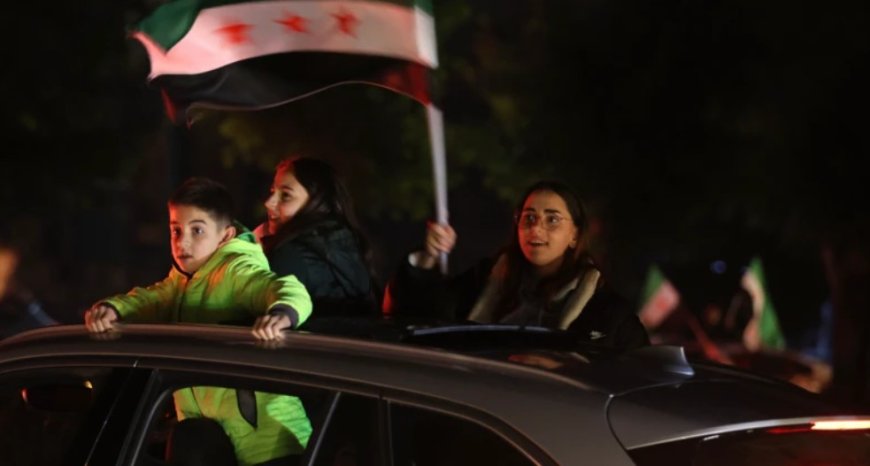


WISE NEWS PRESS / ANKARA, TURKEY — DEC. 08, 2025
More than 550,000 Syrians have returned from Turkey since late 2024, facing severe infrastructure shortages and economic struggles in exchange for losing their refugee status.
While the International Organization for Migration (IOM) reports that 782,000 people have returned to Syria from abroad since December 2024, returnees are encountering a landscape defined by destruction and a lack of basic services. Turkish Interior Minister Ali Yerlikaya confirmed that over half a million of these returnees came from Turkey.
Language barriers and economic hardship
For many families, the return brings unexpected cultural challenges alongside economic ones. Muhanned, who returned to Idlib after seven years in Turkey, notes that his children now struggle in their own country.
"We spent years learning a language that wasn't ours. Now my children speak fluent Turkish, but it is of no use in their own country," Muhanned said.
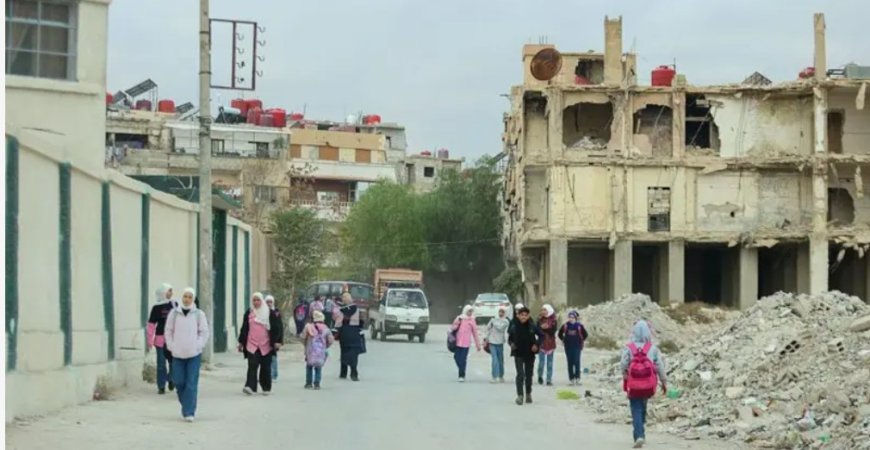


He explained that while his children can speak Arabic, they cannot read or write it, forcing his eldest daughter in seventh grade to struggle significantly with her education. Muhanned, who lost an arm in the war and now runs a pastry shop, highlights that rent for a habitable home ranges from $300 to $500, a steep price given local incomes. He currently pays $120 for a concrete shell without paint or flooring.
Broken infrastructure and healthcare costs
The IOM reports that inflation and living costs in Syria are rising rapidly while public services remain insufficient. In many areas, electricity is available for only a few hours a day, and water must often be purchased from private well owners.
Maysa, a 37-year-old teacher who returned to Damascus after 11 years, lives with 12 family members due to high rents. She stated that water is available only once a week, and electricity is limited to six hours daily.


"I can only use the washing machine when there is electricity," Maysa said, adding that family members can only shower on specific days.
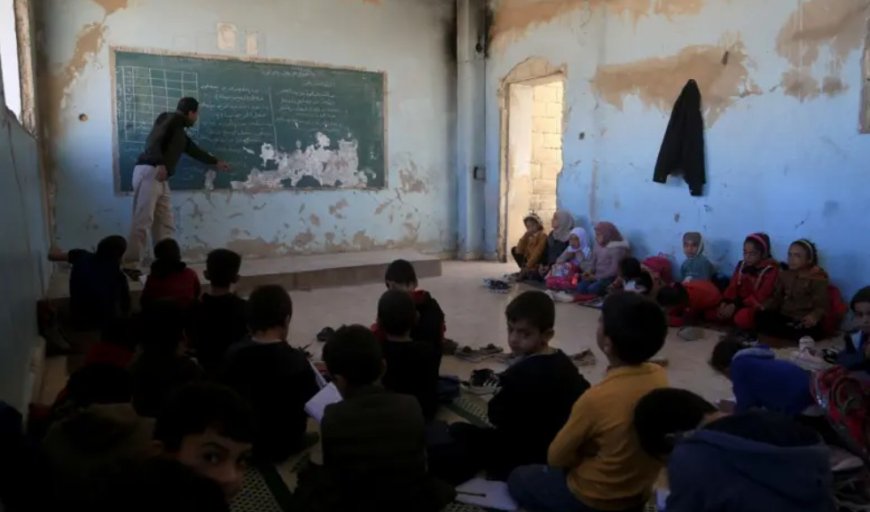
Healthcare also remains a critical concern. Muhanned recounted paying $50 a night at a private hospital for his daughter because public infrastructure was lacking, eventually having to discharge her early due to costs. The IOM notes that more than 70 percent of public hospitals do not have a regular power supply.
The emotional weight of returning home
Despite the material hardships, many returnees express a profound sense of relief regarding their social status. Maysa emphasized that she no longer feels like a foreigner or a refugee.
"I live in my own country and I can express my opinions freely. I am part of this society... and I am no longer afraid as I used to be," she said.
However, the transition is difficult for the younger generation. Farah, 18, who moved to Turkey at age nine, feels alienated in Aleppo. "I don't even remember the old Syria; my whole life was spent in Turkey. This place is very difficult for me," she said.
Experts suggest the pace of return depends heavily on infrastructure. Serkan Denli, a researcher at HCG Consulting, noted that many homes in rural areas are heavily damaged, and economic support mechanisms are essential for sustainable returns. Meanwhile, Kürşad Şahin of Medenia consulting stated that while there is optimism, the lack of foreign investment and reliable energy continues to slow reconstruction.
What's Your Reaction?
 Like
0
Like
0
 Dislike
0
Dislike
0
 Love
0
Love
0
 Funny
0
Funny
0
 Wow
0
Wow
0
 Sad
0
Sad
0
 Angry
0
Angry
0

Editor | Wise News Press — Delivering accurate, timely global news with integrity, insight, and editorial responsibility.











Comments (0)