



Early onset cataracts rising due to genetics and eye trauma
Cataracts are no longer just a disease of the elderly. Experts warn that genetic factors, chronic diseases, and eye trauma are causing cases in adults in their 30s.



By Ahmet Taş | Wise News Press
ANKARA, TURKEY — Once considered a natural and inevitable part of aging, cataracts are increasingly affecting young adults in their 30s and 40s due to a combination of genetic and environmental factors.
As one of the leading causes of permanent vision loss worldwide, cataracts occur when the eye's natural lens loses its transparency, resulting in blurred vision, light sensitivity, and faded colors. While traditionally associated with patients over the age of 50, ophthalmologists warn that the demographic is rapidly shifting, prompting a need for early prevention and modern surgical interventions.
Genetic roots and chronic health triggers
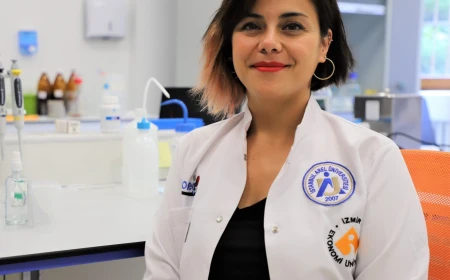
According to Prof. Dr. Kadriye Ufuk Elgin, an ophthalmology specialist at Dunyagoz Tunus Hospital, the most significant cause of early-onset cataracts is genetic inheritance. Patients with a family history, particularly in first-degree relatives, are highly susceptible to lens deterioration at a much younger age.
Furthermore, Elgin stated that chronic health issues brought on by modern lifestyles significantly accelerate this degenerative process. Uncontrolled diabetes, high blood pressure, obesity, and elevated intraocular pressure are recognized as primary medical triggers that prompt the early formation of cataracts.
The hidden impact of trauma and environment
Beyond genetics and systemic diseases, physical trauma to the eye plays a crucial role in early cataract development. Elgin noted that sports injuries or severe blows to the eye sustained during childhood or adolescence can silently damage the lens, only to manifest as cataracts years later.


Additionally, prolonged exposure to ultraviolet (UV) rays and active smoking are cited as "hidden culprits" that steadily deteriorate the eye's natural lens in young adults.
Prevention and modern surgical solutions
To protect against early-onset cataracts, experts highly recommend wearing UV-blocking sunglasses, avoiding smoking and excessive alcohol consumption, tightly managing blood sugar levels, and maintaining an antioxidant-rich diet. Elgin emphasized that regular eye examinations are essential for detecting cataracts and other underlying vision issues before they cause severe impairment.
When prevention is no longer an option, medical intervention becomes strictly necessary. Elgin clarified that cataracts cannot be reversed or treated with oral medication or eye drops; surgery remains the only effective solution.


"Phacoemulsification has been used in the treatment of cataracts for many years. In this method, the cataractous lens is broken up inside the eye with sound waves and removed, and a new lens is inserted in its place," Elgin said.
The minimally invasive procedure is typically performed under drop anesthesia, allowing patients to be discharged on the same day and return to their normal social lives by the following morning.
In recent years, classic monofocal lenses are increasingly being replaced by multifocal premium intraocular lenses, often referred to as smart lenses. These advanced medical devices not only eliminate the cataract but also correct other refractive errors, providing patients with clear and sharp vision across multiple distances without the need for glasses.
What's Your Reaction?
 Like
0
Like
0
 Dislike
0
Dislike
0
 Love
0
Love
0
 Funny
0
Funny
0
 Wow
0
Wow
0
 Sad
0
Sad
0
 Angry
0
Angry
0

Editor | Wise News Press — Delivering accurate, timely global news with integrity, insight, and editorial responsibility.


















Comments (0)