



AK Party turns 25: A quarter-century at the center of Turkish politics
Founded on August 14, 2001, Turkey’s AK Party marks 25 years after reshaping elections, government and the country’s political system.


By Ahmet Taş | Wise News Press
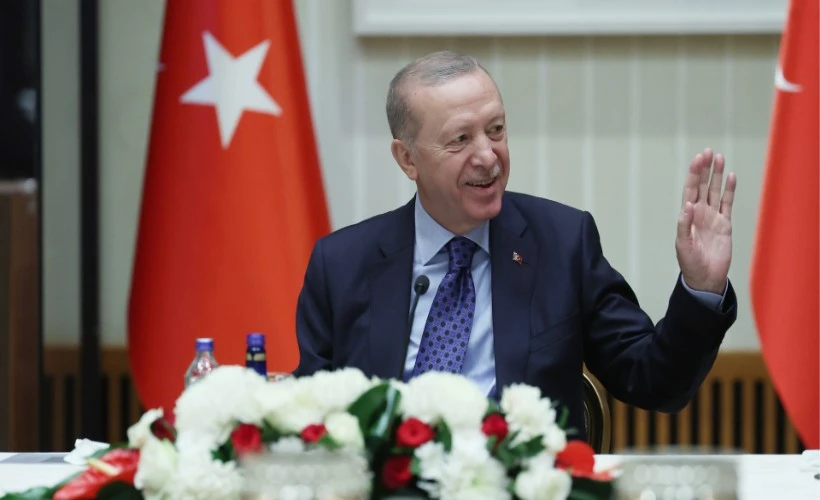
ANKARA, TÜRKİYE — Turkey’s Justice and Development Party, widely known by its Turkish acronym AK Parti, is marking its 25th anniversary after a quarter-century in which it became the dominant force in national politics and reshaped the country’s system of government.
Founded under Recep Tayyip Erdoğan’s leadership on August 14, 2001, the party entered government after winning the 2002 general election and has remained at the center of executive power ever since. Erdoğan, now both president and AK Party chairman, is expected to address the party’s anniversary program at Başkent Millet Bahçesi in Ankara.
From a new party to government in just 15 months
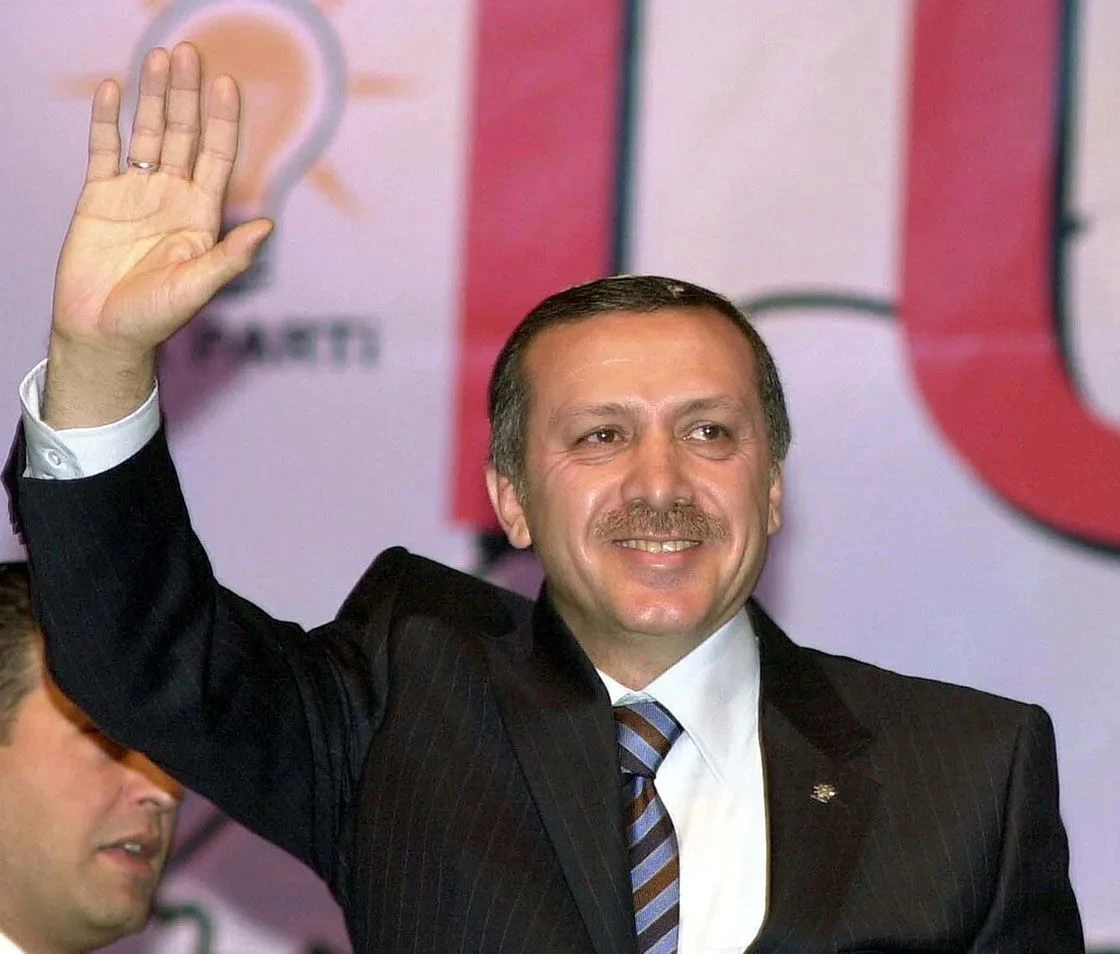
AK Party was established on August 14, 2001, entering Turkish political life as the country’s 39th registered political party.
Its formation was led by Erdoğan and a group of politicians who presented the party as a new political movement emerging from a period of economic instability, coalition governments and deep public dissatisfaction with established parties.



During the launch, Erdoğan declared that “nothing would ever be the same again” in Turkey — a phrase that later became closely associated with the beginning of the AK Party era.
Just 15 months after its foundation, the party contested the November 3, 2002 general election under the slogan “On its own, into power.”
AK Party won 34.28% of the vote and emerged as the largest party, securing enough parliamentary seats to form a single-party government.


Erdoğan, however, was unable to enter parliament immediately because of a political ban. Abdullah Gül therefore formed Turkey’s 58th government.
After legal changes removed Erdoğan’s political restriction, he entered parliament following a renewed election in Siirt on March 9, 2003. He became prime minister days later and formed the 59th government.
Successive election victories strengthened AK Party’s dominance
The party consolidated its position during the following years.
In the 2004 local elections, AK Party won more than 40% of the national vote and took control of a large number of municipalities.

It increased its vote share again in the 2007 parliamentary election, winning approximately 46.6% and preserving its single-party government.
By the 2011 general election, AK Party was approaching half of all votes cast nationwide, receiving around 49.8%.
This sequence of victories gave the party an unusually long period of political continuity in a country where coalition governments and frequent changes of administration had previously been common.
AK Party has finished first in every parliamentary general election it has contested since its establishment, making its electoral record one of the central features of its 25-year political history.
The 2008 closure case brought the party close to dissolution
Despite its electoral strength, AK Party faced one of the most serious threats to its existence in 2008.
Then-Chief Public Prosecutor of the Court of Cassation Abdurrahman Yalçınkaya filed a case seeking the party’s closure and political bans against 71 people, including President Abdullah Gül and Prime Minister Erdoğan.
The Constitutional Court accepted the indictment in March 2008.
When the court delivered its decision on July 30, six judges voted in favor of closing the party and five voted against.
The constitutionally required qualified majority was not reached, and AK Party therefore remained legally active.
The episode became one of the most significant confrontations between the elected government and Turkey’s judicial-establishment structures during the party’s early period in office.
Referendums transformed Turkey’s political system
AK Party’s years in government were marked not only by elections but also by major constitutional changes.
A referendum held on September 12, 2010 approved a package of constitutional amendments with 57.88% voting in favor.
An even more far-reaching transformation followed after the attempted coup of July 15, 2016.
Political cooperation between AK Party and the Nationalist Movement Party, or MHP, strengthened in the aftermath of the coup attempt and eventually developed into the People’s Alliance.
A constitutional referendum was held on April 16, 2017.
The amendments were approved by 51.41% of voters, while 48.59% voted against them.
The changes paved the way for Turkey’s transition from a parliamentary system to the presidential system of government.
They also removed the requirement for the president to sever formal ties with a political party.
Erdoğan subsequently rejoined AK Party and was elected party chairman again at an extraordinary congress in May 2017.
The new presidential system became fully operational following the 2018 presidential and parliamentary elections.
Erdoğan became Turkey’s first directly elected president
Another major turning point came in 2014.
After Abdullah Gül completed his presidential term, Erdoğan stood in Turkey’s first direct popular presidential election.
He won the August 10, 2014 vote with 51.79%, becoming Turkey’s 12th president and the first to be elected directly by voters rather than parliament.
Ahmet Davutoğlu succeeded Erdoğan as AK Party chairman and prime minister.
After the June 2015 parliamentary election deprived AK Party of its single-party majority, a repeat election was held on November 1. AK Party regained enough seats to govern alone.
Davutoğlu later left the party leadership, and Binali Yıldırım was elected chairman in May 2016.
Yıldırım became prime minister and ultimately served as the last holder of that office before the parliamentary system was replaced by the new presidential model.
July 15 and the birth of the People’s Alliance
The failed military coup of July 15, 2016 became one of the defining events of both the AK Party period and modern Turkish politics.
The Turkish government attributes the attempted coup to the Gülen movement, which Ankara designates as the Fetullahist Terrorist Organization, or FETÖ.
President Erdoğan called on citizens to take to streets, public squares and airports in opposition to the coup attempt.
The resistance to the attempted takeover and the subsequent political cooperation between AK Party and MHP helped establish the foundations of the People’s Alliance.
That cooperation later shaped constitutional reform, presidential elections and parliamentary politics.
The July 15 period also led to far-reaching changes in state institutions, security structures and Turkey’s political climate, making it one of the most consequential chapters of the AK Party’s 25-year history.
2023 victory followed by a major setback in the 2024 local elections
AK Party remained Turkey’s largest party in the May 14, 2023 parliamentary election.
It received approximately 35.6% of the vote and won 268 seats in the Grand National Assembly.
Erdoğan also secured another presidential term after winning the second round of the presidential election.
However, the March 31, 2024 local elections produced a markedly different political picture.
AK Party suffered one of the most significant electoral setbacks of its history as the main opposition Republican People’s Party, or CHP, finished ahead of it nationally in the local vote.
The result showed that while AK Party retained control of the national executive and remained one of parliament’s largest political forces, voter preferences were becoming more competitive after more than two decades of AK Party dominance.
Supporters and critics offer sharply different assessments of 25 years
AK Party’s quarter-century in politics has produced profoundly different interpretations of Turkey’s transformation.
Supporters point to major infrastructure projects, expanded healthcare services, growth in Turkey’s defence industry, improvements in transport networks and a more assertive foreign policy.
They also credit Erdoğan and AK Party with giving traditionally conservative and religious sections of society greater representation in public life.
Critics, however, focus on concerns over the rule of law, institutional independence, press freedom, economic management and the concentration of executive authority under the presidential system.
The debate over AK Party’s legacy therefore extends far beyond its election results.
During its 25 years, the party has been at the center of debates over European Union reforms, constitutional change, civil-military relations, economic crises, foreign policy, the Kurdish question, migration, the July 15 coup attempt and the restructuring of the Turkish state.
The 25th anniversary also looks toward AK Party’s next chapter
The anniversary program in Ankara is expected to bring together party founders, senior officials, members of parliament, provincial organizations and invited guests.
Erdoğan’s address will be closely watched for messages about both the party’s record and its future political direction.
AK Party enters its 25th year facing a political environment different from the one in which it first came to power.
Turkey is dealing with economic challenges, changing voter behavior, regional conflicts and an increasingly complex international environment. At the same time, the party must consider how to renew its organization after more than two decades in government.
For AK Party, August 14 therefore represents more than an anniversary.
It marks a quarter-century in which a political movement founded in 2001 became the central force of Turkish government, produced prime ministers and presidents, changed the constitutional system and left a lasting imprint on virtually every major political debate in modern Turkey.
WiseNewsPress.com
What's Your Reaction?
 Like
0
Like
0
 Dislike
0
Dislike
0
 Love
0
Love
0
 Funny
0
Funny
0
 Wow
0
Wow
0
 Sad
0
Sad
0
 Angry
0
Angry
0

Editor | Wise News Press — Delivering accurate, timely global news with integrity, insight, and editorial responsibility.




















Comments (0)