



Extended Lifespan: Is It Genetics or Lifestyle Choice?
Internal Medicine Specialist Dr. Halil Ertürk explains that 25-40% of lifespan is determined by genetics, but the remaining 60% is shaped by epigenetics and lifestyle—with proven ways to 'de-age' the biological clock.


WISE NEWS PRESS / ISTANBUL, TURKEY — Nov. 12, 2025
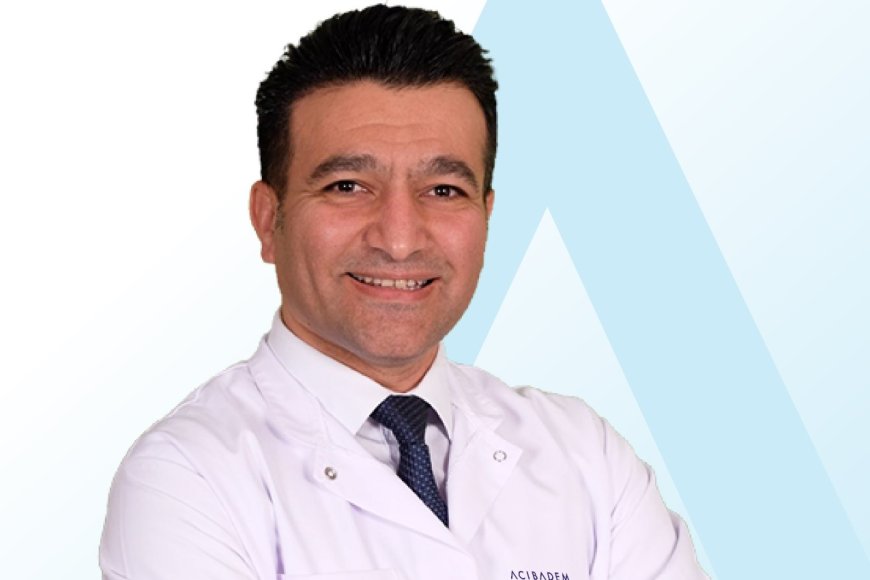
While some people live healthily until the age of 100, others face serious health problems earlier in life. Where does the secret to longevity lie? Is it genetics, or is lifestyle more defining? "Approximately 25-40% of the human lifespan is determined by genetics, while the rest depends on lifestyle, environmental factors, and chance," says Internal Medicine Specialist Dr. Halil Ertürk of Acıbadem Life Longevity, explaining the influence of genetics on aging and how healthy habits, combined with epigenetics, can alter this process.
Epigenetics: The Pianist Hitting the Genetic Keys
Is longevity a legacy inherited from the family, or is it much more? Longevity and healthy aging are among the top subjects of scientific research in recent years. Studies so far show that approximately 25% to 40% of human lifespan is linked to genetic factors. But what influences the remaining crucial 60%?
Dr. Halil Ertürk states that this significant 60% is shaped by environmental conditions, lifestyle choices, and random effects. "If you have a good genetic background, it is a serious advantage; however, to make the best use of this chance, one must also understand epigenetic effects," he says.


"We can think of genetics as the keys of a piano. Epigenetic mechanisms determine the order and manner in which those keys are played."
Environmental factors—collectively referred to as the Exposome (nutrients, toxins, radiation, exercise, sleep, stress, and infections)—form the notes played by this "pianist." Epigenetic regulations, such as methylation or histone modifications that occur in specific regions of the DNA, determine whether genes are active or passive.


Longevity is Linked to 'Extraordinary Genes'
Citing Jeanne Louise Calment, who died at 122 and holds the Guinness record as the world's longest-living human, Dr. Halil Ertürk of Acıbadem Life Longevity says, "This person smoked until the age of 117. She was also quite fond of alcohol and chocolate. Some individuals may simply possess an extraordinary genetic profile."
Dr. Ertürk notes that in long-lived families, protective genetic profiles, a healthy metabolism, and a low risk of disease stand out. "These features show that a long and healthy lifespan can be genetically inherited within a family. Members of long-lived families have lower levels of blood sugar, insulin, and triglycerides, supporting delayed age-related diseases like Alzheimer's, diabetes, and heart failure."
Key Longevity Genes
-
APOE2: This variant reduces the risk of Alzheimer's and heart disease.
-
FOXO3a: Acts as a "cell guardian" that increases cells' resistance to stress and supports DNA repair.
-
Sirt6: An anti-aging "Sirtuin" gene that repairs DNA damage, keeping the genome healthy.
-
Telomerase: Slows cellular aging by lengthening telomeres (chromosome ends) that shorten with cell division.
Your Health Management Determines When You Age
Dr. Halil Ertürk highlights that genetic predisposition directly affects our biological age, which differs from our chronological (calendar) age. "Genes related to DNA repair and genome stability play a critical role in our rate of aging. Even in individuals with high genetic risk, factors like sleep quality and nutrition can slow the aging rate," he states.
"Although genetic predisposition shapes the aging process, healthy lifestyle choices are the most effective way to manage genetic risks and lead a long, healthy life."
Is Rejuvenation by 4.6 Years in 8 Weeks Possible?
Dr. Ertürk points out that a lifestyle-focused intervention program of just eight weeks has been shown to reverse the biological age by an average of 4.6 years, as measured using the DNA methylation clock.
"This demonstrates that even if we cannot change our genetic code, we can direct the epigenetic regulations that influence how genes function," he explains. Habits such as healthy eating, exercise, quality sleep, stress management, and avoiding environmental toxins can extend lifespan and improve the quality of life, regardless of genetic risk.
Dr. Ertürk suggests that genetic interventions may become an important tool in the future to slow down or even reverse the aging process: "This idea is no longer science fiction. Genetic treatments currently applied experimentally in the laboratory have the potential to reverse biological age by targeting the root causes of aging."
What's Your Reaction?
 Like
0
Like
0
 Dislike
0
Dislike
0
 Love
0
Love
0
 Funny
0
Funny
0
 Wow
0
Wow
0
 Sad
0
Sad
0
 Angry
0
Angry
0

Editor | Wise News Press — Delivering accurate, timely global news with integrity, insight, and editorial responsibility.





















Comments (0)