



How to support brain development in children with Down syndrome
Early diagnosis, continuous neurological monitoring, and special education can significantly boost the cognitive and motor potential of children with Down syndrome.


By Ahmet Taş | Wise News Press
ANTALYA, TURKEY — To support brain development and maximize the potential of children with Down syndrome—a congenital genetic difference—experts stress the critical need for early neurological follow-up and individualized special education programs.
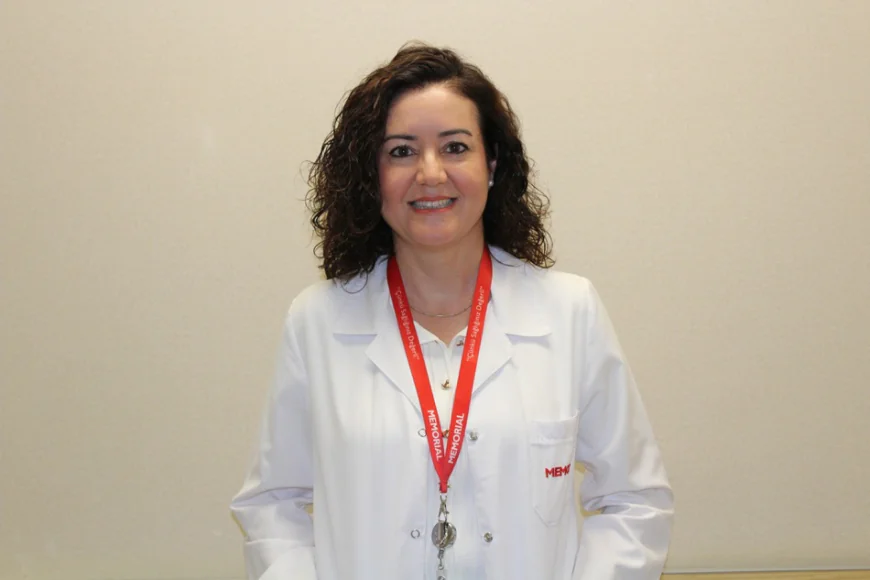
Often mistakenly associated by the public solely with physical facial features or general learning difficulties, Down syndrome is a complex condition that affects the entire body. Medical professionals strongly warn parents not to dismiss observed developmental delays simply by attributing them to the syndrome itself. Dr. Filiz Mihci from the Pediatric Neurology Department at Memorial Antalya Hospital shared crucial details about the lifelong neurological monitoring required for individuals with Down syndrome and the hidden risk factors that must be addressed.
The importance of early diagnosis and development
The brain development of children with Down syndrome follows a different trajectory compared to typically developing children. This difference usually manifests as muscle looseness (hypotonia), delays in motor development stages such as sitting and walking late, delayed onset of speech, and difficulties with attention and learning.
Assuming these symptoms are merely a natural process to be endured can negatively affect the child's future independence. Early evaluations by pediatric neurology specialists determine exactly which areas the child needs support in. Through physical therapy, speech therapy, and customized special education programs initiated upon expert advice, the cognitive, social, and motor potential of these children is visibly increased.
Crucial medical screenings required regularly
Down syndrome is not just a neurological difference; it is a systemic condition. It should not be forgotten that the development of many organs, such as the heart, thyroid, and digestive system, can be sensitive. Therefore, alongside neurological follow-ups, other organs must be regularly checked with a multidisciplinary approach. The basic medical screenings that should not be neglected in a child with Down syndrome include:


-
Heart checks for congenital anomalies
-
Thyroid tests that directly affect metabolism
-
Hearing and vision examinations to prevent losses that could lead to learning difficulties


-
Regular blood counts and Celiac disease screening
-
Orthopedic evaluation for the skeletal system
-
Neurological development tracking measuring cognitive and physical skills
A neurological risk not to be overlooked: Epilepsy
Dr. Filiz Mihci notes that the risk of certain neurological diseases in children with Down syndrome is higher than the societal average. One of the most critical of these risks is epilepsy. Special seizure types, such as infantile spasms known as "West syndrome" that can occur especially during infancy, can negatively affect the developing brain.
Families need to be particularly vigilant in the following situations:
-
Repetitive movements in the form of sudden startling in the baby
-
Unresponsiveness when called and inexplicable episodes of absent-mindedness
-
Regression in previously acquired skills, such as smiling or holding the head upright
If any of these symptoms are noticed, a pediatric neurologist should be consulted urgently. Early diagnosis and the correct medical treatment are critical thresholds to ensure the child's mental development is not interrupted.
The danger of looseness in neck vertebrae
The structurally looser connective tissue in individuals with Down syndrome creates certain risks in the musculoskeletal system. This situation can lead to noticeable looseness, especially between the neck vertebrae. Although rare, this excessive mobility in the neck vertebrae can reach levels that put mechanical pressure on the spinal cord.
Subsequent significant deteriorations in the child's walking, weakness felt in the arms or legs, sudden losses of balance, and unexpected changes in urinary control must be taken very seriously. Since these symptoms could directly indicate spinal cord compression, immediate neurological and orthopedic evaluation is of vital importance.
The destructive effect of sleep disorders on learning
Quality and uninterrupted sleep is one of the most fundamental requirements for healthy brain development and learning processes. However, due to differences in facial and airway anatomies, snoring and sleep apnea are very common in children with Down syndrome. A child whose breathing is interrupted throughout the night and cannot pass into deep sleep stages will inevitably develop severe attention problems, hyperactivity, chronic restlessness, and learning difficulties during the day.
Experts warn families that an undiagnosed sleep disorder may actually underlie many issues labeled as "behavior problems" or "reluctance" at school or home. Identifying the problem and applying treatments to ease breathing directly contribute to the child's cognitive development and life energy.
Regression in adolescence and Alzheimer's risk
Neurological follow-up should not be limited to infancy and childhood; it must become a lifelong routine. Sudden withdrawal, a marked decrease in speech, avoidance of communication, or slowing of movements can be observed in some teenagers with Down syndrome during adolescence. Although families often describe this as "adolescent depression," underlying different neurological and psychiatric conditions such as regression or clinical depression may be present.
Furthermore, due to their genetic makeup, individuals with Down syndrome have a higher risk of developing Alzheimer's disease in their later years compared to the general population. Therefore, a conscious, lifelong neurological follow-up program is indispensable both to preserve the individual's quality of life and to intervene in possible diseases at the earliest stage.
What's Your Reaction?
 Like
0
Like
0
 Dislike
0
Dislike
0
 Love
0
Love
0
 Funny
0
Funny
0
 Wow
0
Wow
0
 Sad
0
Sad
0
 Angry
0
Angry
0

Editor | Wise News Press — Delivering accurate, timely global news with integrity, insight, and editorial responsibility.



















Comments (0)