



Sleep hygiene and screen time threaten children's dental health
Increased digital screen time and irregular sleep routines are triggering bruxism in children, prompting experts to warn about severe dental health risks.


By Ahmet Taş | Wise News Press
ISTANBUL, TURKEY — Pediatric Dentist Nurgül DEMİR has warned that increasing digital screen time and irregular sleep routines are significantly lowering sleep quality, leading to a rapid rise in teeth grinding and cavities among children.
As modern lifestyle habits shift, the importance of
Digital gaming addiction triggers teeth grinding
In recent years, digital gaming habits and extended screen times, which make up a large part of children's daily lives, have been increasingly driving up the incidence of bruxism—commonly known as teeth grinding and clenching during sleep. Exposure to the blue light emitted from screens and the excitement generated by video games overstimulate the nervous system, making the transition to deep, restorative sleep much more difficult.
Evaluating the impact of this situation on sleep physiology, DEMİR noted that heightened stress and arousal levels cause involuntary contractions in the jaw muscles throughout the night.
"Long screen exposure lowers sleep quality while increasing stress and arousal levels, which can directly trigger teeth grinding," DEMİR stated.


Jaw joint pain and long-term consequences
The habit of teeth clenching, which often begins in childhood and is left untreated, is not merely a temporary sleep disturbance; it opens the door to permanent physical damage. The excessive force applied during sleep causes micro-cracks in the tooth enamel and severe wear over time. The weakening of the teeth's protective layer increases sensitivity to hot and cold, directly diminishing the child's quality of life and nutrition.
DEMİR warned families about the long-term effects of bruxism. Noting that teeth clenching and grinding are not limited to intraoral structures, she explained that this condition can lead to severe wear on teeth, pain in the jaw joint, restricted mouth opening, and chewing difficulties. In more advanced stages, complaints such as tinnitus can also be observed.
Reduced nighttime saliva flow increases cavity risk
As the body physiologically transitions into a resting state during the sleep cycle, the protective mechanisms within the mouth also weaken. Saliva, which cleans food residues during the day, maintains the acid balance in the mouth, and strengthens the tooth enamel by remineralizing it, drops to minimal levels during the night. This natural physiological process turns into a major hazard if proper oral care is not performed before sleep.


Highlighting the role of saliva in the intraoral defense system, DEMİR stated that saliva plays an important role in cleaning tooth surfaces and protecting oral tissues. However, the decreased saliva flow during nighttime sleep directly increases the risk of tooth decay. Food residues left on tooth surfaces are converted into acid by bacteria that multiply overnight, rapidly destroying the tooth enamel.
Impact of sleep apnea and mouth breathing
Dry mouth is not only a physiological sleep process but can also emerge as a result of certain systemic and metabolic disorders. Nasal congestion, which frequently develops in childhood due to reasons such as enlarged adenoids or allergic rhinitis, forces children to breathe through their mouths during sleep. This causes the already reduced saliva to evaporate rapidly, leaving the inside of the mouth completely dry.
DEMİR drew attention to the pathological effects of chronic dry mouth. She stated that dry mouth at night is much more common in children with sleep apnea and those who breathe through their mouths. This clinical picture poses a significant risk for both rapidly progressing tooth decay and early-onset gum diseases.
Establishing an ideal nighttime routine for oral health
According to experts, the most effective way to protect children from cavities and gum diseases is to establish a consistent and thorough pre-sleep hygiene routine. Sticky, carbohydrate-heavy foods such as biscuits, chocolates, and fruit juices consumed close to bedtime create an ideal feeding environment for acid-producing bacteria in the mouth throughout the night.
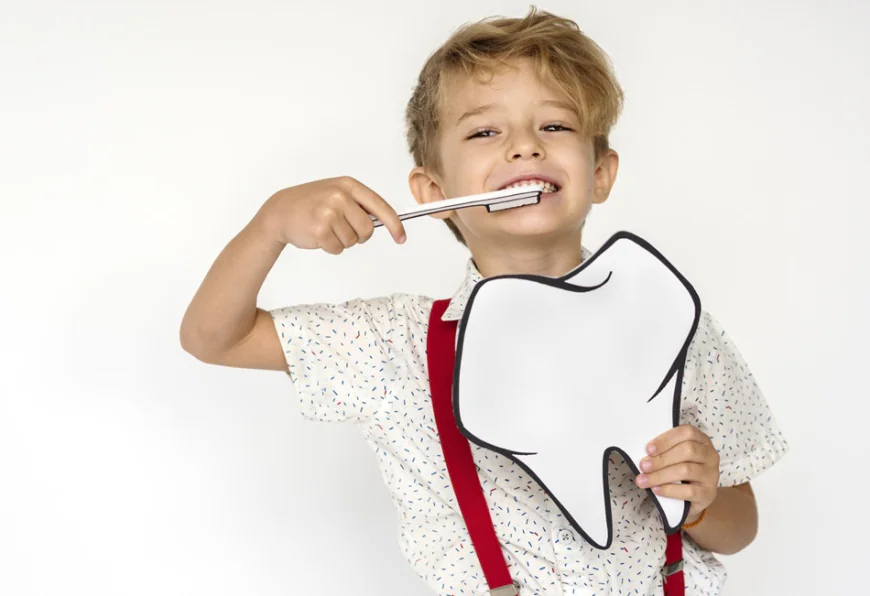
Reminding the indispensable rules of nighttime routines for a healthy oral and dental structure, DEMİR emphasized that teeth must be brushed with an age-appropriate fluoridated toothpaste before going to sleep. She warned that carbohydrate-containing foods should be strictly avoided, especially at night. Adequate water should be consumed during the day, and water should be the only beverage of choice if the child wakes up thirsty during the night.
Experts urge parents to prioritize sleep hygiene
Current approaches in modern medicine reveal that oral health cannot be considered independently of general body health. Global health authorities, such as the
Experts emphasize that the critical effects of sleep hygiene on both the general immune system and oral-dental health in children are becoming better understood every day. In this context, the biggest responsibility falls on parents: turning off all digital screens at least one hour before bed, making the room conducive to sleep, and instilling a complete tooth brushing routine as a lifestyle from a young age. These simple yet effective measures are the most valuable steps to prevent complex dental treatments that children might otherwise face in the future.
What's Your Reaction?
 Like
0
Like
0
 Dislike
0
Dislike
0
 Love
0
Love
0
 Funny
0
Funny
0
 Wow
0
Wow
0
 Sad
0
Sad
0
 Angry
0
Angry
0

Editor | Wise News Press — Delivering accurate, timely global news with integrity, insight, and editorial responsibility.






















Comments (0)