



Silent Danger in Epilepsy: 'Absent Stares' Could Be a Sign of Seizures
Assoc. Prof. Dr. Mustafa Aykut Kural warns that brief moments of "staring into space" are often overlooked symptoms of epilepsy, delaying diagnosis for millions.
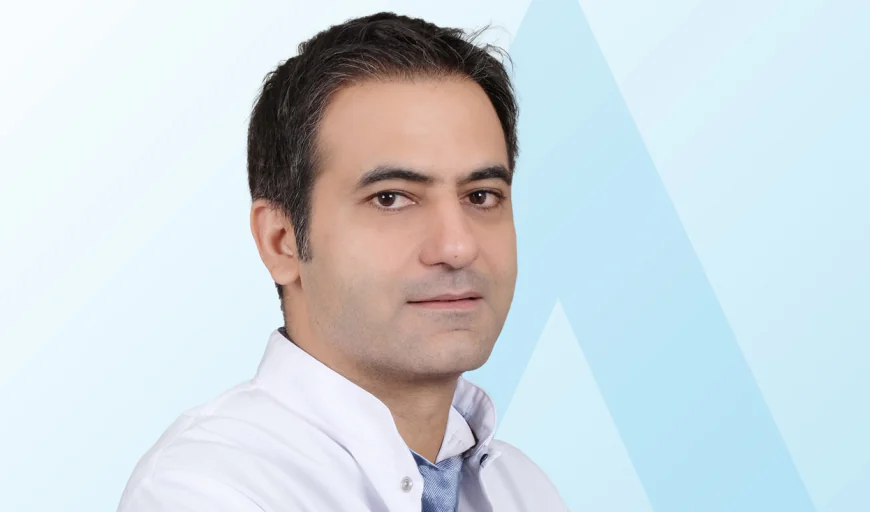


WISE NEWS PRESS / ISTANBUL, TURKEY — DEC 16, 2025
Epilepsy, a neurological disorder affecting approximately 65 million people worldwide and nearly one million in Turkey, is often misunderstood. While most people associate the condition with violent convulsions, experts warn that "absent stares" lasting only a few seconds can be a critical, yet frequently missed, symptom of a seizure.
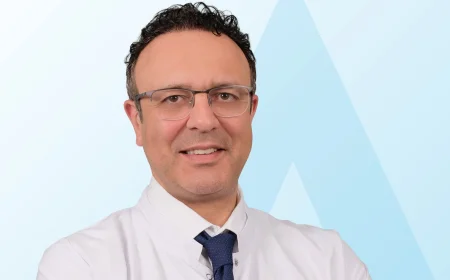
Assoc. Prof. Dr. Mustafa Aykut Kural, a Neurology Specialist at Acıbadem Altunizade Hospital, emphasizes that early diagnosis is vital for preventing permanent brain damage, yet these subtle signs often delay treatment.
The Hidden Symptoms: It's Not Just Convulsions
Contrary to popular belief, not every epileptic seizure involves foaming at the mouth or loss of consciousness.
"Short moments of freezing, dazed looks, or sudden jerks lasting only seconds are common in epilepsy but are often unnoticed," says Dr. Kural. "Missing these signs delays diagnosis and treatment."
Dr. Kural lists other overlooked symptoms, including sudden pauses in speech, perceiving bad smells, or intense feelings of déjà vu.


The Critical "5-Minute" Rule
While most seizures resolve within 1–2 minutes, Dr. Kural highlights a critical timeframe for emergency intervention.
"Every minute is critical in prolonged seizures," warns Dr. Kural. "If a seizure lasts longer than 5 minutes, the risk of permanent brain damage increases due to oxygen deprivation in the brain. Immediate medical intervention is essential in these cases."
AI Strengthening Diagnoses
Technology is playing an increasing role in managing the condition. While Electroencephalography (EEG) remains the primary diagnostic tool, Dr. Kural notes that Artificial Intelligence (AI) is transforming the field.


"AI-supported EEG analyses are strengthening diagnoses and allowing us to tailor treatments specifically to the patient," Dr. Kural explains.
With the right treatment, a seizure-free life is possible. "65-70% of epilepsy patients can lead a completely seizure-free life with the correct medication and continue their education and professional lives without issues," Dr. Kural concluded.
What's Your Reaction?
 Like
0
Like
0
 Dislike
0
Dislike
0
 Love
0
Love
0
 Funny
0
Funny
0
 Wow
0
Wow
0
 Sad
0
Sad
0
 Angry
0
Angry
0

Editor | Wise News Press — Delivering accurate, timely global news with integrity, insight, and editorial responsibility.

















Comments (0)