



Ukraine at war: Igor Yermolaev on Mykolaiv’s theaters and audiences
Igor Yermolaev discusses how Mykolaiv’s theaters support audiences, children and soldiers during Russia’s war, and the challenges facing cultural workers.


By Yusuf İnan | Wise News Press
MYKOLAIV, UKRAINE — Journalist, theater critic and photographer Igor Yermolaev says live performances in wartime Mykolaiv bring audiences together, support Ukraine’s defenders and offer children a measure of emotional safety.
The conversation follows Wise News Press’s earlier interview with Yermolaev, which explored his journalism, photography and memories of the city. Here, he discusses the people keeping Mykolaiv’s cultural life going during the war.
Yusuf İnan: Good afternoon, Igor Vadymovych! We have already told readers of UA Presa and Wise News Press about your work and Mykolaiv’s cultural life. Now we would like to continue that conversation: to show the people who, even during the war, create productions, take to the stage and come to the auditorium. We are particularly interested in your personal observations and specific stories.
Why people still go to the theater
Yusuf İnan: Igor Vadymovych, you have observed Mykolaiv’s cultural life for many years. What brings people to the theater and to concerts today despite the war?
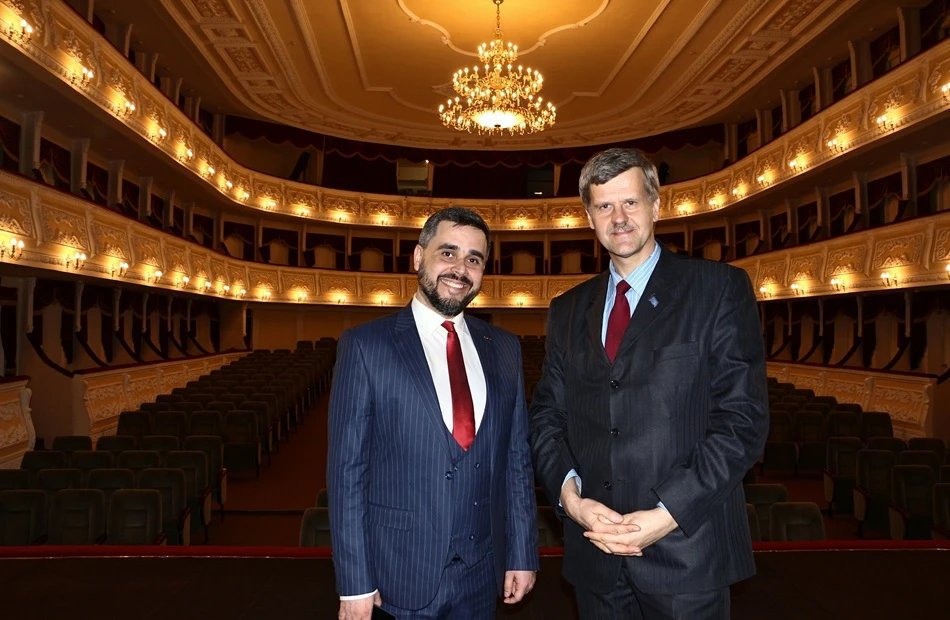
Igor Yermolaev: Yes, I have been reporting on this subject regularly for 23 years. People’s motivation was the same then as it is now, and it is understandable. Live performances engage the complexities of human psychology. What brings people to the theater and to concerts is a longing to feel connected. In an age of life lived through screens, live art is the one remaining way to share an emotional experience with hundreds of strangers in the same space. It is a rare opportunity to be among people who feel as you do. It is a desire to experience catharsis in a safe setting. Live theater and music give us something cinema cannot: they create a space that exists “here and now.” Audiences go there for an emotional release that we often have to suppress in everyday life. They also seek a moment that cannot be repeated. A recording on a disc or a film on a screen is always the same. At the theater or a concert, every performance comes into being before your eyes and will never happen in exactly the same way again… Theater and concerts are a kind of modern secular ritual in which we experience meanings and the surrealism of existence together, finding spiritual and aesthetic pleasure.
Yusuf İnan: Which play, concert or cultural event from recent months would you single out to tell an international reader about Mykolaiv today? What impressed you about it?
Igor Yermolaev: Perhaps I would choose two current productions by Mykolaiv’s leading theaters. The first is The Rise of Arturo Ui, a production by the Mykolaiv National Academic Ukrainian Theater of Drama and Musical Comedy. It was directed by Serhii Pavliuk, an Honored Arts Worker of Ukraine; the theater’s director and artistic director is Mykola Berson, a People’s Artist of Ukraine. The production drew vivid and compelling parallels between Chicago’s gangster world and the mechanisms through which dictatorship emerges — a painful and familiar subject today. The second is Because I Am Ukraine, a production by the Mykolaiv Academic Art Drama Theater. Its creators and producers are the theater’s director and artistic director, Artem Svystun, an Honored Arts Worker of Ukraine, and Liudmyla Ospadova, the deputy director and deputy artistic director for projects, grants and fundraising. The central character came to embody all the women who left their homes to escape the war, while the production affirms the belief that each of them will soon return home! I would also like to mention the now established and successful creative partnership between the Mykolaiv drama theater and the Kherson Regional Academic Music and Drama Theater named after Mykola Kulish. One example is the wonderful drama Kateryna, directed by Serhii Pavliuk, an Honored Arts Worker of Ukraine, which even won a Grand Prix at a prestigious international competition.
How war has changed the stage and the audience
Yusuf İnan: How has the war changed the relationship between the stage and the audience? Have you noticed that familiar plays, songs or even individual lines now provoke a completely different reaction? How do cultural initiatives help Ukraine’s defenders today?
Igor Yermolaev: During the full-scale war, the relationship between performers on stage and people in the audience in Ukraine has changed radically. Theaters and concert venues have ceased to be places of simple leisure or social outings. They have become social and spiritual institutions and spaces for survival. In the past, the so-called “fourth wall” — the invisible boundary between actors and audiences — created a certain distance. The war destroyed it. Actors and audiences live in the same circumstances: they hear the same sirens, experience the same blackouts, have loved ones at the front — and lose them — or are veterans themselves. Live sound and performance now offer an emotional respite from constant anxiety, helping people experience emotions blocked by the war: tears, pain, hope or anger.
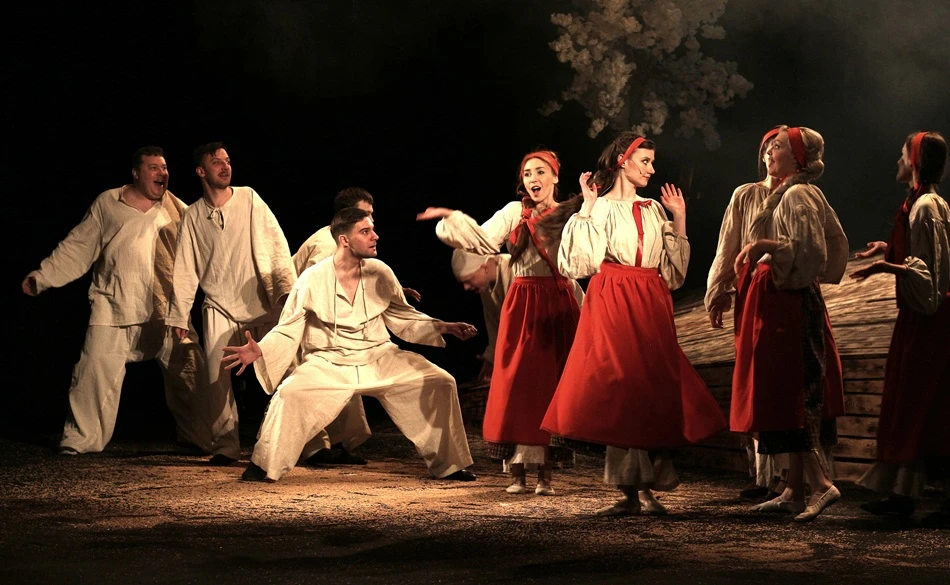
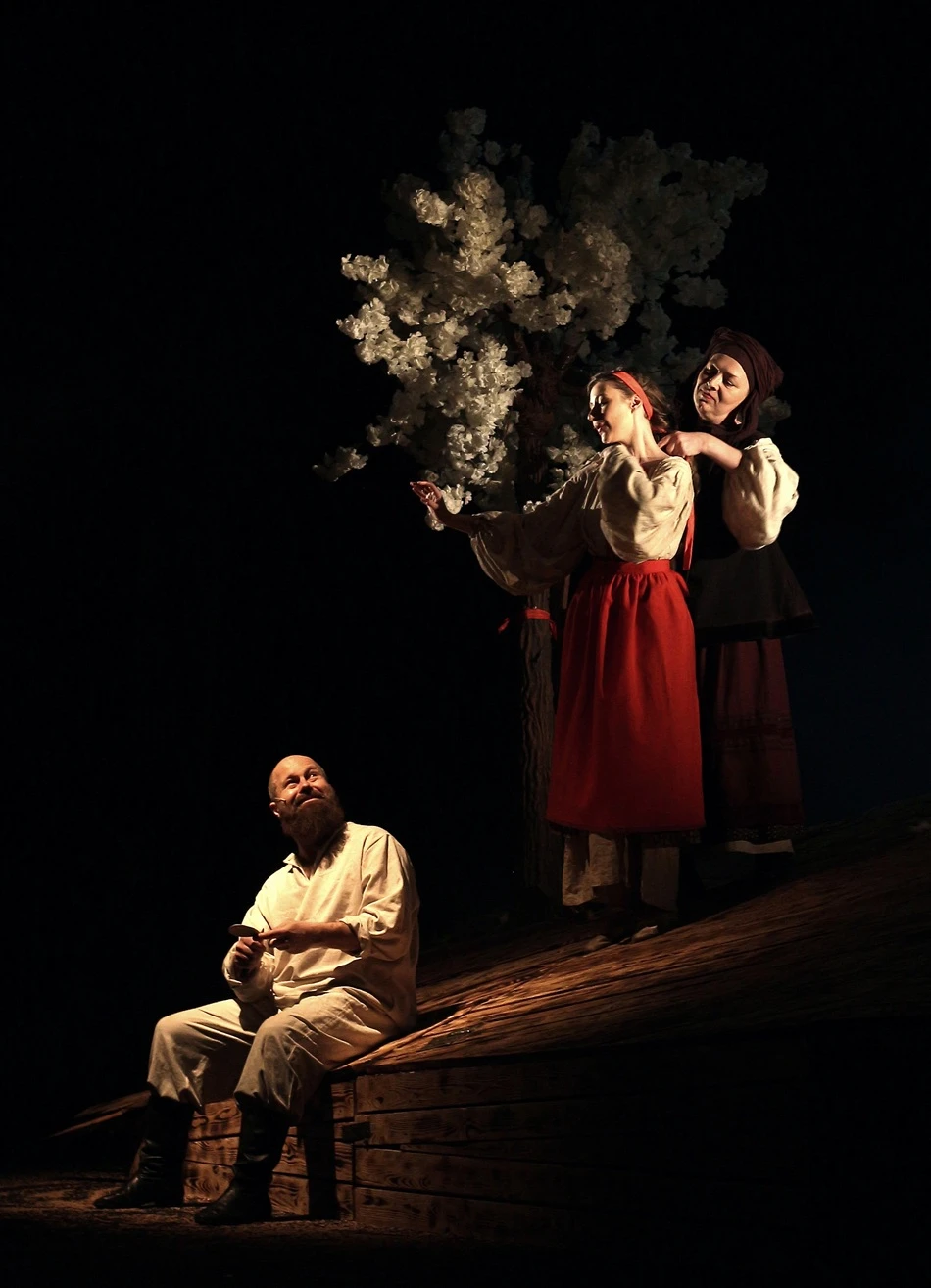
The relationship between the stage and the auditorium has also become practical and creative. Almost every event in Mykolaiv includes charity auctions or collections for drones or medical supplies for Ukrainian Armed Forces personnel. These efforts are targeted at specific military units, whose representatives are often there at the concert. The money does not go into some abstract “storehouses of the motherland,” as people used to joke, but toward the drones or pickup trucks that a particular unit actually needs. From what I have observed, bids at auctions reach 15,000 hryvnias! Audiences now come not simply to “consume art,” but to take part in real assistance to the Ukrainian army. The war has turned the Ukrainian stage from a “mirror of life” into a “shared shield,” where artists and audiences together sustain meaning, identity and humanity in the darkest circumstances. Theater repertoires now include documentary productions with real stories and monologues by service members, volunteers and displaced people, as well as reinterpretations of Ukrainian classics through the lens of the Ukrainian nation’s struggle for survival. A vivid example is Molochainyk («Молочайник»), a tragicomedy by the Kherson Regional Academic Music and Drama Theater named after Mykola Kulish. The stage director is Yevhen Reznychenko, and the theater’s general director and artistic director is Oleksandr Knyha, a People’s Artist of Ukraine. Sitting in the audience, I noticed that the appearance of actors playing the Russian invaders provoked more than an artistic rejection: it caused a sharp, tangible pain. The audience responded not as if it were watching a fictional theatrical story, but as if an open wound had been exposed. Righteous anger, deep hatred and the weight of a tragedy that had not yet been fully processed were mixed together. For many viewers, it seemed to be more than acting: it was a “mirror” of the tragedy still unfolding in Ukraine, one that allowed no indulgence. Molochainyk reminded Mykolaiv residents of the price of their relatively peaceful lives and showed what the people of occupied Kherson region had endured…
Touring artists and the work behind each performance
Yusuf İnan: Touring performances continue to appear on the program at the Yunost Concert Hall, including the Pavlo Virsky ensemble, the band TNMK and other wonderful stars. What does it mean to residents when artists come to the city during the war? How do these encounters affect their sense of connection with the rest of Ukraine?
Igor Yermolaev: Yunost Concert Hall has indeed successfully taken on the main share of touring performances in Mykolaiv. Much of the credit goes to its managers, Yuliia Zakharova and Yevhen Matveiev. All events are held in accordance with the rules and safety requirements of martial law. For many city residents, visits by stars and trips to Yunost have become real celebrations that they prepare for — sometimes six months in advance. One can only imagine how much effort it takes to maintain a normal touring program. When artists or a theater company travel hundreds of kilometers, overcoming risks and logistical difficulties to stage a play or give a concert, they send the city a clear message: “You are not cut off; you are an inseparable part of a united Ukraine.” Residents of regional cities lose the lingering sense that all active life is concentrated somewhere in the capital. Tours work like creative “arteries,” carrying shared meanings and emotions across the country. A Ukrainian star on stage often speaks about the same air alerts, blackouts, losses and hopes that the audience is living through. People realize that Kyiv, Odesa and Mykolaiv share an emotional space! Many audience members see the arrival of well-known artists as a sign of respect for their city’s resilience. When people in Uzhhorod, Poltava and Mykolaiv reflect on and experience the same production, they form a shared cultural language for their generation. A touring artist’s arrival gives people tangible confirmation that a large country stands behind their city, united by a common culture, shared pain and a desire to live.
Yusuf İnan: Audiences see the finished play or concert, but behind it are rehearsals and the work of many people. What is most difficult today for Mykolaiv’s actors, musicians and organizers, and what helps them continue?
Igor Yermolaev: Theater directors are best placed to answer that question, because both their workload and their problems have doubled during the war. But I have been covering theater and concert activity since 2003, so I am familiar with the situation. The main problems are funding, routine repairs, maintaining safety and arranging deferments for men of military age, with the resulting shortages of actors and other staff. Air alerts cause considerable disruption, since theaters and concert halls must strictly follow the rules designed to protect audiences. One can only marvel at how, under these conditions, these cultural institutions continue to work successfully and delight Mykolaiv residents and visitors to the hero city with new premieres again and again!
Is there room for joy during war?
Yusuf İnan: During a war, people can find it difficult to allow themselves to feel joy. Have you encountered the question, “Is it appropriate to laugh, listen to music or go to a comedy now?” How do the artists and audiences you speak with answer it?
Igor Yermolaev: Yes, there are people online — or perhaps they are “bots” — who write about an inappropriate “feast during a plague” or an “escape from reality.” I disagree with them. I think plays and concerts during the war are not merely appropriate; they are essential. They are a kind of “mental armor” for people who are suffering. The Russian invaders seek to destroy the familiar way of life and plunge society into constant chaos. Going to a theater or concert is therefore a way of regaining some control over one’s life. It allows a person to spend at least two hours in a space governed by creation rather than destruction. Let it be at least a temporary pause from an endless stream of distressing news and air alerts! Tragedy and fear are also much easier to bear together. At a concert or play, people feel one another’s support. That strengthens social bonds and gives people the sense that “I am not alone; we are together.” Of course, this is not about thoughtless merrymaking. Today’s repertoire consists largely of carefully considered productions that give people the energy and optimism to endure and win! Culture during wartime is also a form of resistance! Artists, of course, also feel the full burden of war deeply, but they carry it “behind the scenes.” On stage, they always pull themselves together professionally. The characters they portray are often genuine heroes of the Ukrainian people, figures to look up to.
Children and access to cultural life
Yusuf İnan: Igor Vadymovych, what do you notice at children’s plays and concerts? Is there a story about a child or family that showed you especially clearly what place art has in children’s lives during the war?
Igor Yermolaev: Mykolaiv’s theaters still continue to produce plays for children. Yes, I see more sad, serious eyes among the children in the audience and hear less laughter. Children understand everything — and if they do not understand it, they sense how their parents feel… But a beautiful auditorium, bright sets and costumes, and kind fairy-tale productions give a child a strong sense of normality, stability and emotional protection. A theatrical performance demands complete immersion, giving a child’s mind a much-needed break from the sound of sirens and their parents’ anxiety. For children, then, going to the theater during the war is not just entertainment. It is an effective form of art therapy and emotional relief. Theaters, creative clubs and any kind of art therapy are important in helping heal the emotional wounds of the younger generation.
Yusuf İnan: How accessible is cultural life today for those facing particular difficulties: displaced people, military families and older people?
Igor Yermolaev: It is indeed difficult for vulnerable groups to buy tickets to theaters or concerts now. In fairness, I should note that all Mykolaiv theaters and concert halls have a system of discounts and sell “social tickets.” This is not merely a social “bonus”; it is a strategic way to support society! Theaters and musical groups give free performances directly in shelters for internally displaced people, rehabilitation centers and children’s hospitals. For combat veterans, discounted tickets are not so much a financial saving as a symbolic sign of society’s respect and gratitude.
What initiatives help all these people get into the auditorium? Here is a clear example: since September 12, 2026, a new experimental theater space called VilnoStsena has operated in the Mykolaiv Academic Art Drama Theater building. It was created as part of the project “VilnoStsena: Ukrainian Heritage at a New Tempo.” The project was created with the support of Save the Children in Ukraine, the Southern Development Strategy NGO and Denmark’s Ministry of Foreign Affairs. During this period, the new space has hosted a range of free activities: events for service members and their families; events for children; meetings with language specialists to improve Ukrainian speech; exhibitions by Mykolaiv artists; activities with civil society organizations and volunteers; performative readings of contemporary Ukrainian plays; educational events; and celebrations for different groups in society. As a result, the new space has drawn service members and their families, children and students, NGOs and volunteers, Mykolaiv’s cultural community, educators and the media.
The support Mykolaiv’s culture needs
Yusuf İnan: International audiences more often see Mykolaiv in news about attacks and destruction. What would you like to tell them about the people preserving the city’s cultural life, and what support would help those people continue their work?
Igor Yermolaev: I have already spoken about the efforts of theater companies and their directors. Unfortunately, culture has always been funded “on what is left over”… The city budget does not have enough money even for employees’ salaries. Many people in creative groups work without pay, on a “voluntary” basis, so to speak, driven solely by enthusiasm and a love of art. That includes me, a theater photographer — someone who interprets a production created by others through a camera and my own artistic vision. Everyone is very grateful for the Danish government’s continuing support. And this is support in practice, not just in words! I would like the Ukrainian government to allocate more money to culture as well. Its importance during the war is not decreasing; on the contrary, it is growing!
Yusuf İnan
WiseNewsPress.com
What's Your Reaction?
 Like
0
 Dislike
0
 Love
0
 Funny
0
 Wow
0
 Sad
0
 Angry
0
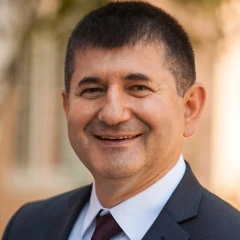
Yusuf İnan is a journalist, columnist, strategic analyst and head of the Wise News Press Media Group. His work focuses on international affairs, geopolitics, security and major social issues. Through his journalism, he promotes peace, dialogue, mutual understanding and responsible reporting while contributing to the development of international media projects.










Comments (0)