



Refat Chubarov: From family exile to leading the Crimean Tatar Mejlis
Refat Chubarov’s life spans family exile, return to Crimea, leadership of the Mejlis and the Crimean Tatars’ fight for rights since 2014.


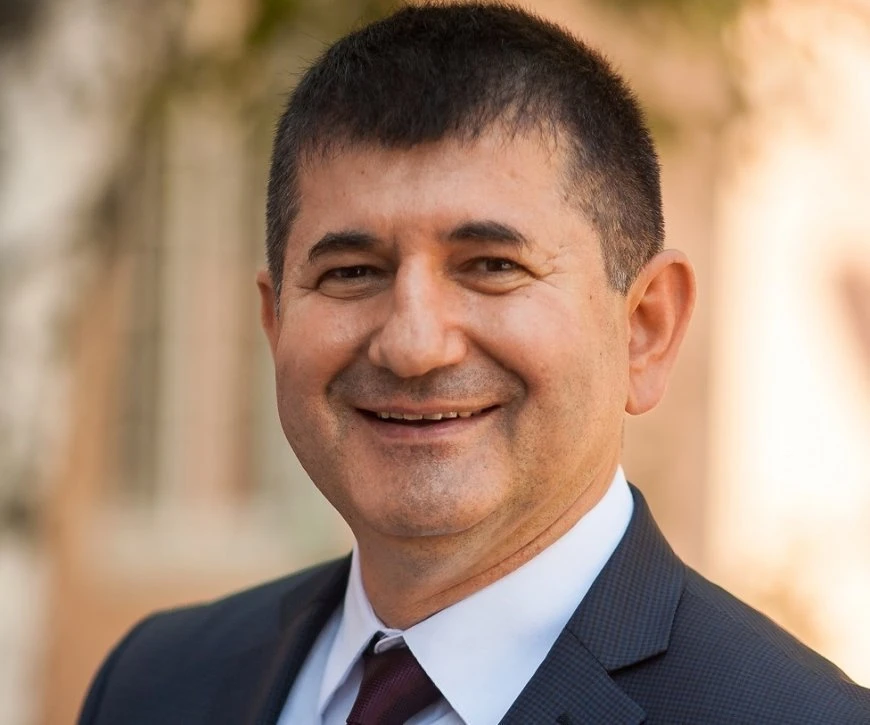
By Yusuf İnan | Wise News Press
Journalist and author | Political and strategic analyst
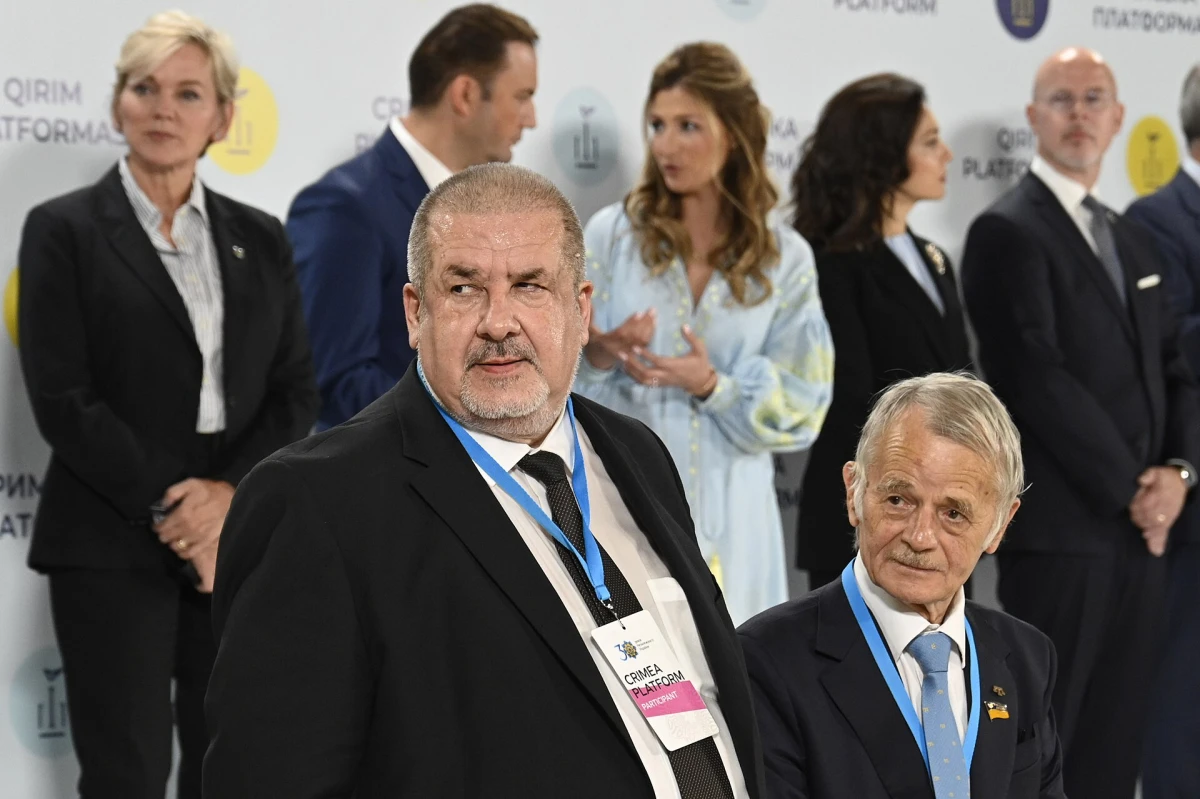
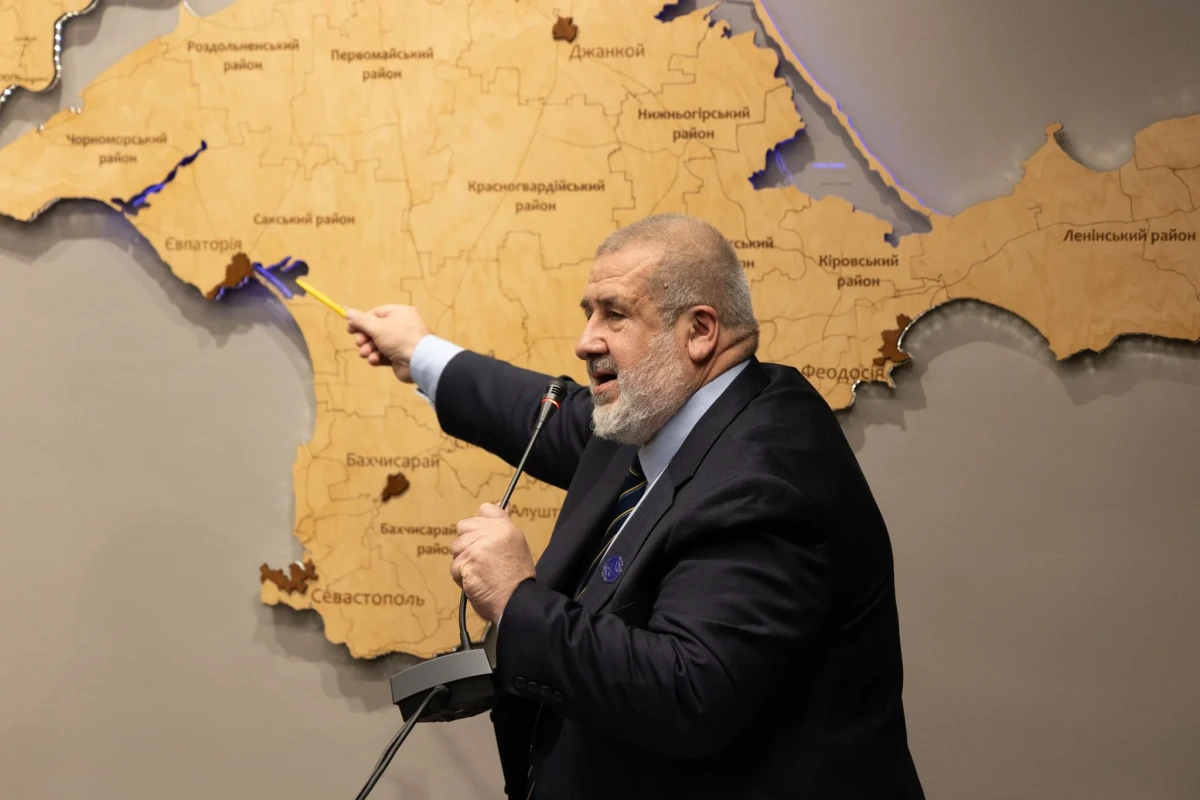
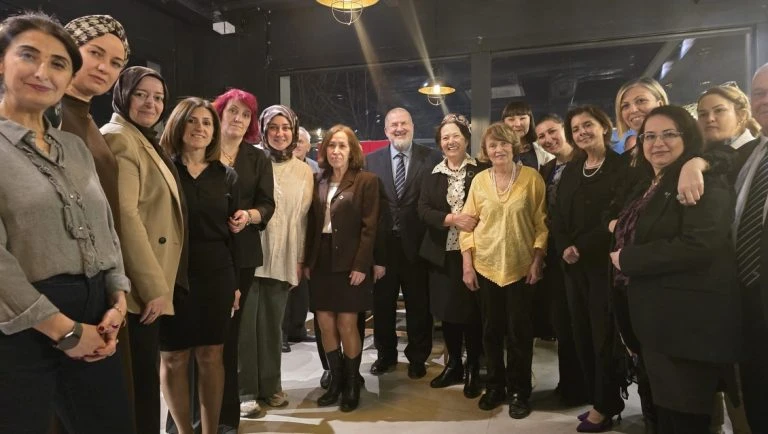
ANKARA, TÜRKİYE — The life of Crimean Tatar Mejlis Chairman Refat Chubarov traces a path from his family’s 1944 deportation to a struggle for the right to return to Crimea after 2014.
His biography reaches beyond the offices he has held. A childhood shaped by exile, his family’s return to the peninsula, his work in the Crimean Tatar national movement, the re-establishment of the Kurultai and his defence of his people’s rights in international institutions form a connected story. Understanding Chubarov’s role requires looking at his personal history alongside the modern history of the Crimean Tatars.
A Crimean story that began in Samarkand
Refat Chubarov was born on September 22, 1957, in Samarkand, Uzbekistan. His family had been sent there after the Soviet authorities’ mass deportation of Crimean Tatars from the peninsula on May 18, 1944. Recalling his family’s experience in an interview, Chubarov said his father, Abdurahman, was 13 when he was deported and his mother was 11. For their son, who had never seen Crimea, the homeland first existed in his parents’ accounts of it.
The family returned to Crimea in 1968, when Chubarov was 11. Their arrival did not erase the consequences of deportation. According to Chubarov’s account, Soviet authorities allowed only a limited number of families to return at that time and prevented them from settling in the places where they had lived before their removal. Reaching the peninsula and being able to live freely there remained separate challenges.
That childhood experience helps explain his later political work. Deportation was more than an event in the previous generation’s history: its effects continued through questions of home, settlement, language and representation. Chubarov’s efforts to secure the right to return have therefore developed alongside demands for cultural and political rights. The connection between his family history and those priorities is a reading of his life and work.
The Riga years and the national movement
Chubarov trained as a historian and archivist. According to the biography published by the Mejlis of the Crimean Tatar People, he held several positions at a state archive in Riga from 1983 onward. He served on the Riga City Council from 1989 to 1991. During the same period, he joined the leadership of the Organisation of the Crimean Tatar National Movement and served on a Soviet government commission dealing with the problems facing Crimean Tatars.
Archival work and political activity ran side by side in those years. Chubarov worked with state records and historical documents while helping bring a deported people’s demands for return and representation before public institutions. His experience in Riga during the Soviet Union’s final years became part of the political and organisational work he would later undertake in Crimea.
A consistent feature of that work has been attention to institutions. Public statements mattered, but so did elected representative bodies, written decisions, negotiations with authorities and legal procedures. The aim was to give demands for rights an organised form that could endure beyond the visibility of any one leader.
The 1991 Kurultai and the rebuilding of representation
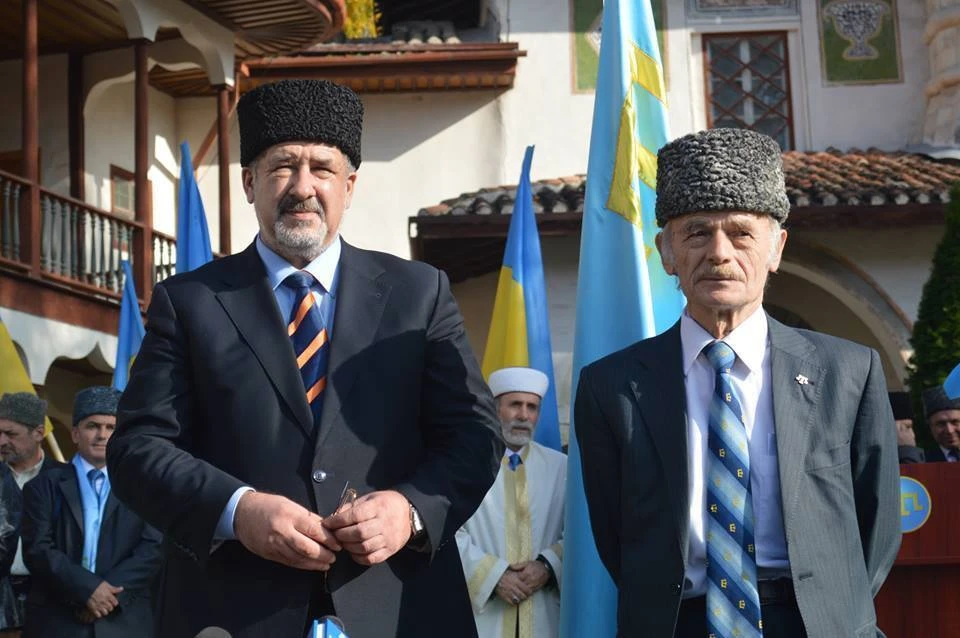
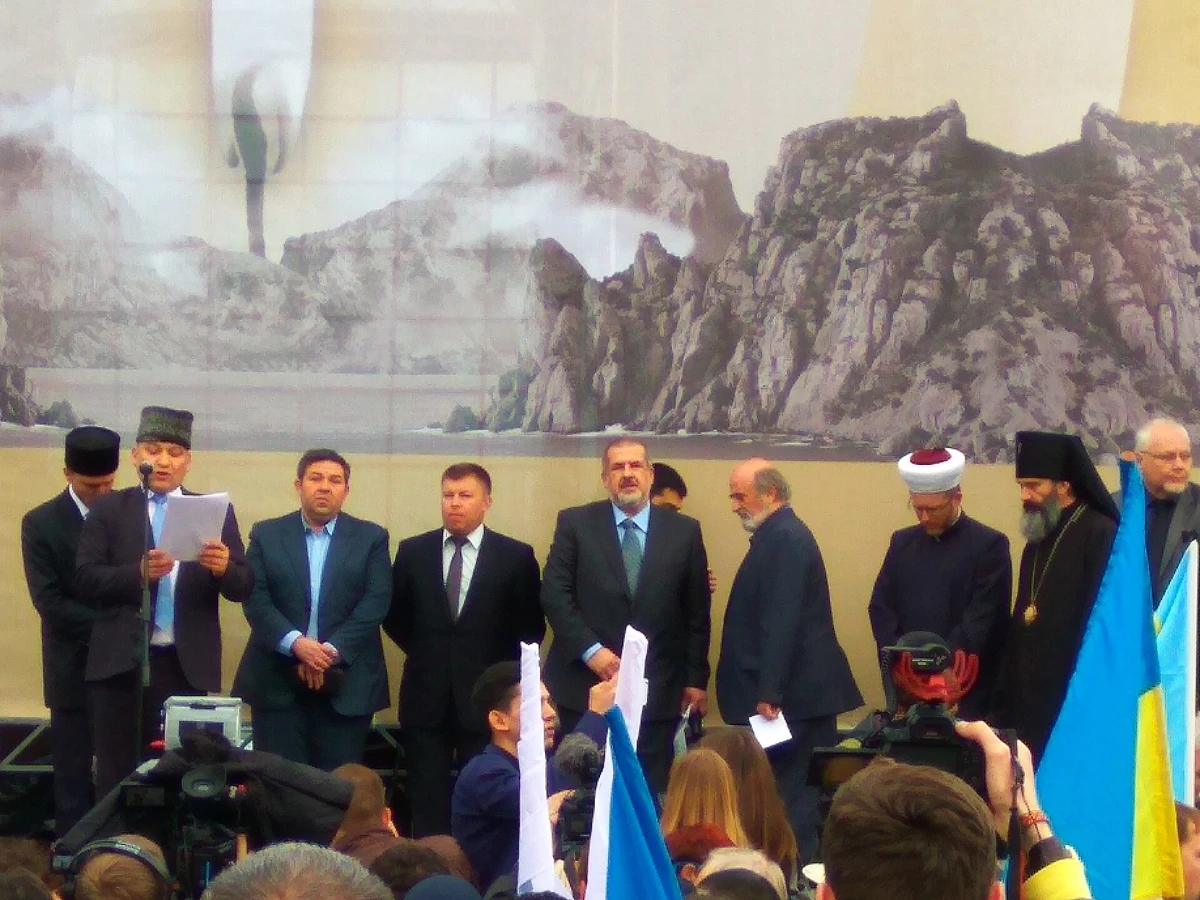
Shortly before the Soviet Union’s collapse, the Second Kurultai of the Crimean Tatar People convened in Simferopol from June 26 to 30, 1991. According to the Mejlis’s historical account, its delegates elected a 33-member Mejlis. Mustafa Dzhemilev became chairman and Refat Chubarov his deputy. Chubarov held the deputy chairmanship until 2013.
The Kurultai is the national congress of Crimean Tatar representatives. The Mejlis is the representative body it elects to work between congress sessions and carry out its decisions. That distinction is central to Chubarov’s story: his leadership developed through decades of responsibilities within a representative institution, alongside his own public role.
The Mejlis says local bodies of Crimean Tatar self-government were also established across the peninsula in 1991 and 1992. They were intended to address the practical questions facing returnees, including settlement, community life, culture and dealings with local authorities. The national movement was building a structure that could work both across Crimea and in individual communities.
Chubarov subsequently served in the parliament of the Autonomous Republic of Crimea and, during several terms, in Ukraine’s national parliament. He became president of the World Congress of Crimean Tatars in May 2009. On November 1, 2013, he succeeded Dzhemilev as chairman of the Mejlis. Together, those roles connected local representation, Ukrainian politics and the Crimean Tatar diaspora in his work.
2014: Opposition to the annexation and a ban on returning home
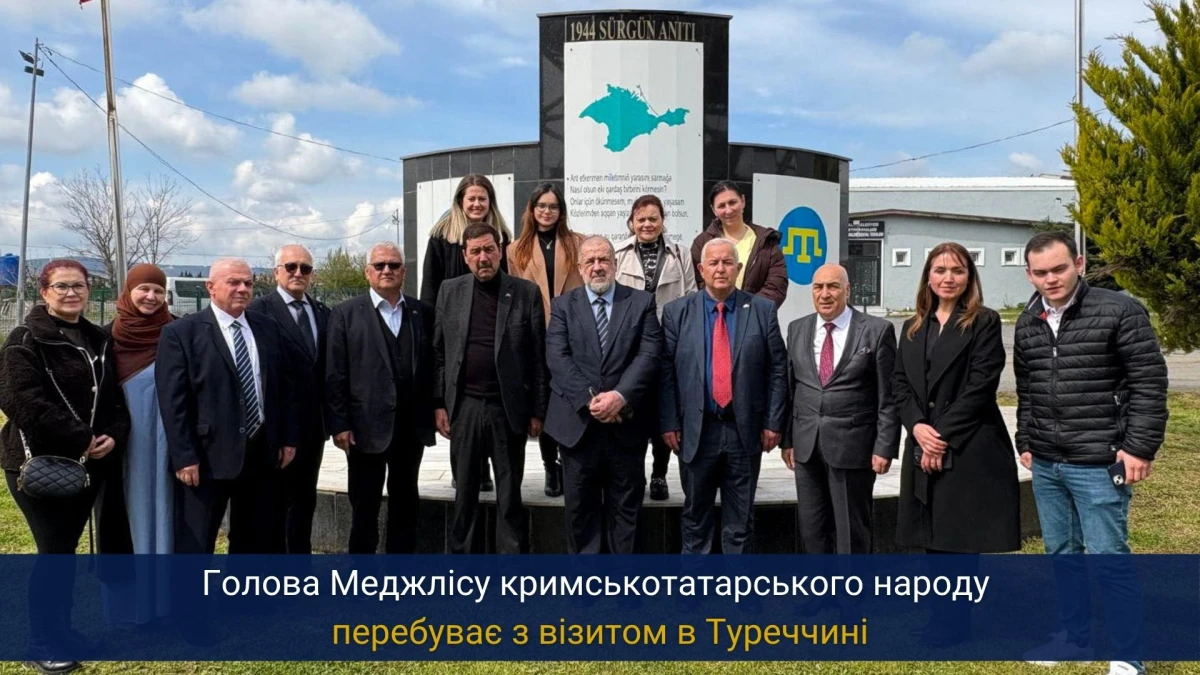
Crimea’s situation changed profoundly within months of Chubarov becoming Mejlis chairman. After Russia established control over the peninsula and moved to annex it in 2014, the Mejlis affirmed Ukraine’s sovereignty within its existing borders. An appeal signed by Chubarov and reported by Ukraine’s parliament on March 18 rejected the legitimacy of the vote held in Crimea on March 16.
The appeal also opposed attempts to determine Crimea’s future without the freely expressed will of the Crimean Tatar people. It framed their right to self-determination on their historical homeland within a sovereign Ukraine. The statement asserted that Crimean Tatars must be participants in decisions concerning the peninsula.
The position soon had a direct consequence for Chubarov. Russian authorities denied him entry to Crimea on July 5, 2014. In the materials of an individual case communicated by the European Court of Human Rights in 2026, the ban is described as a decision by Russia’s Federal Security Service made on national-security grounds. Having been born in exile and returned as a child, Chubarov was once again unable to enter the peninsula, this time as chairman of its representative body.
On April 26, 2016, a Russian-controlled court in Crimea banned the Mejlis’s activities. Russia’s Supreme Court later upheld the ban. On June 1, 2021, a Russian-controlled court sentenced Chubarov in absentia to six years in prison. The European Union said it did not recognise Russia’s annexation of Crimea or the sentence. Separate court decisions had targeted both the institution and its chairman.
What the international courts decided
The Mejlis ban also came before the International Court of Justice. In an order on provisional measures dated April 19, 2017, the Court instructed Russia to refrain from limiting Crimean Tatars’ ability to maintain their representative institutions, including the Mejlis. In its final judgment of January 31, 2024, the Court found that Russia had violated that provisional-measures order by maintaining the ban.
The scope of the judgment matters. The Court did not conclude that the Mejlis ban, by itself, established the substantive violation alleged under the treaty on racial discrimination before it. The finding that Russia failed to comply with the 2017 order and the Court’s assessment of the treaty claim are distinct conclusions. Presenting either as a ruling on every issue in the case would obscure what the judges decided.
The European Court of Human Rights reached a separate judgment in the interstate case Ukraine v. Russia (re Crimea) on June 25, 2024, finding multiple human-rights violations on the peninsula. A group of individual applications that includes Chubarov’s complaint about his entry ban was communicated to Russia in September 2026. Communication of that individual case is a procedural step, not a final judgment on his application. Keeping the proceedings separate makes both the established findings and the unresolved claims clearer.
Legal recognition, language and memory
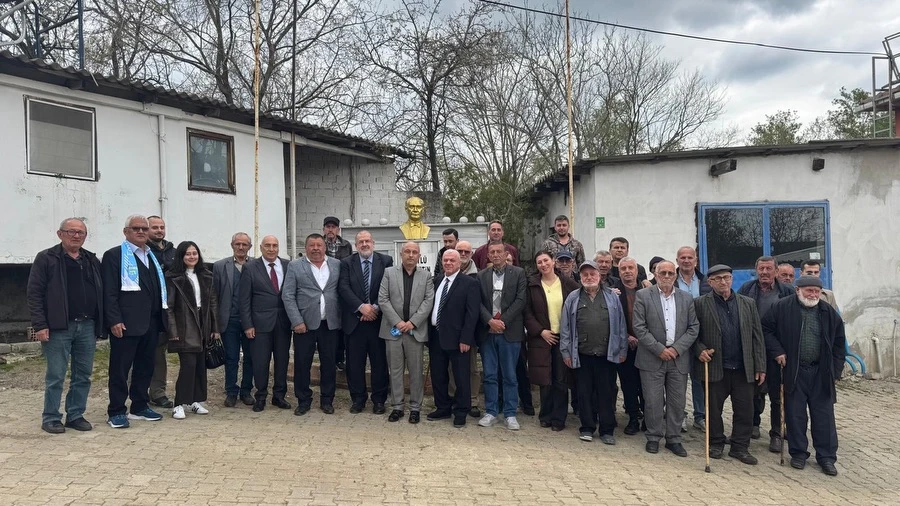
Ukraine’s parliament adopted its law on Indigenous peoples on July 1, 2021. In April 2026, a decree by President Volodymyr Zelenskyy was followed by a government decision granting the Mejlis the legal status of a representative body of the Crimean Tatar people. An institution that had carried out representative work since 1991 thus gained explicit recognition in Ukrainian law.
The decision did not end the ban imposed on the Mejlis in occupied Crimea. It did, however, strengthen the institution’s position in processes concerning state programmes and Indigenous rights. For Chubarov, who had spent decades working within the Mejlis, the formal status marked a concrete development in the effort to secure lasting representation.
Language and historical memory remain part of that work. At a meeting chaired by Chubarov in July 2026, the Mejlis and education specialists discussed a state strategy for preserving endangered languages and measures concerning Crimean Tatar. In October, a virtual Museum of Crimean Resistance was presented in Kyiv to preserve the stories of people who had opposed the occupation and faced political persecution.
Commenting on the museum, Chubarov emphasised the need to show those people as individuals with their own life stories, rather than only through the fact of their imprisonment. Children’s ability to learn their language, families’ ability to preserve historical records and the continued work of representative institutions all relate to a wider question: what kind of life Crimean Tatars will be able to build when the occupation ends.
What this struggle means for the Turkic world
In Türkiye and elsewhere in the Turkic world, discussions of Crimea often centre on borders and security. Chubarov’s biography brings people and institutions into that discussion: a family deported from its homeland, a re-established Kurultai, a banned Mejlis and a chairman prevented from returning home.
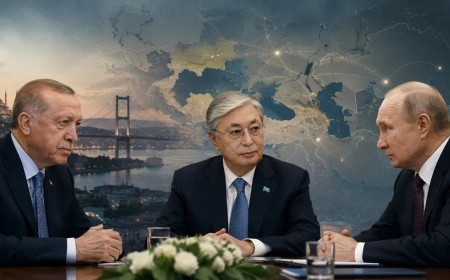
At the Organization of Turkic States summit in Ankara on October 30, 2026, Kazakhstan’s President Kassym-Jomart Tokayev proposed inviting Russia to participate through the “OTS Plus” format or as an observer. He did not propose full membership. His suggestion raises a question about how Crimean Tatar voices would be heard in regional discussions. Chubarov’s own view of the proposal cannot be stated on his behalf without asking him.
The central question running through Chubarov’s work remains open: what institutional guarantees will allow Crimean Tatars to take part in decisions about their land, language and future? His path from Samarkand to Crimea, and from Riga to Kyiv, tells the story of an effort to answer that question through enduring representative institutions, above all the Kurultai and the Mejlis.
Yusuf İnan
WiseNewsPress.com
What's Your Reaction?
 Like
0
 Dislike
0
 Love
0
 Funny
0
 Wow
0
 Sad
0
 Angry
0
Yusuf İnan is a journalist, columnist, strategic analyst and head of the Wise News Press Media Group. His work focuses on international affairs, geopolitics, security and major social issues. Through his journalism, he promotes peace, dialogue, mutual understanding and responsible reporting while contributing to the development of international media projects.













Comments (0)