



Around 400 rally in Kyiv demanding Mayor Vitali Klitschko’s resignation
Around 400 people rallied outside Kyiv City Hall, demanding Klitschko resign over winter readiness, shelters, development and corruption claims.


By Ahmet Taş | Wise News Press
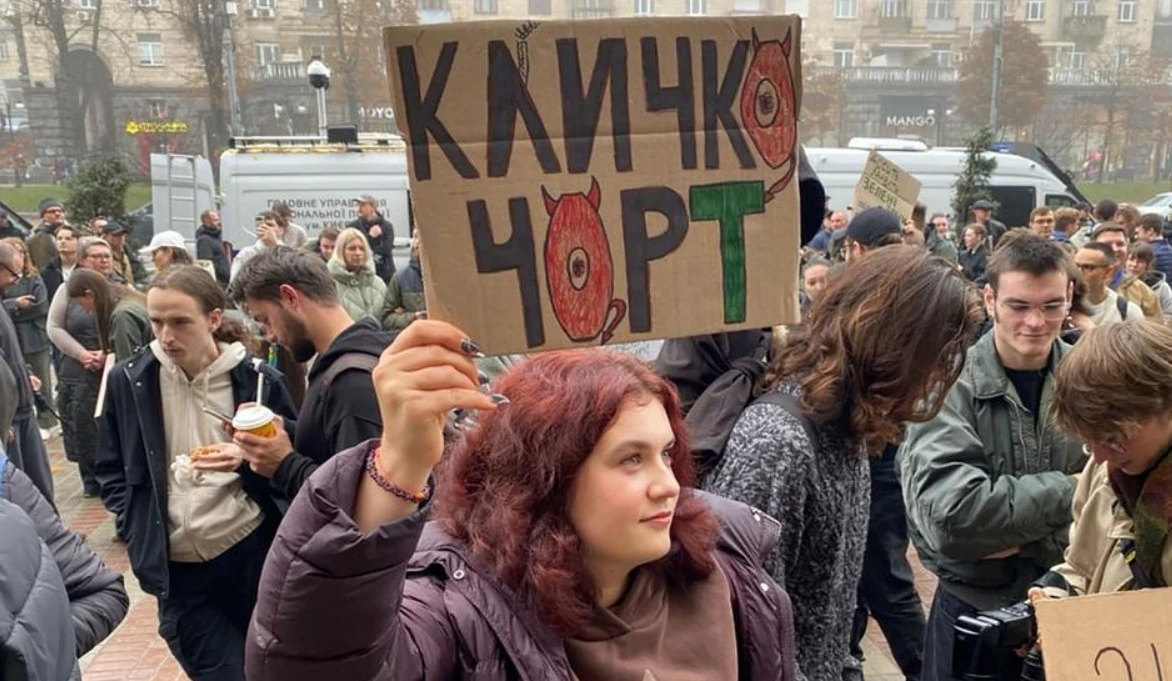
KYIV, UKRAINE — Around 400 people gathered outside Kyiv City Hall on Saturday, calling for Mayor Vitali Klitschko to resign over the capital’s winter preparedness, shelter provision, urban development and alleged corruption.
The demonstrators also demanded an investigation into alleged corruption within the Kyiv City State Administration, known as KMDA, an end to construction in green spaces and the development of more accessible public shelters. A smaller group of Klitschko supporters also attended the gathering.
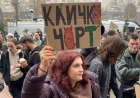
Around 400 people gather outside Kyiv City Hall
The demonstration was held outside the Kyiv City State Administration building on October 17. A DW correspondent at the scene estimated that approximately 400 people took part.
Participants chanted “Resign” and displayed signs calling for Klitschko to step down. Other placards questioned the availability of shelters and criticized the city administration’s performance during the continuing war.
The demonstration came as concerns grow about Kyiv’s ability to maintain heating, electricity, water, transportation and emergency services during the winter. Russia has repeatedly targeted Ukraine’s energy infrastructure, increasing pressure on national and local authorities to prepare for potential long-term disruptions.


Protesters said the city administration should present clear plans explaining how essential services would continue during power cuts, heating failures or renewed attacks on critical infrastructure.
Protesters outline four principal demands
Kyiv’s preparedness for winter was one of the demonstration’s central issues. Participants called for stronger contingency planning and greater transparency regarding the city’s capacity to respond to extended electricity and heating outages.
The construction and maintenance of public shelters formed another major demand. Protesters argued that shelters across the capital should be inspected regularly and made accessible to residents during air raid alerts.


Participants also called for an end to development projects affecting parks and other green areas. They said public spaces should be protected and that urban planning decisions should place the interests of Kyiv residents above commercial development.
Another demand concerned allegations of corruption within the Kyiv City State Administration. These accusations were presented by the demonstrators as claims requiring investigation and should not be treated as established legal findings.
The protesters’ demands brought together several long-running debates over local government accountability, urban development and the protection of civilians under wartime conditions.
Klitschko supporters also attend the gathering
The crowd outside KMDA did not consist solely of the mayor’s opponents. A number of people supporting Vitali Klitschko were also present and displayed signs reading “Hands off Klitschko” and “Klitschko is our mayor.”
The presence of opposing groups showed that the dispute extends beyond the delivery of municipal services. It also reflects wider political tensions over responsibility for protecting and managing Ukraine’s capital during the war.
Klitschko’s supporters argue that the city administration has continued operating under extremely difficult conditions and that criticism of the mayor risks becoming part of a political confrontation with the central government.
His opponents maintain that their demands concern practical issues affecting residents, including heating, electricity, shelters, city planning and transparency in municipal administration.
Reports from the gathering did not indicate that a serious confrontation had occurred between the opposing groups. The demonstration remained focused on demands concerning Klitschko’s leadership and Kyiv’s preparedness for winter.
UDAR warned residents about security risks
Before the demonstration, the Kyiv City Council faction of Klitschko’s UDAR party urged residents not to attend the gathering, citing the danger of assembling a large crowd in an open area during the war.
The faction warned that Russia continued to target Kyiv with drones and missiles and argued that a mass outdoor event could expose participants to additional risks in the event of an air raid.
UDAR representatives also claimed that the protest could be used for political purposes and said attempts to destabilize the administration of the capital could benefit Russia.
Organizers and participants, however, argued that the issues raised at the rally were urgent and directly connected to public safety. Despite the warning, the protest went ahead outside the KMDA building as planned.
The reported attendance figure was an estimate based on a journalist’s observation at the scene rather than an official count issued by police or municipal authorities.
Zelensky criticizes Kyiv’s winter preparations
The protest followed criticism of the Kyiv administration by Ukrainian President Volodymyr Zelensky.
On October 13, Zelensky said Kyiv had the lowest level of implementation of a national “resilience plan” among Ukraine’s regions, including regions located near the border or the front line.
The president pointed to the protection of energy facilities and critical infrastructure, cooperation with the government and the military, and the city administration’s understanding of residents’ needs.
Zelensky also said decisions were being prepared concerning management practices in Kyiv. His remarks renewed the long-running political dispute between the central government and the capital’s municipal administration.
The level of Kyiv’s preparedness has consequences extending beyond the political debate. The issue directly affects millions of residents who may need access to heating, electricity, water, transportation and shelters during Russian attacks.
Repeated strikes on energy infrastructure have made emergency power supplies, municipal coordination and the protection of essential facilities central elements of the capital’s winter planning.
Klitschko rejects accusations against his administration
Klitschko rejected Zelensky’s criticism during an address to Ukraine’s parliament the following day.
The mayor said the municipal administration was working to maintain essential services despite wartime conditions. He portrayed the central government’s criticism as politically motivated and argued that national authorities also bore responsibility for protecting Kyiv against Russian attacks.
Klitschko’s response highlighted the different assessments presented by the presidency and the city administration. While the central government has criticized the capital’s level of preparedness, municipal officials say Kyiv continues to operate under sustained military and financial pressure.
Supporters of the mayor argue that the performance of local authorities should not be turned into a political contest during the war. Protesters, by contrast, say questions about shelters, winter preparations, development and transparency require public accountability regardless of political tensions.
No official process to remove Klitschko from office was announced following the protest. The rally nevertheless demonstrated that the debate over the management of Kyiv and the capital’s readiness for further Russian attacks is likely to continue.
WiseNewsPress.com
What's Your Reaction?
 Like
0
Like
0
 Dislike
0
Dislike
0
 Love
0
Love
0
 Funny
0
Funny
0
 Wow
0
Wow
0
 Sad
0
Sad
0
 Angry
0
Angry
0

Ahmet Taş is a journalist, editor and Turkey Office Manager of the Wise News Press Media Group. He works across news, digital media and international publishing, focusing on accurate, responsible and accessible journalism. He contributes to the development of media projects that bring important political, social and global developments to a wider international audience.














Comments (0)