



Stages stay open amid war in Ukraine: Virsky Dance Ensemble in Mykolaiv
The Virsky Dance Ensemble brought its Legendary Show to Mykolaiv’s Yunost Concert Hall, where audiences gave the Ukrainian dancers a standing ovation.


By Yusuf İnan | Wise News Press
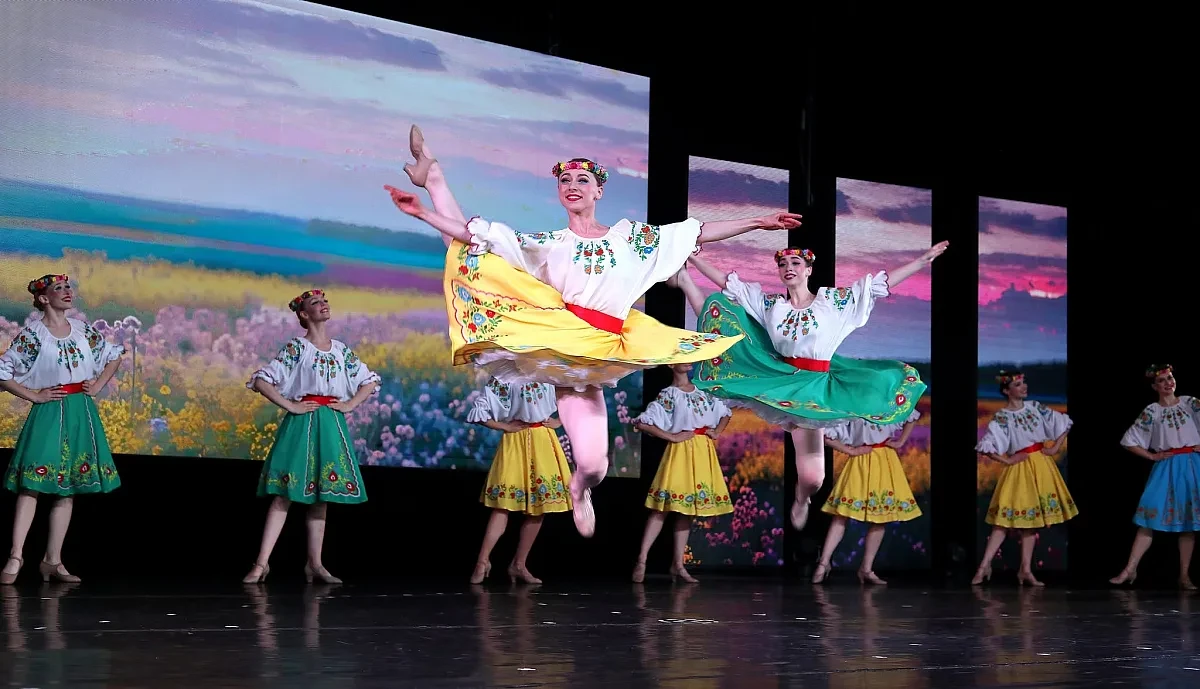
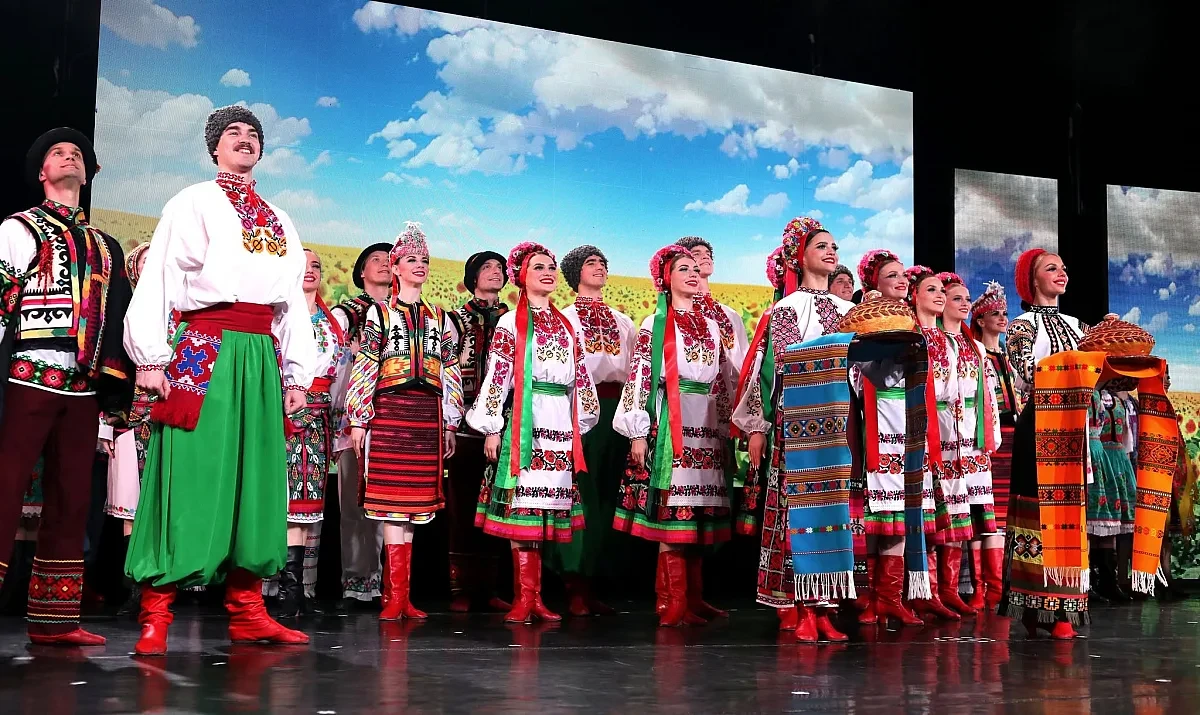
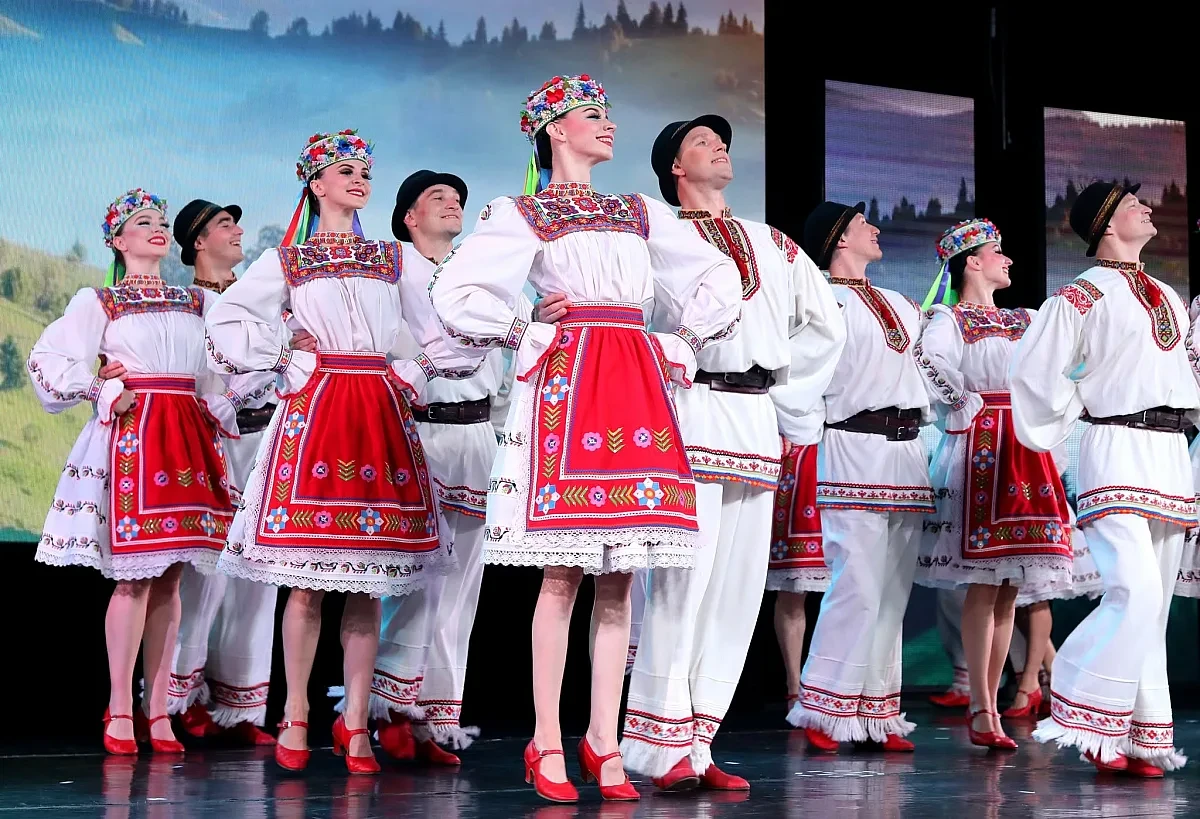
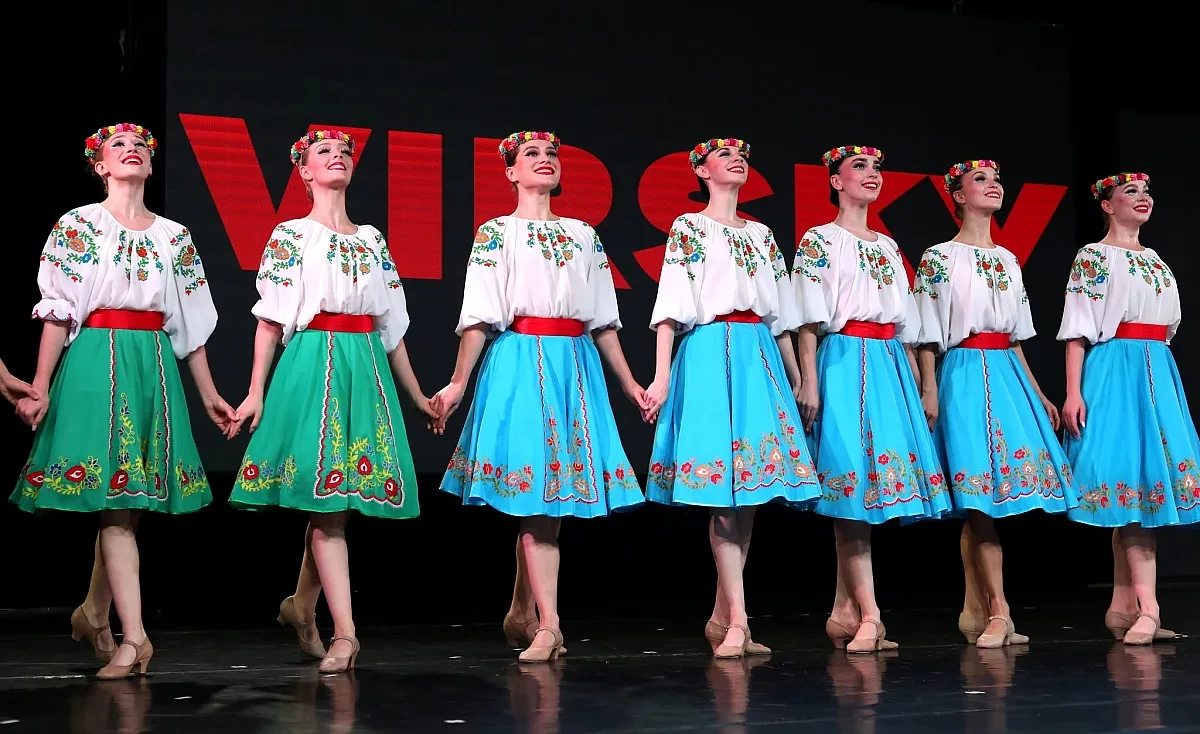
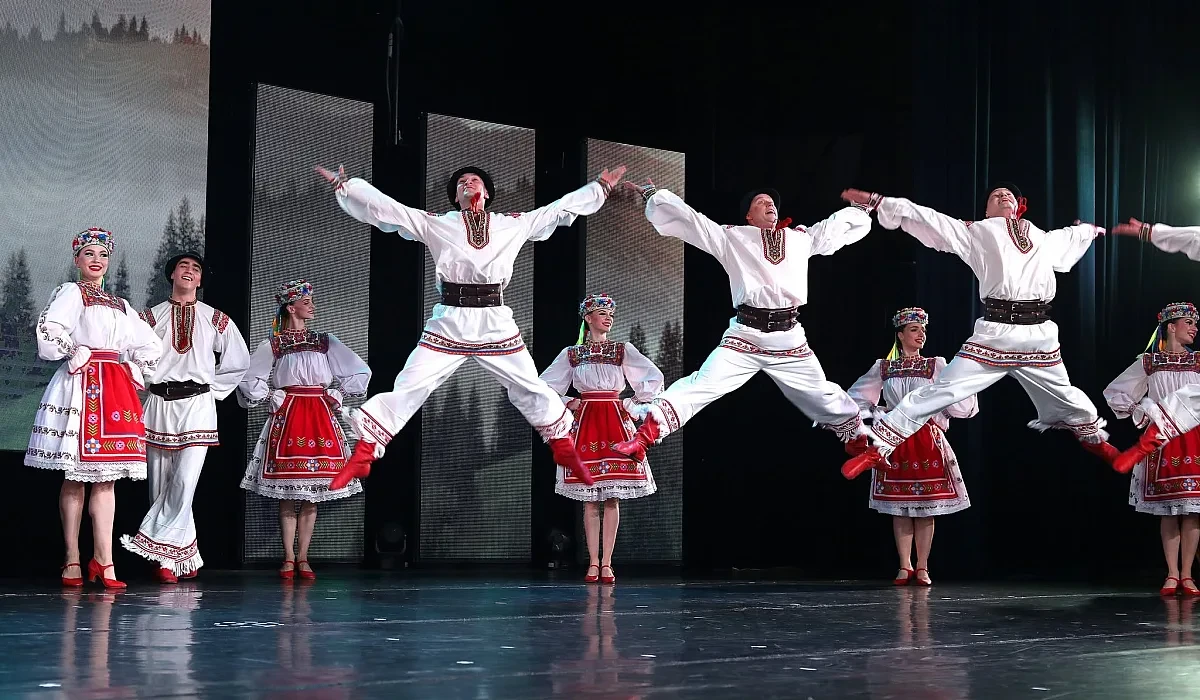
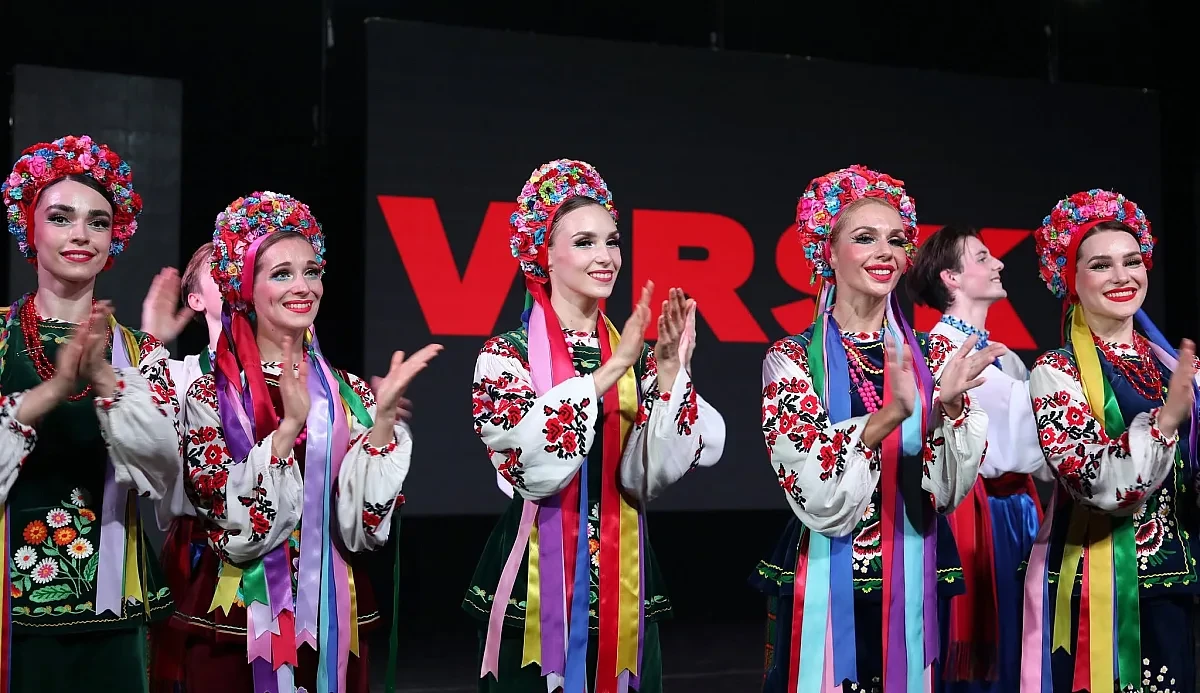
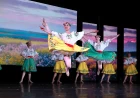
MYKOLAIV, UKRAINE — Ukraine’s Virsky Dance Ensemble brought its Legendary Show to Mykolaiv’s Yunost Concert Hall, drawing an enthusiastic audience that rose to applaud the dancers at the end of the performance.
The program brought together familiar works and revived pieces from the ensemble’s repertoire. It also offered a view of cultural life in a country still at war: while Ukrainian soldiers serve at the front, performers continue to tour and audiences continue to gather. Photographer Igor Yermolayev, who attended the show, shared images and impressions of the evening on Facebook.
A standing ovation at Yunost
The National Honored Academic Dance Ensemble of Ukraine named after Pavlo Virsky performed at Yunost Concert Hall on October 21. Advertised as the Legendary Show, the event assembled dances from different periods of the company’s history in one program.
Local reports described an enthusiastic audience and a standing ovation at the end of the performance. Yermolayev also posted photographs from the concert and his impressions of the atmosphere inside the hall. Reports described strong attendance, although no verified figure for ticket sales or the number of people present was released.


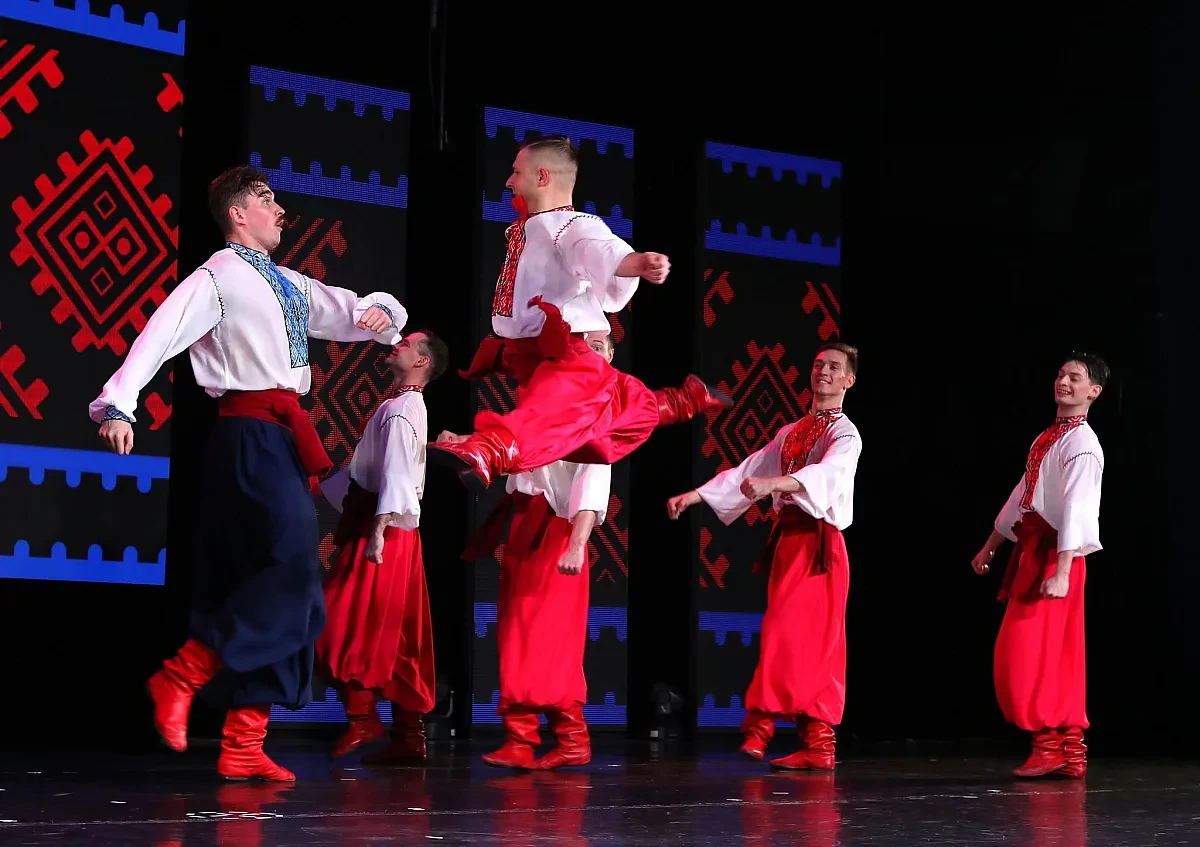
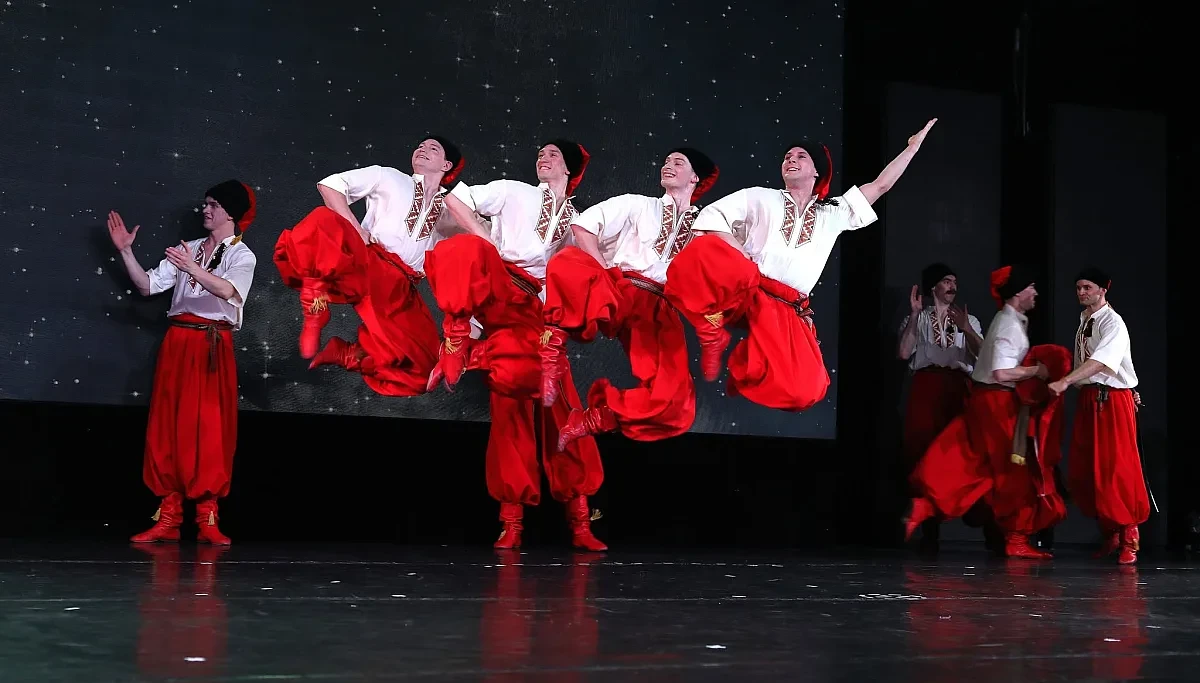
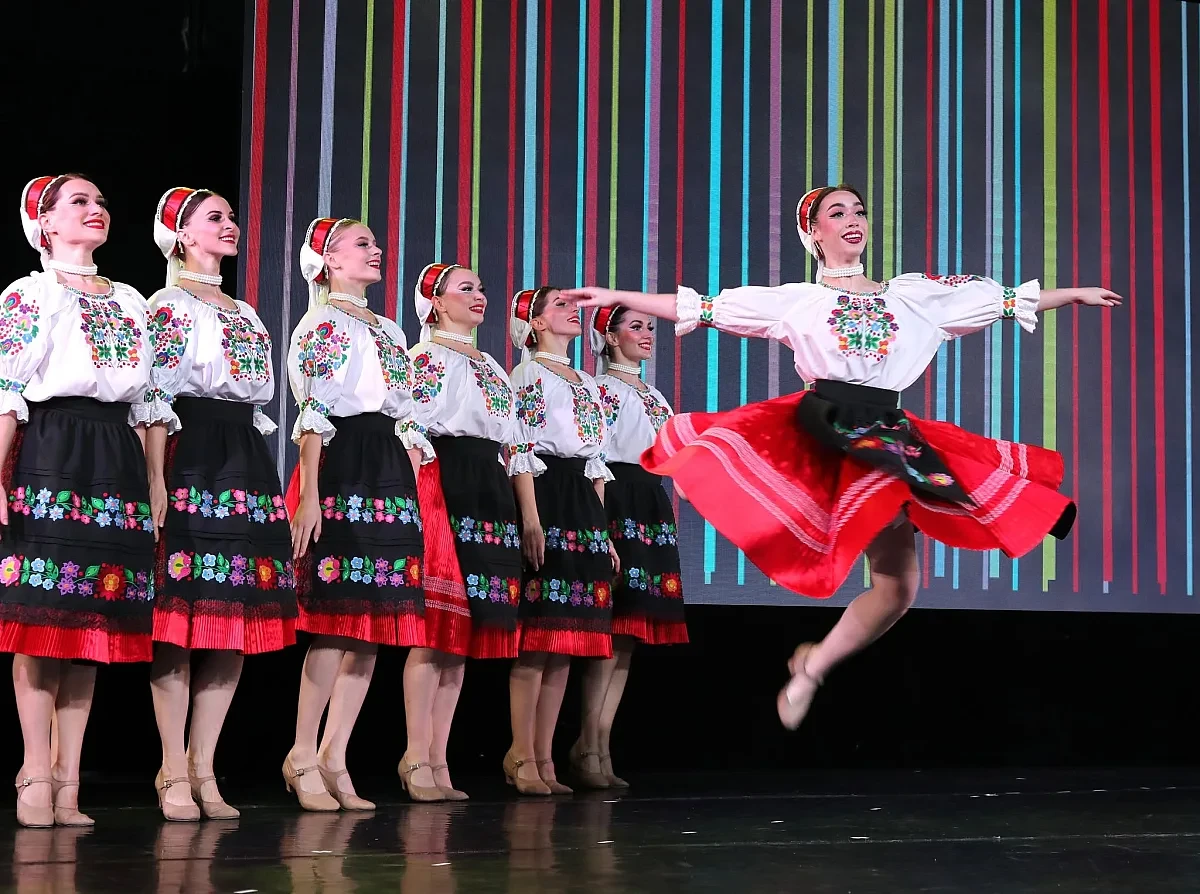
The performance placed demanding choreography before a Mykolaiv audience. Large groups of dancers had to move together while individual performers carried out fast, precise sequences. Those changes between collective formations and individual movement are among the features that make the ensemble’s work distinctive onstage.
For Yunost, the evening was another opportunity to bring a nationally known company before local audiences. Concerts and stage performances continue to give residents a place to encounter artists from across Ukraine, even as the war shapes daily life in the city.


Familiar dances and revived works
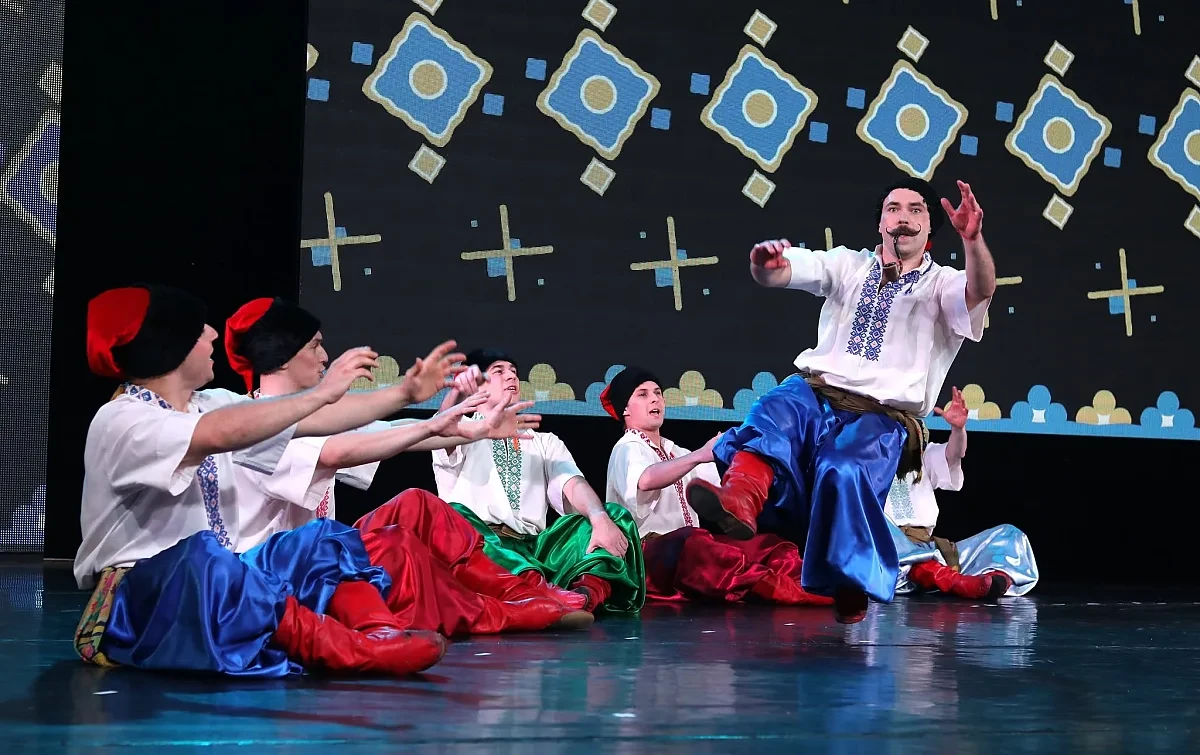
The Mykolaiv program included pieces identified in local coverage as We Are from Ukraine, Zaporozhians, Hopak and Povzunets. Some well-known dances appeared alongside Virsky works that, according to the reports, had not been performed by the ensemble for many years.
The pieces offer different kinds of movement. Some rely on the visual effect of many dancers forming and changing patterns together. Others draw attention to an individual performer’s speed, balance and control. Music and costumes help establish the setting and character of each work; they are part of the performance rather than decoration around it.
Hopak is among the Ukrainian stage dances most readily recognised by audiences. Its inclusion gave returning spectators a familiar point in the program while introducing newer viewers to a defining part of the ensemble’s repertoire. The other works showed the breadth of that repertoire beyond its most famous dance.
Reviving an older piece also requires present-day performers to learn how it fits into a full evening onstage. The work must be rehearsed, coordinated and presented by the current company. In Mykolaiv, those revived numbers allowed audiences to see another part of the ensemble’s artistic history.
The legacy of Pavlo Virsky
Pavlo Virsky played a central role in bringing Ukrainian folk dance to the professional stage. According to the ensemble’s history, he was among the creators of the company established in 1937 and remained an influential artistic leader for many years.
His approach went beyond placing traditional steps before an audience. Choreography could use the positions of the dancers, their movement as a group, musical rhythm and costume to develop a complete stage work. That approach helped form the performance style for which the company became known.
A folk dance staged in a large concert hall cannot simply reproduce the circumstances in which it was first danced. Performers need to shape its movement and transitions so an audience can follow the work from a distance. Virsky’s contribution lay in developing that stage language while drawing on Ukrainian dance traditions.
The Mykolaiv show offered an opportunity to see how those ideas continue to work before a live audience. Each formation required coordination, and each shift in pace had to remain clear within the larger piece. The apparent ease of a finished performance depends on sustained rehearsal by the dancers.
Continuing the repertoire under Myroslav Vantukh
Myroslav Vantukh now leads the ensemble as its general director and artistic director, according to the company’s website. Under his leadership, it continues to work with the repertoire inherited from Virsky while developing its performances for new generations of artists and audiences.
Keeping an established work onstage involves more than remembering its sequence of steps. Dancers must perform it together, maintain the clarity of its formations and convey its particular character. Reviving pieces absent from performances for years adds another task: bringing them back through the work of the present company.
That continuity is part of what audiences see when they attend a Virsky performance. New dancers learn works developed before they joined the ensemble, then perform them as members of a coordinated group. The result depends on both the earlier choreography and the skill of the artists now presenting it.
The Mykolaiv program reflected that connection between past and present. Recognisable dances sat beside revived works, giving spectators more than a selection of the company’s best-known moments. It showed a repertoire that remains in active use.
Ukrainian dance before audiences worldwide
Promotional material for the show states that the Virsky ensemble has performed in 90 countries. Its international touring has made the company a familiar representative of Ukrainian dance abroad, introducing audiences to its music, costumes and choreography.
A performance outside Ukraine may be a viewer’s first encounter with these dance traditions. At home, some audience members may already know the music, movements or cultural references that appear onstage. The same repertoire can therefore reach people in different ways.
The Mykolaiv concert brought that internationally travelled company before an audience in Ukraine. The dancers performed works associated with the country’s cultural heritage in a city where residents could experience them together, in person, rather than through a recording.
The response at Yunost was part of that exchange between stage and audience. At the close of the show, spectators stood to applaud the performers. It was the clearest reported expression of how those present received the evening’s work.
A stage open during wartime
War continues to shape life across Ukraine. Soldiers are serving at the front while civilians work, raise families and try to maintain parts of ordinary life. Cultural events take place within those circumstances, with performers and audiences continuing to meet where conditions allow.
A dance performance cannot remove the losses or difficulties caused by war. It can, however, bring people into a shared space and allow artists to continue the work for which they have trained. In Mykolaiv, the Virsky ensemble’s visit showed that the city’s cultural life still has an audience.
The evening also brought several strands of Ukrainian performance history together: dances closely associated with the company, works returned to its program and the present generation of artists performing them. Yunost provided the stage; Mykolaiv’s audience provided the response.
When the show ended, the dancers received a standing ovation. That moment captured what happened at the concert without requiring a larger claim: during a war, an established Ukrainian ensemble performed in Mykolaiv, and people came to watch.
WiseNewsPress.com
What's Your Reaction?
 Like
0
 Dislike
0
 Love
0
 Funny
0
 Wow
0
 Sad
0
 Angry
0
Yusuf İnan is a journalist, columnist, strategic analyst and head of the Wise News Press Media Group. His work focuses on international affairs, geopolitics, security and major social issues. Through his journalism, he promotes peace, dialogue, mutual understanding and responsible reporting while contributing to the development of international media projects.












Comments (0)