



The blow was not directed at Azerbaijan and Aliyev, but rather at Türkiye and President Erdoğan!
Aliyev’s absence from the Ankara summit and Tokayev’s Russia proposal reveal the political cost of coup allegations for Türkiye and the Turkic states.


By Yusuf İnan | Wise News Press
Journalist and author | Political and strategic analyst
ANKARA, TÜRKİYE — Coup allegations surrounding Azerbaijan strained Ankara–Baku relations; Ilham Aliyev’s absence from the 30 October Organization of Turkic States summit showed that the political cost also fell on Türkiye.
I use the word “coup” here as a metaphor for the political consequences of the allegations and the diplomatic decisions that followed, not as a finding that a military coup against Türkiye or President Erdoğan took place. The question is not only who made the allegations. It is also whose role as a unifying force suffered as a result.
How did the coup allegations emerge?
The tension began with Azerbaijan’s regulation on school attire dated 21 September 2026. Although the regulation did not explicitly mention headscarves, reports said that some girls wearing them were subsequently denied entry to school. The issue prompted protests in Azerbaijan and criticism in Türkiye. Azerbaijan’s authorities viewed statements from abroad about their education policy as interference in the country’s sovereignty. Concern for the girls’ right to education and allegations of interference in a state’s internal affairs thus came into direct conflict.
On 16 October, Azerbaijan’s Prosecutor General’s Office announced a criminal investigation into online posts by several people in Türkiye, alleging calls for the forcible seizure of power and a change to the constitutional order. These are the prosecutors’ allegations. They are not a court judgment establishing the existence of a coup plan or the involvement of the Turkish state. On 21 October, Azerbaijan’s Foreign Ministry declared 31 Turkish citizens persona non grata, citing statements it said targeted the country’s constitutional order and security.
A still more serious allegation circulated about Foreign Minister Hakan Fidan’s visit to Baku. On 17 October, Türkiye’s embassy in Baku rejected claims that Fidan had held a secret meeting, issued instructions and been involved in “coup and chaos plans.” The embassy described those claims as disinformation damaging Türkiye–Azerbaijan relations. Its response concerned an allegation separate from the Azerbaijani prosecutors’ case against individuals. Treating the two as a single, proven event would be wrong.
My political assessment is this: Once unproven coup allegations involving Türkiye take hold in public debate, more than a few individuals are placed under suspicion. The trust Ankara has built with Baku, and the unifying role President Erdoğan seeks to play among Turkic states, also come under pressure. That is what I mean by the political coup in the title. It is not a proven finding about who planned an operation.
The missing leader at the Ankara summit
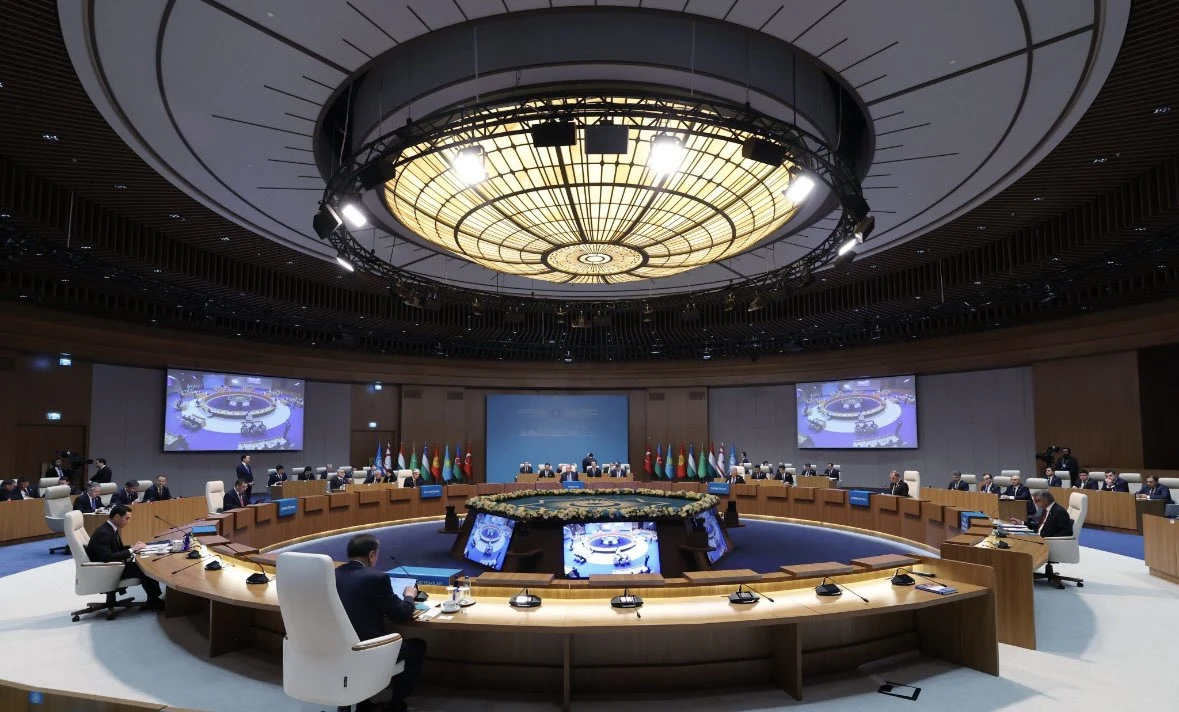
Erdoğan called Ilham Aliyev on 21 October and invited him to the 13th Summit of the Organization of Turkic States in Ankara. The Azerbaijani presidency’s account of the call also recorded positive messages from both leaders about the development of their fraternal relations. Aliyev sent Erdoğan a Republic Day greeting on 29 October. Yet he did not attend the summit on 30 October. Azerbaijan was represented by Foreign Minister Jeyhun Bayramov.
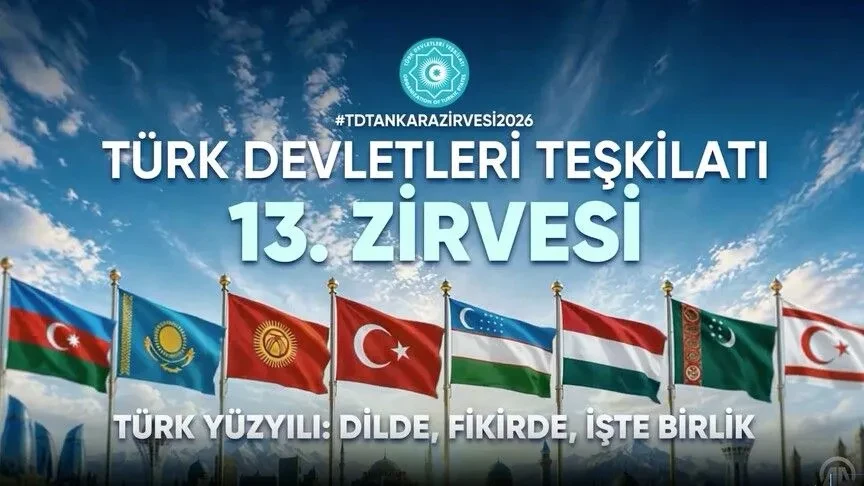
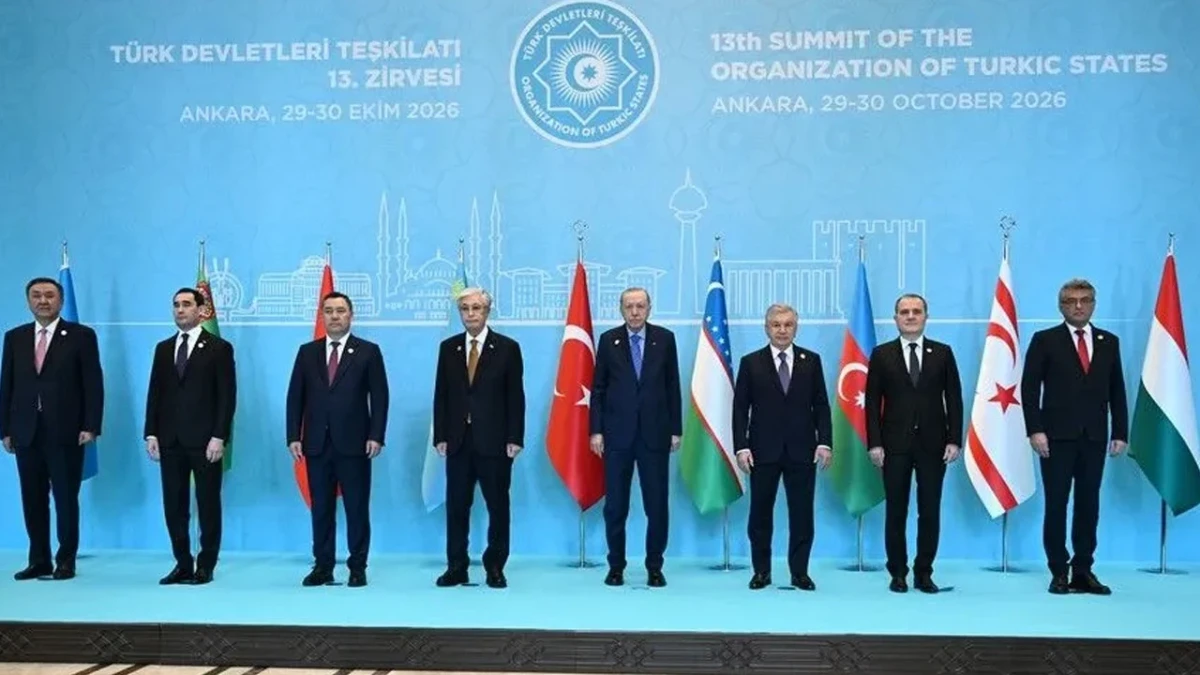
The diplomatic weight of that absence should not be underestimated. The summit’s theme was “The Turkic Century: Unity in Language, Thought and Deed.” Moreover, the organization’s chairmanship was passing from Azerbaijan to Türkiye. At precisely that moment, the Azerbaijani president’s absence from the family photograph left a conspicuous political question alongside Ankara’s message of unity. Erdoğan’s declaration at the summit that there was no place for separation, discord or division in the Turkic world’s family photograph underscored the importance of that image.
The limits of the facts must also be clear. The summit took place, the Ankara Declaration was adopted, and Erdoğan received Bayramov after the meeting. It would therefore be inaccurate to say that the organization collapsed or the summit was prevented from taking place. The political loss was that a crisis of confidence cast a shadow over the display of unity, not that the institution ceased to function. Wise News Press’s report on the Ankara summit sets out its decisions and Aliyev’s absence. Wise News Press
This distinction matters. Türkiye and Azerbaijan raised their relationship to the level of an alliance through the Shusha Declaration, signed on 15 June 2021. An absence from one summit does not erase that bond. But the strength of the alliance is no reason to conceal the tension that has emerged.
What does Tokayev’s Russia proposal mean?
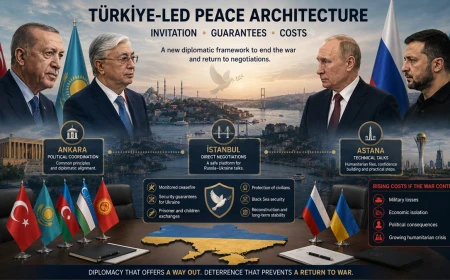
Another striking development in Ankara was Kazakh President Kassym-Jomart Tokayev’s proposal concerning Russia. He suggested inviting Russia into the OTS Plus format or allowing it to participate in the organization’s activities as an observer. Among the reasons he gave were the historical ties with Turkic peoples living in Russia. This does not mean that Russia was granted full membership; no such decision was announced at the summit.
The language, culture and rights of Turkic peoples in Russia cannot, of course, fall outside the Turkic world’s concern. Nor do I reject dialogue with Moscow as a matter of principle. But the form that relationship takes is decisive. Cooperation could help Turkic states develop their own agenda and ability to make decisions. A poorly designed relationship, however, could expose the organization’s priorities to the weight of a powerful neighboring state.
That is why the claim that “Tokayev handed Türkiye’s role to Russia” does not follow from the facts available today. Tokayev also praised Türkiye’s international standing and Erdoğan’s leadership at the same summit. The real question lies ahead: As the Organization of Turkic States engages with Russia, how will it protect its political independence, equality among its member states and Türkiye’s founding influence?
Where do Ukraine and the Crimean Tatars fit?
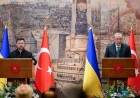
As a new channel of dialogue with Russia is discussed, it would be wrong to disregard Ukraine and the Crimean Tatars. Crimean Tatars are a historic part of the Turkic world, while Crimea is Ukrainian territory under international law. The Organization of Turkic States also includes respect for states’ territorial integrity and internationally recognized borders among its principles.
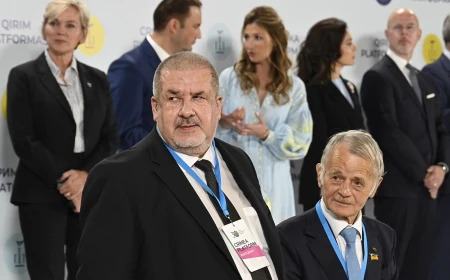
In my article ahead of the Ankara summit, I proposed inviting Ukraine, together with Crimean Tatar representatives, as guests to OTS summits. That proposal still stands. Guest participation is distinct from full membership or observer status; it should not be portrayed as a decision that overrides the organization’s membership rules. Such an invitation could give Crimean Tatars a voice and reinforce diplomatic support for Ukraine’s sovereignty.
The Mecca agreement and Türkiye’s two diplomatic tracks
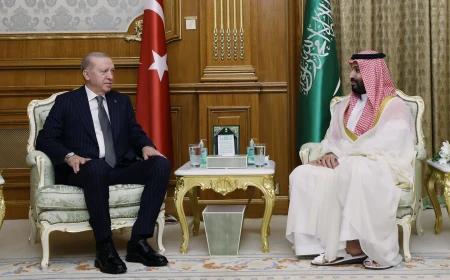
Türkiye’s ambitions extend beyond the Turkic world. On 7 August 2026, Türkiye, Saudi Arabia and Pakistan signed the Mecca Joint Defence Agreement. This three-country agreement provides a framework for cooperation separate from the Organization of Turkic States. It would be inaccurate to describe it as an already established common defence system for the entire Islamic world. iletisim.gov.tr
Taken together, however, these developments show Türkiye’s diplomatic objective: Ankara wants to build ties of security and solidarity across different regions. At such a time, mutual suspicion with Azerbaijan, one of its closest allies, diverts Türkiye’s attention and political energy from shared goals. That is where the heavy cost of the coup allegations for Türkiye becomes apparent. There is no evidence that the tension has damaged the Mecca agreement. The risk is that a prolonged crisis of confidence will test Ankara’s ability to manage its different partnerships at the same time.
My question remains the same: Who gained from this process? Azerbaijan’s concerns about its sovereignty must be heard. Criticism voiced in Türkiye about the right to education should not automatically be treated as a coup plan, either. Until the allegations between the two countries are addressed with clear evidence, Türkiye, Azerbaijan and the Turkic world will share the political burden of suspicion. Yet the most visible cost in Ankara on 30 October fell on Türkiye, the summit’s host, and on President Erdoğan, who called for unity.
WiseNewsPress.com
What's Your Reaction?
 Like
0
 Dislike
0
 Love
0
 Funny
0
 Wow
0
 Sad
0
 Angry
0
Yusuf İnan is a journalist, columnist, strategic analyst and head of the Wise News Press Media Group. His work focuses on international affairs, geopolitics, security and major social issues. Through his journalism, he promotes peace, dialogue, mutual understanding and responsible reporting while contributing to the development of international media projects.










Comments (0)