



Emine Erdoğan urges family and women cooperation across Turkic world
Emine Erdoğan called for permanent Turkic cooperation on family and women’s policies, proposing the council’s first official meeting in Uzbekistan.


By Yusuf İnan | Wise News Press
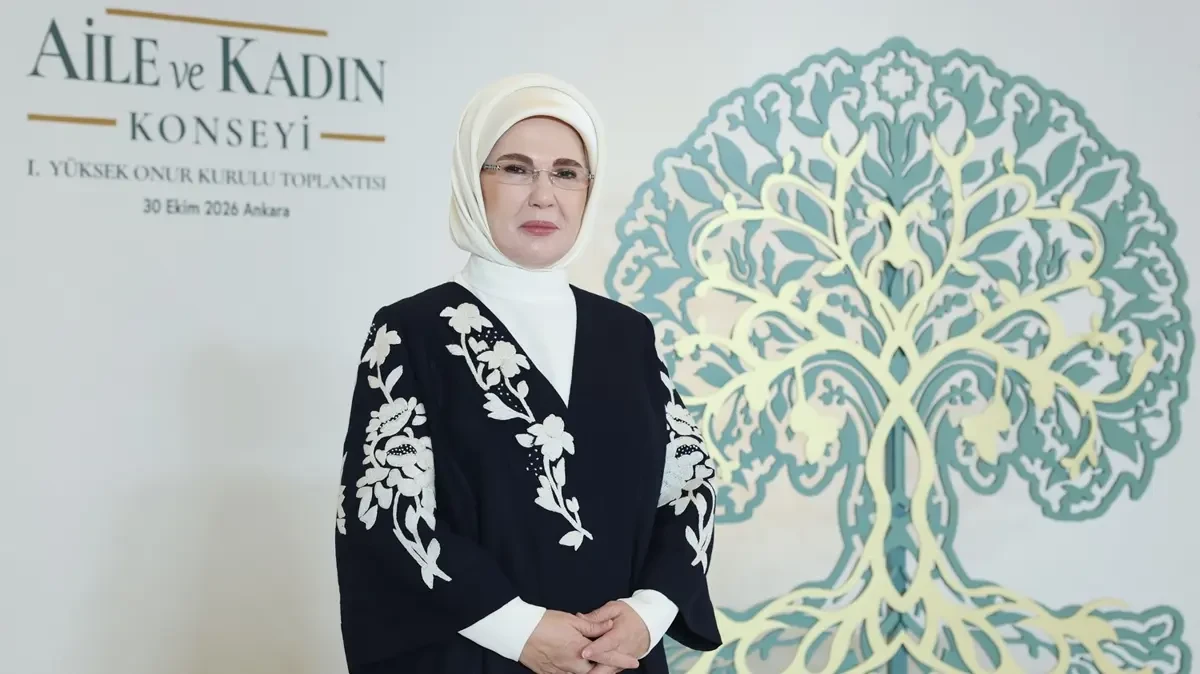
ANKARA, TÜRKİYE — The first High Honor Board meeting for the planned OTS Family and Women Council was held at Çankaya Mansion in Ankara under the auspices of Emine Erdoğan.
The initiative seeks to turn shared priorities concerning women, families and children across the Turkic world into a permanent mechanism for policy coordination and practical cooperation.
First institutional step taken in Ankara
The consultative meeting, titled “From Solidarity to Institutional Cooperation: Family and Women in the Turkic World,” was organized during the 13th Summit of the Organization of Turkic States, or OTS.
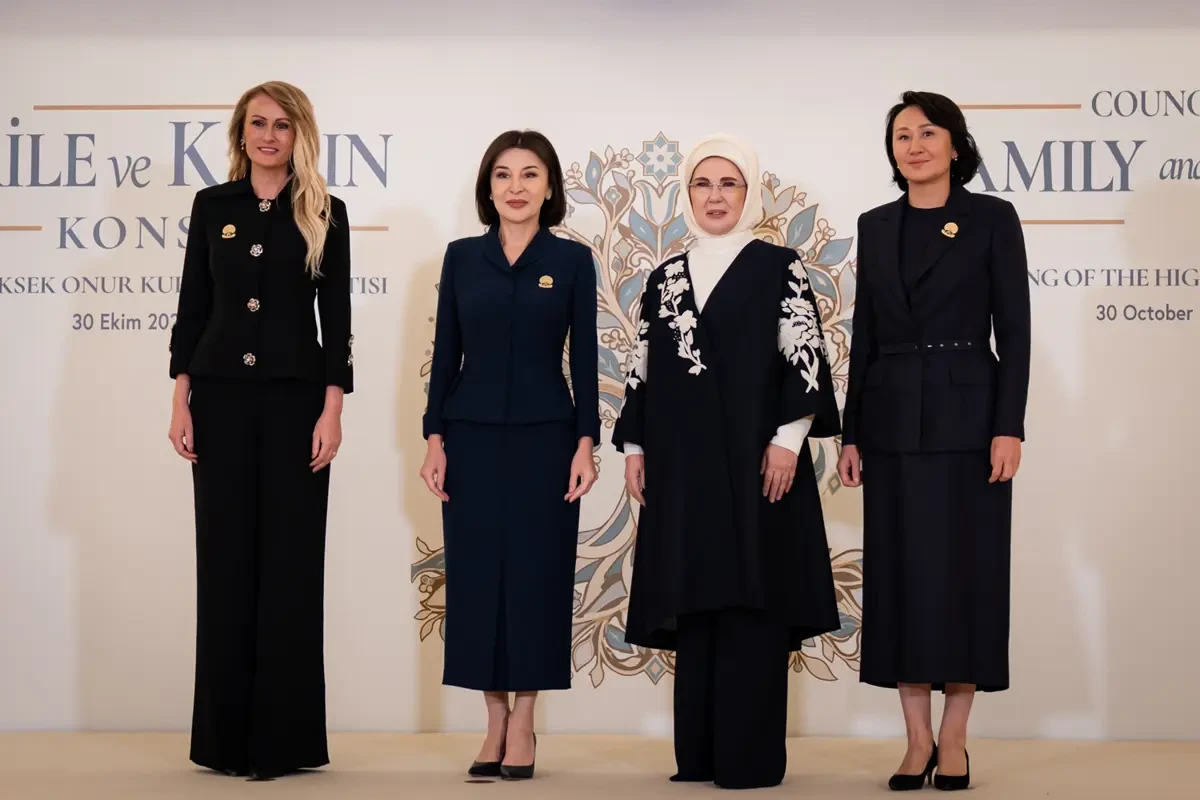
Participants included Ziroat Mirziyoyeva, wife of Uzbek President Shavkat Mirziyoyev; Aigul Japarova, wife of Kyrgyz President Sadyr Japarov; and Nilden Bektaş Erhürman, wife of Turkish Cypriot President Tufan Erhürman.
Turkish Family and Social Services Minister Mahinur Özdemir Göktaş and senior representatives from participating countries also attended the gathering.
According to the Turkish Presidency’s Directorate of Communications, the proposed Family and Women Council is intended to transform political support for women and families into lasting institutional cooperation.
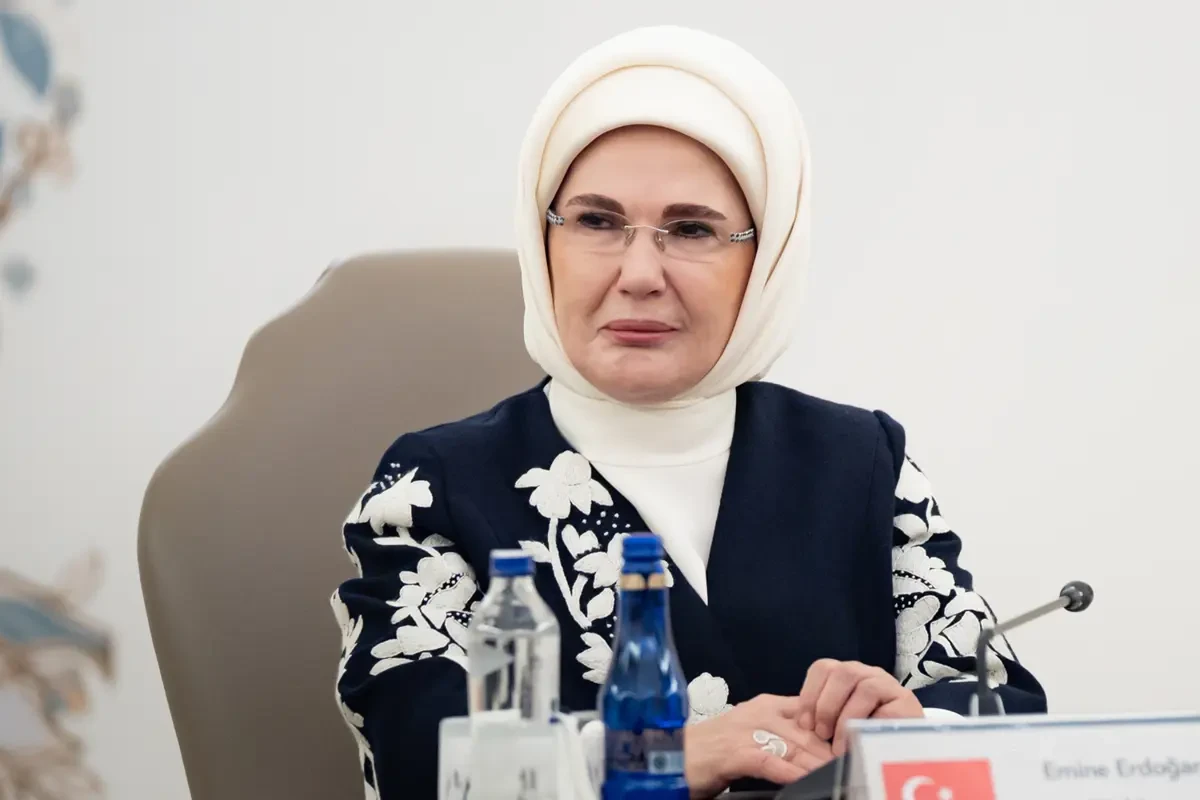
Emine Erdoğan said the OTS had already developed partnerships in areas ranging from energy and the economy to culture and technology. She argued that coordinated policies on women and families would add a new social dimension to the Turkic World Vision 2040.
Erdoğan rejects a single model for women
Emine Erdoğan said globalization was bringing societies closer together but could also weaken cultural differences by promoting a uniform understanding of success, freedom and social life.
She criticized approaches that present one idealized image of women as a universal standard. Such models, she said, risk making women outside those prescribed lifestyles less visible.
Erdoğan also cautioned against measuring women’s achievements only through their professional positions, saying this could overlook their work and responsibilities within families. At the same time, she said defining women solely through domestic roles could prevent them from realizing their potential in science, politics, business and public life.
“Being a strong woman is too broad a concept to be reduced to a single way of life,” Erdoğan said.
She called for a social structure in which women are not forced to choose between motherhood and professional life, family responsibilities are shared fairly and young people are supported when forming families.
Erdoğan said the objective should be to enable women to participate in society according to their own values, abilities and decisions instead of confining them to externally imposed models.
Historical legacy presented as a policy reference
Emine Erdoğan said the active participation of women in public and social life was not foreign to the history of the wider Turkic region.
She cited the observations of the 14th-century traveler Ibn Battuta, who wrote about the prominent position of women in Turkic societies. She also referred to Gowhar Shad, an influential woman of the Timurid era who supported educational and cultural institutions.
Erdoğan highlighted Kurmanjan Datka, remembered in Kyrgyz history for her political leadership and diplomatic role. She also said records from Istanbul in 1546 showed that women had established 36 percent of the charitable foundations documented for that period.
Another example was Bacıyan-ı Rum, an organization associated with women engaged in production, crafts and social affairs in 13th-century Anatolia.
Erdoğan said recalling this legacy should serve a purpose beyond celebrating the past. In her assessment, it could help shape a contemporary approach compatible with the cultural sensitivities, social conditions and priorities of Turkic societies.
She acknowledged that women did not enjoy equal opportunities throughout every period of history but argued that strong and effective female participation had deep roots across the region.
Pressure on families placed on common agenda
Emine Erdoğan said a society’s strength could not be measured solely through economic growth, production capacity or technological development. The condition of the family, she argued, was another important indicator of social resilience.
She identified individualization, digitalization, demographic change and falling birth rates as pressures confronting families. She also warned that treating women’s issues as entirely separate from family life could deepen existing problems.
Erdoğan said policies should allow women to combine family and professional responsibilities without being forced into a choice between the two. She also stressed the need for a fair distribution of responsibilities at home and measures that make it easier for young people to establish families.
Referring to Türkiye’s domestic policies, Erdoğan recalled that 2025 had been designated the Year of the Family and that the period from 2026 to 2035 had been declared the Decade of Family and Population.
She said Türkiye was supporting women in education, employment, entrepreneurship and technology while maintaining a “zero-tolerance” policy toward violence against women.
In Erdoğan’s view, strengthening women and protecting families should be treated as complementary goals and as conditions for sustainable development and social welfare.
Leaders’ spouses propose practical programs
Ziroat Mirziyoyeva proposed the preparation of a joint program supporting women’s education, professional development and entrepreneurship.
She said the initiative could include career guidance for girls, mentoring, exchanges of experience and joint projects. Mirziyoyeva particularly emphasized improving digital literacy among women living in remote regions and helping them use electronic commerce to reach new markets.
She also suggested establishing a shared digital platform devoted to influential women from the history of the Turkic world. Such a platform, she said, could preserve historical sites, support joint research and provide younger generations with examples from their shared heritage.
Aigul Japarova said support provided to families should be regarded as an investment in children’s future. She called for policies enabling women to receive education, develop careers and contribute to society while maintaining family life.
Japarova also stressed that mothers and fathers should share responsibility for raising children. Addressing violence against women, she called for stronger legal, psychological and social assistance and closer cooperation between public institutions and civil society organizations.
Nilden Bektaş Erhürman said the planned council could become a permanent platform for exchanging national experiences, sharing successful practices and developing joint responses to common social challenges.
She linked the proposal to the Turkic World Vision 2040, arguing that regional cooperation should include social solidarity, cultural values and family policy alongside political and economic relations.
Uzbekistan proposed for first official meeting
Emine Erdoğan said the Ankara gathering represented the first step toward establishing the council as a lasting cooperation platform.
The proposed High Honor Board, expected to include the spouses of heads of state, is intended to provide high-level support for the council’s work. Following the leaders’ spouses meeting, ministers and senior officials attended a founding session moderated by Family and Social Services Minister Göktaş.
Erdoğan proposed that the council’s first official meeting be held during the 14th OTS Summit, planned for Uzbekistan in 2027, under the hosting of Ziroat Mirziyoyeva.
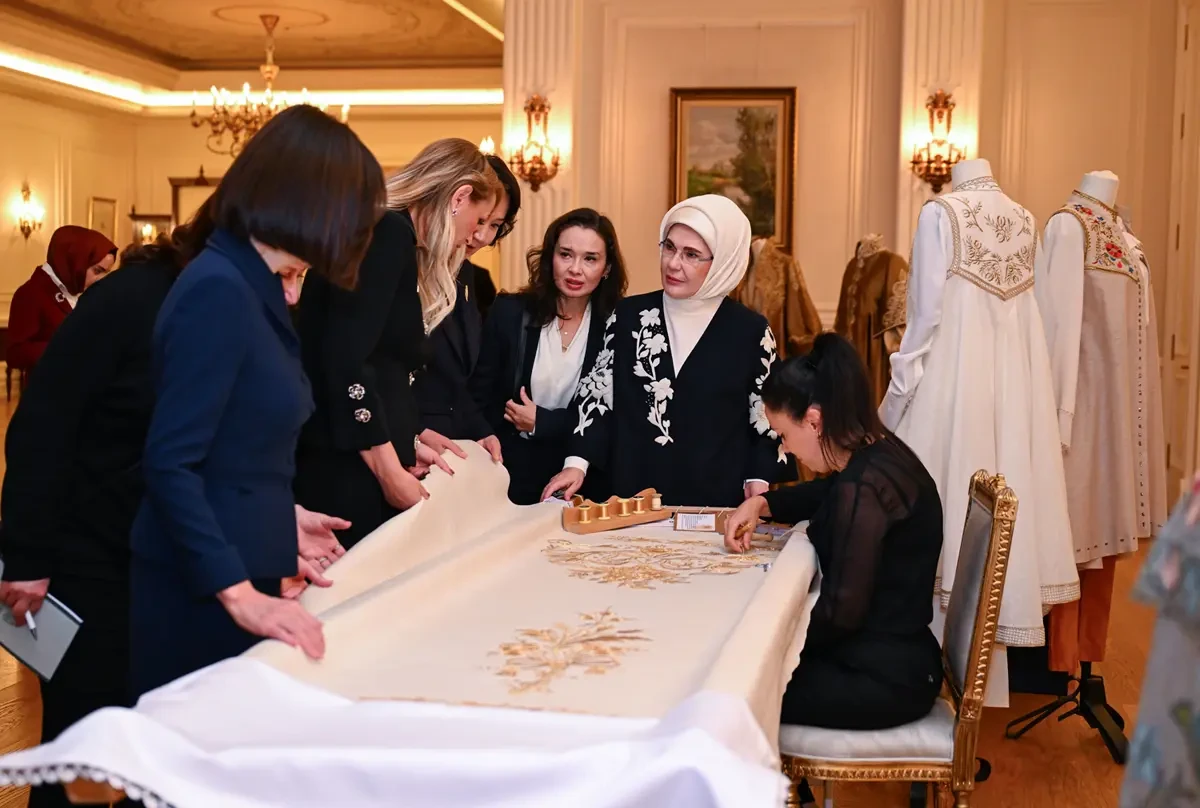
The Ankara program also included an exhibition prepared from the collections of Türkiye’s Maturation Institutes. The display featured 34 works representing weaving, embroidery, clothing, decorative arts and dowry traditions extending from Turkistan to Anatolia.
The participants later attended a fashion presentation featuring traditional clothing from Anatolia and the broader Turkic world. The cultural program was intended to complement the policy discussions by highlighting the shared heritage underpinning the proposed cooperation mechanism.
WiseNewsPress.com
What's Your Reaction?
 Like
0
 Dislike
0
 Love
0
 Funny
0
 Wow
0
 Sad
0
 Angry
0
Yusuf İnan is a journalist, columnist, strategic analyst and head of the Wise News Press Media Group. His work focuses on international affairs, geopolitics, security and major social issues. Through his journalism, he promotes peace, dialogue, mutual understanding and responsible reporting while contributing to the development of international media projects.








Comments (0)