



ChatGPT is becoming a third party in modern relationships
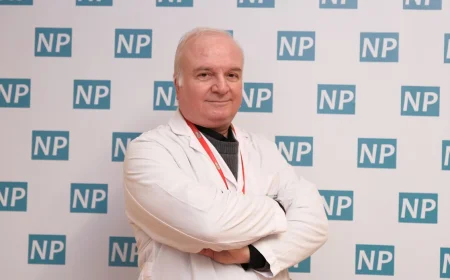
Expert Psychologist Dr. Sevilay Abudaram warns that consulting AI like ChatGPT instead of partners is a digital form of "triangulation" that harms emotional bonds.



WISE NEWS PRESS / ISTANBUL, TURKIYE
Couples are increasingly turning to artificial intelligence applications to resolve conflicts within their relationships, a trend that experts warn is creating a new and dangerous defense mechanism. Dr. Sevilay Abudaram, a prominent Couple Therapist and Clinical Psychologist, states that consulting an algorithm instead of engaging in direct dialogue with a partner is a digital reflection of a defense mechanism known in systemic theory as "triangulation."
As individuals encounter uncertainties and friction in their partnerships, they frequently use AI as a buffer to avoid the intense emotions—such as anxiety, sadness, and fear—that direct confrontation often brings. By involving a digital third party, partners attempt to form an alliance with AI to strengthen their position, turning the relationship into a competitive arena for proving who is "right" rather than a space for mutual understanding and emotional growth.
AI as a Digital Escape from Emotional Uncertainty
The urge to consult AI platforms like ChatGPT often stems from a deep-seated need to eliminate uncertainty quickly. Dr. Abudaram explains that when individuals feel overwhelmed by the possibility that their relationship problems are unsolvable, they choose the "easier" path of asking a robot.
"This attitude is a technological manifestation of faulty coping mechanisms, such as acting as if there is no problem, shifting focus, or assuming what a spouse thinks," Dr. Abudaram noted. "It is deeply concerning to see individuals asking ChatGPT whether they are 'right' in an argument or trying to guess what their partner is feeling through an algorithm. While technology simplifies life, entrusting a relationship to an algorithm can inadvertently drive that relationship toward its end."
The Two Primary Reflections of AI Use in Relationships
Dr. Sevilay Abudaram evaluates the tendency of couples to rely on AI under two main psychological headings, both of which center on the avoidance of uncertainty:


1. Digital Mind Reading: Many individuals use AI to attempt to "read" their partner’s mind. This is often a way to soothe personal anxiety by trying to assign specific reasons to a partner's movements or moods. By asking ChatGPT what their spouse might be thinking or feeling, individuals begin living a relationship based on probabilities and assumptions rather than actual communication. This leads to a "pseudo-relationship" where the person interacts with the AI's data instead of their living, breathing partner. The illusion of a "problem-free" relationship created through AI is, in reality, a significant obstacle to genuine intimacy.
2. Relational Triangulation: In psychological terms, triangulation involves bringing a third element into a two-person conflict to relieve tension. Historically, this meant venting to friends or family for hours. Today, that source has become AI. Dr. Abudaram warns that this is akin to "putting dynamite under the relationship." AI is particularly risky because its responses are based on generalized algorithms; they are not unique to the specific history, nuances, or emotional depths of a particular couple.
Emotional Contact vs. Rational Data Analysis
From a systemic perspective, asking a robot about a problem with a spouse is a modern error of "mind reading." In a healthy relationship, answers should be found by looking into a partner's eyes and hearing the tremor in their voice, not by reading text on a cold screen. Dr. Abudaram defines this trend as "relational laziness."


"Your relationship does not need a 'logical' data analysis; it needs 'emotional' contact," says Dr. Abudaram. "An AI might tell you that you are 'right,' but the AI is not the person you will be hugging and sleeping next to at night. Entrust your relationship not to data, but to each other's hearts and intentions."
In conclusion, while AI can provide information, it cannot provide the empathy, shared history, and intentionality required to sustain a human partnership. Experts urge couples to face the "difficult" emotions together, as the process of navigating those challenges is exactly what builds the lasting bond that no algorithm can replicate.
What's Your Reaction?
 Like
0
Like
0
 Dislike
0
Dislike
0
 Love
0
Love
0
 Funny
0
Funny
0
 Wow
0
Wow
0
 Sad
0
Sad
0
 Angry
0
Angry
0

Editor | Wise News Press — Delivering accurate, timely global news with integrity, insight, and editorial responsibility.




















Comments (0)