



It Starts Like a Common Cold, Ends in the Hospital: The Rising RSV Threat for Infants
As winter infections spike, Dr. Tufan Torun warns that RSV, often mistaken for a simple cold, can rapidly escalate into severe respiratory distress and pneumonia in infants.


WISE NEWS PRESS / ISTANBUL, TURKEY — DEC 16, 2025
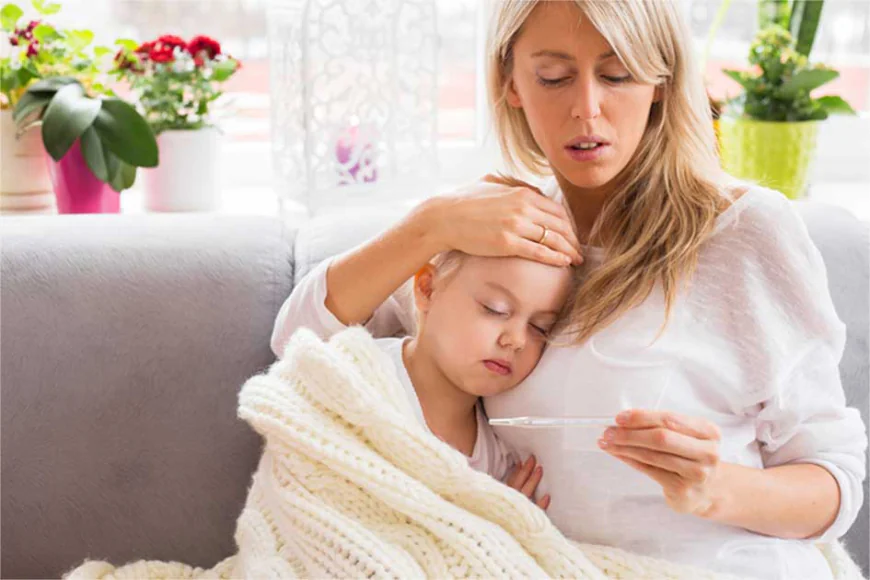
With the arrival of winter, respiratory infections are surging, bringing the Respiratory Syncytial Virus (RSV) back into the spotlight as a serious threat to infants and young children. Although RSV infection often begins with symptoms mimicking a simple cold, experts warn that it can progress rapidly to severe respiratory distress and require hospitalization, particularly in high-risk groups.
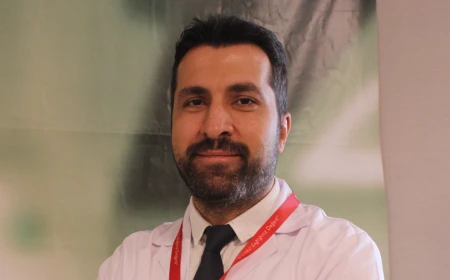
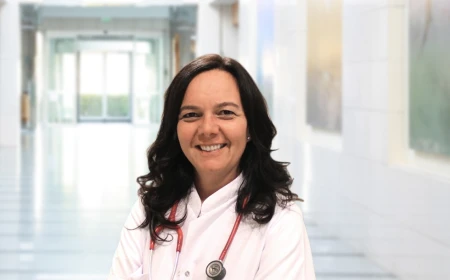
Specialist Dr. Tufan Torun, a Pediatrician at Çakmak Erdem Hospital, emphasized that while almost every child contracts RSV by the age of two, the virus poses a significantly higher risk for premature babies, children with chronic lung diseases, and those with weakened immune systems.
"Symptoms Can Worsen Within Hours"
In most cases, RSV manifests with mild symptoms such as a runny nose, slight fever, cough, and fatigue. However, Dr. Torun warns that the clinical picture can change dramatically in babies.
"The most critical point in RSV is that respiratory distress can develop very quickly," Dr. Torun explained. "Medical evaluation should be sought immediately if signs such as wheezing, rapid breathing, refusal to feed, or cyanosis (bruising/turning blue) appear."
Leading Cause of Bronchiolitis and Pneumonia
RSV is identified as one of the most common causes of bronchiolitis and pneumonia in infants. The infection can become severe enough to require oxygen support, especially in babies younger than 6 months.


Dr. Torun urged parents not to dismiss persistent symptoms as "just a cold," noting that early intervention plays a vital role in preventing complications.
Hygiene is Critical for Prevention
The virus spreads easily through droplets released into the air by coughing or sneezing, close contact, and contaminated surfaces. Research shows that RSV can remain alive on surfaces for hours.
"Hand hygiene, frequent ventilation of indoor environments, and avoiding contact with sick individuals are the most effective methods of protection," stated Dr. Torun.


Supportive Treatment Saves Lives
Since there is no specific cure for the virus itself, treatment focuses on safely supporting the body's respiratory functions. This includes closely monitoring fluid balance, administering treatments to ease breathing, and providing oxygen support if necessary.
"Although most children recover from RSV with mild symptoms, the condition can worsen within hours for babies in the risk group," Dr. Torun concluded. "Families closely monitoring symptoms and consulting a physician without delay is the strongest step in preventing serious complications."
What's Your Reaction?
 Like
0
Like
0
 Dislike
0
Dislike
0
 Love
0
Love
0
 Funny
0
Funny
0
 Wow
0
Wow
0
 Sad
0
Sad
0
 Angry
0
Angry
0

Editor | Wise News Press — Delivering accurate, timely global news with integrity, insight, and editorial responsibility.















Comments (0)