



Putin receives Hakan Fidan in Kazan as Ukraine and Black Sea top agenda
Turkish Foreign Minister Hakan Fidan was received by Vladimir Putin in Kazan after talks focused on Ukraine, Black Sea security and mediation.


By Yusuf İnan | Wise News Press
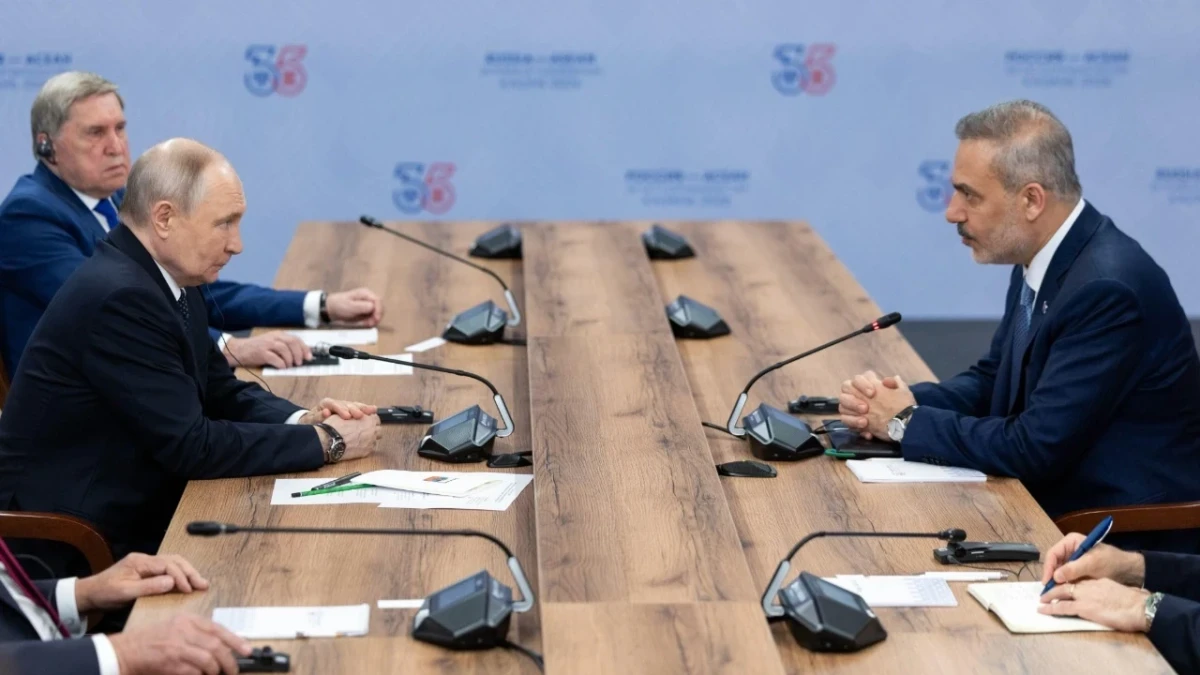
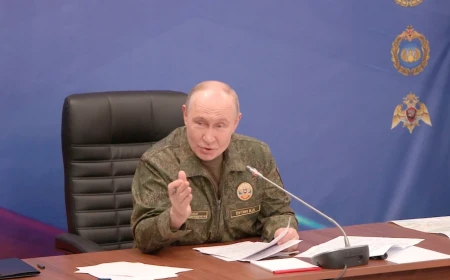
KAZAN, Russia — Turkish Foreign Minister Hakan Fidan was received by Russian President Vladimir Putin in Kazan, in a meeting that followed high-level talks on the war in Ukraine and security risks in the Black Sea.
The meeting took place during Fidan’s visit to Russia and came after his talks in Moscow with Russian Foreign Minister Sergey Lavrov. Turkish and international reports said the agenda included the war in Ukraine, maritime security in the Black Sea, regional diplomacy and Ankara’s readiness to host new rounds of negotiations between Moscow and Kyiv.
The meeting took place during the Russia-ASEAN summit
The Putin-Fidan meeting was held in Kazan, the capital of Russia’s Tatarstan Republic, during a diplomatic gathering linked to the Russia-ASEAN summit. Russian state agency TASS reported that Putin’s schedule in Kazan included a meeting with Hakan Fidan as part of the broader diplomatic traffic around the summit.
Associated Press also reported that Putin held contacts in Kazan during the Russia-ASEAN events, including a meeting with Turkey’s foreign minister. The summit marked an effort by Moscow to deepen ties with Asian partners at a time when Russia continues to face Western pressure over its war against Ukraine.
Fidan’s presence in Kazan, however, was not limited to the summit agenda. His meeting with Putin came after a wider set of Turkish-Russian contacts involving Ukraine, the Black Sea, transport, business and regional security files.
Putin said ties with Turkey are developing
According to reports from Russian media and international agencies, Putin described relations between Russia and Turkey as developing steadily and gaining a more substantive character. Fidan, in turn, was reported to have said that there were many issues to discuss.


The exchange reflected the complex nature of Turkish-Russian relations. Turkey is a NATO member and has repeatedly stated its support for Ukraine’s territorial integrity. At the same time, Ankara has maintained direct political, economic and security channels with Moscow.
This balancing role has made Turkey one of the few countries able to speak to both Russia and Ukraine during the war. It has also placed Ankara in a sensitive position between its NATO commitments, its regional interests and its long-standing economic relationship with Russia.
Fidan’s Moscow talks with Lavrov set the stage
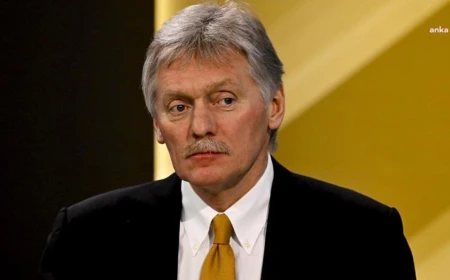
Before the Kazan meeting with Putin, Fidan met Russian Foreign Minister Sergey Lavrov in Moscow. Turkey’s Foreign Ministry said Fidan visited Russia on June 16-17 and held talks with Lavrov, followed by a joint press conference.


The ministry also said Fidan met Igor Levitin, an adviser to the Russian president and special representative for transport cooperation, as well as Vladimir Medinsky, Sergey Shoigu and representatives of the Turkish business community in Russia.
These contacts showed that the visit covered more than one diplomatic file. In addition to the war in Ukraine, the talks included transport, trade, security cooperation and economic issues that continue to shape relations between Ankara and Moscow.
Black Sea security was a central concern
Reuters reported that Fidan told Russia that steps threatening Turkey’s security and interests in the Black Sea should be avoided. The warning came amid heightened concerns over maritime security, commercial shipping and tanker movements in the region.
The Black Sea remains one of the most sensitive arenas of the Russia-Ukraine war. Attacks, accusations between Moscow and Kyiv, threats to civilian maritime traffic and risks to energy infrastructure have all increased Ankara’s concern.
For Turkey, the issue is not only regional. Black Sea security is directly linked to trade, energy routes, commercial shipping, food supply chains and national security. Turkey controls access to the Black Sea through the Turkish Straits under the Montreux Convention, making stability in the region a long-term strategic priority for Ankara.
During his press remarks with Lavrov, Fidan said possible ways to ensure safe navigation in the Black Sea had been discussed. That issue is expected to remain high on Turkey’s diplomatic agenda as the war continues.
Turkey repeated its offer to host negotiations
Fidan also renewed Turkey’s readiness to host new rounds of talks between Russia and Ukraine. Reuters reported that Ankara was prepared to support more results-oriented negotiations if the parties agreed.
Turkey previously hosted direct talks between Russian and Ukrainian delegations in Istanbul during the early phase of the war. Although those efforts did not bring a lasting settlement, they gave Ankara a visible diplomatic role and kept channels open between the sides.
By raising the issue again during the Moscow visit, Fidan signaled that Turkey continues to see diplomacy as part of its regional strategy. Ankara’s message is that the war cannot be resolved only through military means and that communication channels should remain open even when battlefield conditions are difficult.
Whether Russia and Ukraine are ready for renewed direct talks remains uncertain. The military situation, political demands from both sides and the position of Western capitals will all shape any potential negotiation track.
The war in Ukraine remains the main strategic file
The war in Ukraine was one of the main issues surrounding Fidan’s Russia visit. Turkey has tried to maintain a careful position since the beginning of the full-scale invasion. It has supported Ukraine’s sovereignty and territorial integrity while avoiding a total breakdown of relations with Russia.
This policy has allowed Ankara to remain active in diplomacy, but it has also required constant balancing. Turkey cooperates with Ukraine in several areas and has strong ties with NATO, yet it also depends on Russia in energy, tourism, trade and regional security files.
The Kazan meeting showed that this direct channel with Moscow remains open. For Turkey, direct contact with the Kremlin is important not only for the Ukraine war but also for Syria, the Caucasus, energy projects, the Black Sea and broader regional stability.
Timing ahead of the NATO summit drew attention
Fidan’s Russia visit came shortly before Turkey is expected to host a NATO summit on July 7-8. Reuters noted the timing of the visit, pointing to Ankara’s intensive diplomacy with both Moscow and Western capitals.
As a NATO member that continues to speak directly with Russia, Turkey occupies a distinct diplomatic position. That position can create space for mediation, but it also requires Ankara to manage expectations from its Western allies.
The upcoming NATO agenda is likely to include Ukraine’s defense needs, Black Sea security, deterrence, burden sharing and the future of the alliance’s eastern flank. In that context, Fidan’s meeting with Putin adds another layer to Turkey’s diplomatic role before the summit.
A multi-layered Turkey-Russia agenda
Turkey-Russia relations combine cooperation and competition across several regions. The two countries have worked together on trade, energy and transport, while also backing different actors or positions in Syria, the Caucasus and Ukraine.
Fidan’s meetings with Lavrov, Levitin, Medinsky, Shoigu and Turkish business representatives showed the breadth of the agenda. The Putin meeting in Kazan gave Ankara a direct line to the Kremlin on issues that are central to regional security.
The next steps will depend on whether Turkey’s renewed mediation offer receives any response from Moscow and Kyiv, and whether tensions in the Black Sea can be contained. For Ankara, keeping dialogue open with Russia while maintaining its NATO role remains a delicate but central part of its foreign policy.
Fidan’s reception by Putin in Kazan was therefore not only a bilateral diplomatic meeting. It was also a signal that Turkey intends to remain involved in the most sensitive files of the region, from Ukraine and the Black Sea to NATO diplomacy and regional security.
What's Your Reaction?
 Like
0
Like
0
 Dislike
0
Dislike
0
 Love
0
Love
0
 Funny
0
Funny
0
 Wow
0
Wow
0
 Sad
0
Sad
0
 Angry
0
Angry
0

Editor | Wise News Press — Delivering accurate, timely global news with integrity, insight, and editorial responsibility.















Comments (0)