



Vozinha’s World Cup story: pro at 25, hero for Cape Verde at 40
Cape Verde goalkeeper Vozinha became a World Cup sensation after stopping Spain, years after starting his professional career at 25.


By Ahmet Taş | Wise News Press
MIAMI, United States — Cape Verde’s 40-year-old goalkeeper Vozinha became one of the first breakout figures of the 2026 World Cup after helping his country hold Spain to a historic 0-0 draw.
Cape Verde, making its first appearance at a FIFA World Cup, earned one of the most striking results of the tournament’s opening phase by stopping European champion Spain. At the center of that result was Vozinha, whose real name is Josimar Dias. The veteran goalkeeper, who began his professional football career at 25 and was once overlooked because of his height, delivered a defining performance that turned him into a global football story overnight.
Cape Verde made history against Spain
For Cape Verde, the match against Spain was more than a group-stage fixture. It was the country’s first-ever World Cup match and a test against one of the tournament favorites.
Spain dominated possession for long periods, pressed high and repeatedly pushed Cape Verde back toward its own penalty area. But the island nation defended with discipline and belief, led by Vozinha’s calm presence in goal.
The 0-0 draw was not only Cape Verde’s first World Cup point. It was also a symbolic result for a country with a population of just over half a million, showing that a debutant could stand firm against one of world football’s most established teams.


Seven saves turned Vozinha into the hero
Vozinha’s saves shaped the story of the night. The 40-year-old goalkeeper reportedly made seven key stops, including important interventions against Ferran Torres, Aymeric Laporte and Mikel Oyarzabal.
Spain tried to break through with crosses, set pieces, shots from distance and pressure inside the penalty area. Each time, Vozinha stayed composed. His decision-making, positioning and reflexes gave confidence to Cape Verde’s defensive line.
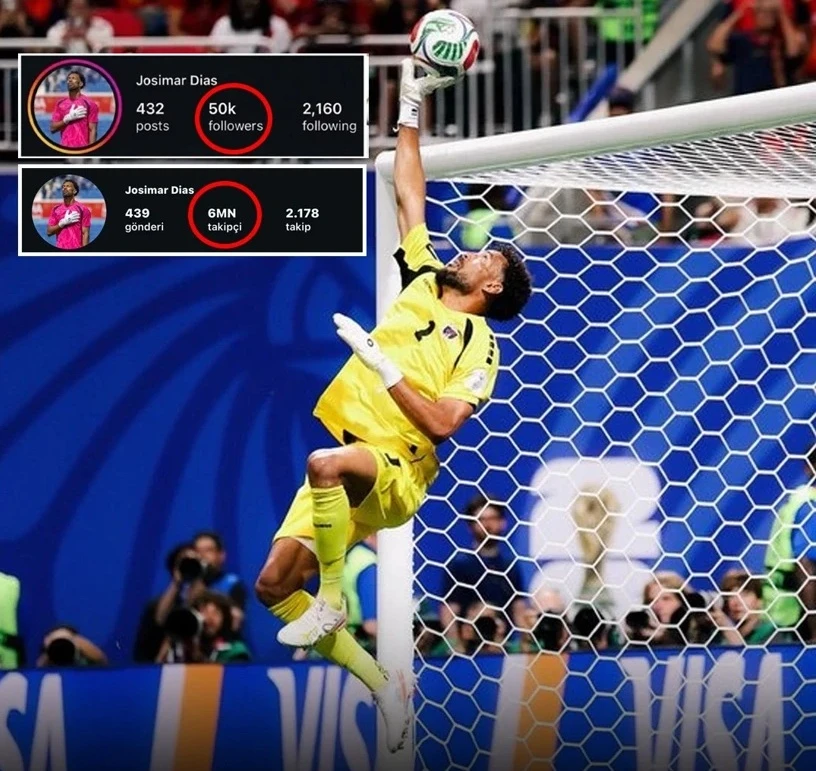


Every save was celebrated by Cape Verde supporters as if it were a goal. The performance also placed Vozinha among the rare older goalkeepers to produce a major World Cup display. One of the few comparable examples often recalled is Pat Jennings, who made 10 saves for Northern Ireland against Brazil on his 41st birthday in 1986.
His mother could not be in the stadium
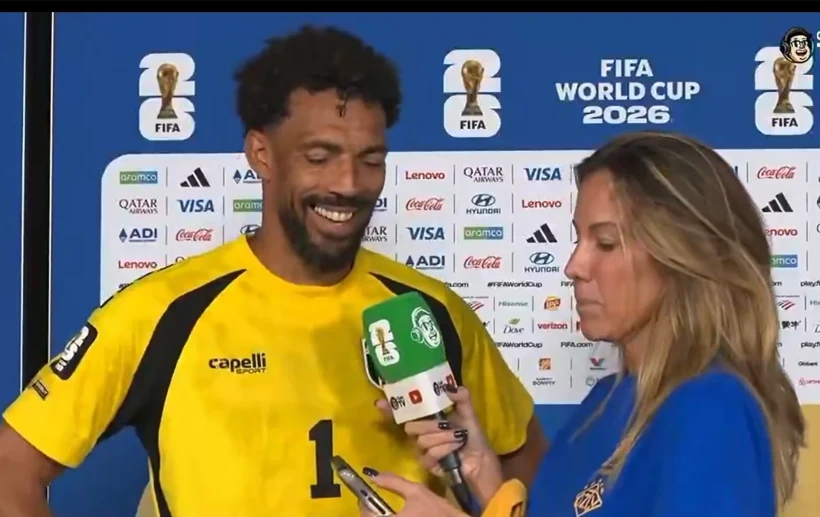
After the final whistle, Vozinha was named player of the match. But when he spoke after receiving the award, he did not begin with his saves. He spoke about his family.
The experienced goalkeeper said he was raised by his grandmother and grandfather, describing them as central figures in his life. His most emotional words came when he mentioned his mother, who was unable to attend the match because of visa and financial difficulties.
“I wish she could have been here,” Vozinha said, in a moment that added a deeply human layer to the football story.
The explanation made his performance more than a sporting achievement. Behind the clean sheet against Spain was a late-blooming career, family sacrifice, limited opportunities and a dream that had taken decades to reach the World Cup stage.
He became a professional footballer at 25
Vozinha’s route to the World Cup was far from a typical star pathway. He has said that he began playing professional football at 25, an age many players are already expected to be fully established.
“For someone like me, it was late,” he said while reflecting on his career path.
But he did not stop. Over the years, the Cape Verde goalkeeper played in Angola, Slovakia, Moldova, Cyprus and Portugal. Today, he plays for Chaves in Portugal’s second division.
When he stepped onto the pitch against Spain, Vozinha was 40 years and 12 days old. With that appearance, he was reported to have become the oldest player to represent a country in its first-ever World Cup match. The only player to make a World Cup debut at an older age was Egypt’s Essam El Hadary.
He was once overlooked because of his height
Vozinha’s football journey was also shaped by the limited opportunities available in Cape Verde. Growing up in Mindelo, he faced the same structural challenges as many young players from smaller football nations.
He has said that even when he performed well as a goalkeeper, he was often not selected because he was considered too short.
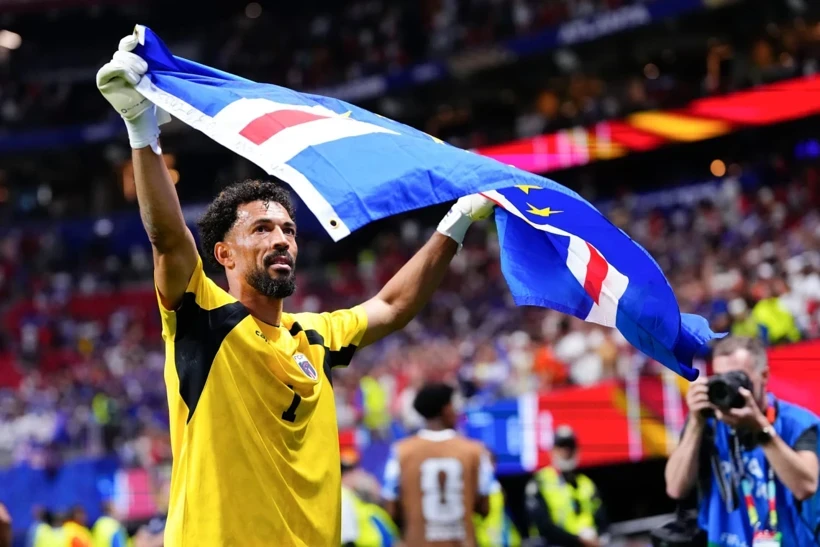
“I was one of the best goalkeepers on the island, but I was short. Even when I performed well, I was not chosen because of my height,” he said.
That rejection became part of the long road that eventually took him abroad in search of opportunity. Years later, the same player became the man who stopped Spain on the biggest stage in football.
“We came to fight for our country”
Vozinha dedicated his player-of-the-match award to his teammates, stressing that Cape Verde’s result was not the work of one man alone.
“The performance belongs to everyone. I am the man of the match, but this award is for all my teammates,” he said.
He also made clear that Cape Verde did not come to the World Cup simply to enjoy the experience. The goalkeeper said the team came to compete and to represent the country with pride.
“We came here to compete and to fight for our country,” he said.
Those words captured the wider meaning of the draw. Cape Verde was not only a debutant enjoying a historic moment. It showed that it could organize, resist pressure and compete with one of the best teams in the tournament.
A social media phenomenon overnight
Vozinha’s rise did not remain limited to the pitch. After the match, interest in the Cape Verde goalkeeper exploded on social media.
According to posts shared after the match, Brazilian broadcaster CazeTV encouraged viewers to follow him on Instagram. His follower count was then said to have jumped dramatically, with social media claims suggesting it rose from around 50,000 to 6.1 million.
Those figures quickly became part of the wider story. Vozinha was no longer just the goalkeeper who stopped Spain. He became a symbol of the kind of unexpected human drama that makes the World Cup different from any other football competition.
The nickname carries a family story
The name “Vozinha” is also part of his personal story. In Cape Verdean Creole, the nickname means “grandmother.” It was reportedly given to him when he was a child playing street football with older boys.
When young Josimar was pushed around or hurt during those games, he would go to his grandmother. Over time, his friends began calling him Vozinha, and the name stayed with him throughout his football career.
His real name, Josimar, also has football roots. His father initially wanted to name him Valdano, inspired by Argentine footballer Jorge Valdano. When that name was not registered, he was instead named after Josimar, the Brazilian player remembered for his performances at the 1986 World Cup.
A late reward for a long journey
After the historic night against Spain, Vozinha’s words sounded like the summary of a career built on patience and belief.
“We work to live moments like this. I am 40 now, but I was not a professional until I was 25. This is the reward for the whole journey,” he said.
For Cape Verde, the draw against Spain was much more than a point in Group H. It was the moment a small island nation made the world look at its football story. For Vozinha, it was the night a career that started late reached its greatest stage.
He stopped Spain, gave Cape Verde a historic World Cup beginning and became one of the first true human stories of the 2026 tournament.
What's Your Reaction?
 Like
0
Like
0
 Dislike
0
Dislike
0
 Love
0
Love
0
 Funny
0
Funny
0
 Wow
0
Wow
0
 Sad
0
Sad
0
 Angry
0
Angry
0

Editor | Wise News Press — Delivering accurate, timely global news with integrity, insight, and editorial responsibility.

















Comments (0)