



US Russia sanctions bill could expose European allies to 100% tariffs
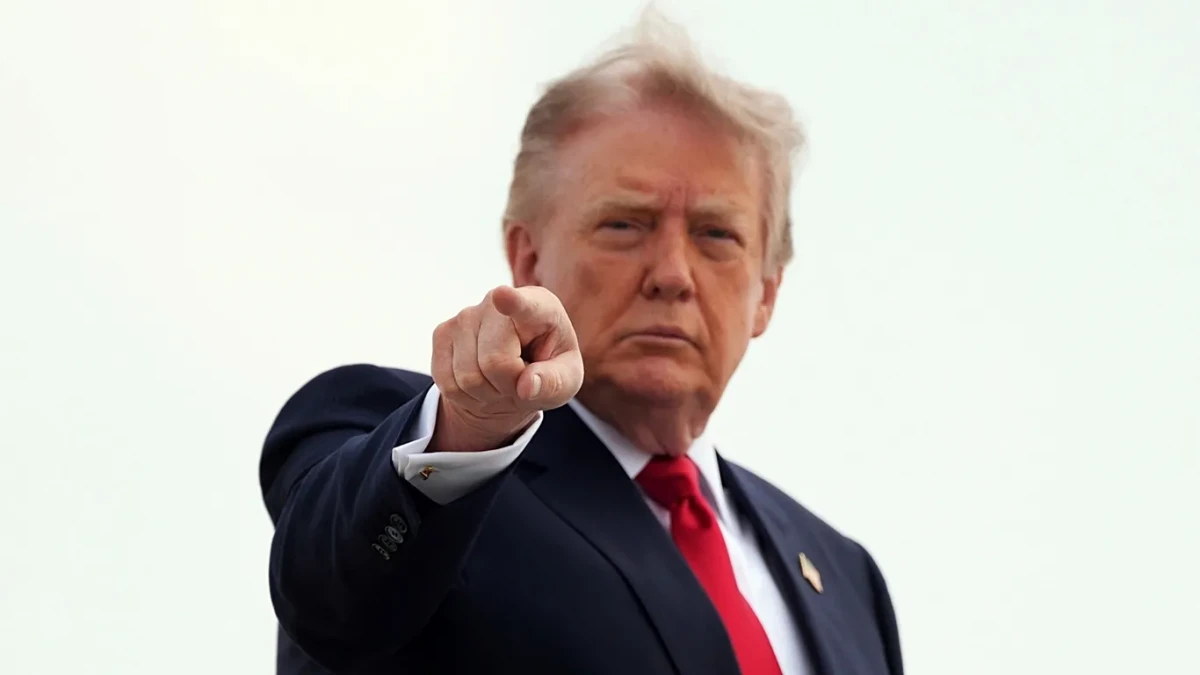
A US Senate bill targeting Russian energy revenue could let Donald Trump impose tariffs of up to 100% on major buyers, potentially including allies.


BY AHMET TAŞ | WISE NEWS PRESS
BRUSSELS, Belgium — A sweeping US sanctions bill designed to reduce Russia’s energy income could give President Donald Trump authority to impose tariffs of up to 100% on major trading partners, including American allies.
Supporters say the measure is primarily aimed at China and India, whose purchases of Russian oil and gas continue to generate revenue for Moscow. However, the wording could also expose European countries that still import Russian energy or provide shipping, financial and insurance services connected to Russian petroleum trade.
What the sanctions bill would do
The Lindsey O. Graham Sanctioning Russia Act of 2026 would impose mandatory sanctions on senior Russian political and military officials, oligarchs, state-owned companies, banks and foreign entities supporting Russia’s defence industry.
The proposed measures would cover institutions including the Central Bank of Russia, Sberbank and Gazprombank. They would also target major Russian energy projects, sanctions-evasion networks and vessels identified as part of Russia’s so-called shadow fleet.


The legislation would prohibit US persons from making new investments in Russia, purchasing Russian sovereign debt and carrying out certain financial transactions involving the Russian government. It would also restrict exports of US-origin energy products to Russia.
The bill gained new political momentum after Senator Lindsey Graham, one of its principal architects, died following a sudden illness on July 11. Senators from both parties have presented the legislation as a continuation of Graham’s effort to increase pressure on Moscow and those financing its war against Ukraine.
Section 113 creates a powerful tariff mechanism
The bill’s most controversial provision is Section 113, which addresses countries buying Russian-origin crude oil or natural gas or facilitating sanctions evasion.


Under the current text, the president would be directed to impose tariffs of up to 100% on all goods imported from countries that knowingly make new Russian energy purchases and rank among the five largest importers of Russian crude oil or natural gas.
The same authority would apply to the five countries determined to be the leading facilitators of Russian oil sanctions evasion. The legislation defines facilitation broadly to include transactions, services or activities that circumvent sanctions or help a third party do so.
The US Trade Representative would reassess the leading purchasers every 180 days. Tariff rates could then be raised, reduced or otherwise adjusted according to changes in a country’s purchasing behaviour.
An earlier version proposed tariffs as high as 500% and applied them more broadly. The revised legislation reduces the maximum rate to 100% and limits its principal reach to the five largest importers and five leading sanctions-evasion facilitators.
Why European allies could be caught
The measure’s advocates frequently identify China and India as its intended targets. Neither country is named directly in the statutory text, however, and the final lists would be determined by the US administration using import and sanctions-enforcement data.
That creates potential exposure for European countries that continue to receive Russian liquefied natural gas or pipeline energy. Hungary and Slovakia still rely on Russian pipeline supplies, while companies based in Greece, Cyprus and Malta play important roles in international oil transportation and maritime services.
Most of these shipping activities may comply with existing sanctions and oil-price restrictions. Nevertheless, the bill’s broad reference to transactions or services that help another party circumvent restrictions leaves room for disagreements over what constitutes facilitation.
Another unresolved question is how Washington would assess the European Union. The EU is a 27-member political and economic bloc rather than a single country, while Section 113 refers to a “foreign country.” Individual member states may therefore be assessed separately, even when energy and sanctions policies are coordinated at EU level.
International law specialists cited by Euronews said the bill contains substantial uncertainty over the data, methodology and criteria that the administration would use to identify the largest purchasers and sanctions-evasion facilitators.
Europe has an exemption, but no automatic protection
The legislation includes a limited exception for countries importing Russian natural gas.
Tariffs would not be imposed solely because of Russian gas purchases when a country’s imports represent less than 15% of Russia’s total annual natural gas exports and the country has taken significant steps to reduce those imports.
This provision appears capable of protecting European states that can demonstrate a credible reduction strategy. The EU has already adopted binding legislation to phase out Russian gas gradually and permanently.
Under the current European timetable, remaining long-term Russian LNG imports are due to end on January 1, 2027. Most remaining Russian pipeline gas imports are scheduled to stop by September 30, 2027, with a limited emergency extension possible until November 1, 2027.
The exemption is not entirely automatic, however. Whether a government has taken “significant steps” would still depend on an assessment by the US executive branch. The president could also waive tariffs or sanctions after certifying to Congress that doing so serves the national interest of the United States.
This discretion is central to European concerns: a country might satisfy the broad purpose of reducing Russian dependence but still become vulnerable during an unrelated trade or diplomatic dispute with Washington.
The Supreme Court ruling raises the stakes
In February, the US Supreme Court ruled that the International Emergency Economic Powers Act did not provide presidential authority to impose tariffs. The judgment removed one of the broad legal foundations Trump had used for tariff measures.
The Court stressed that tariff power belongs to Congress, although Congress may delegate defined tariff authority to the executive branch through legislation.
The proposed Russia sanctions act would constitute precisely such a delegation. Rather than relying on an expansive interpretation of emergency powers, Trump would receive explicit authority from Congress to place tariffs of up to 100% on countries meeting the bill’s criteria.
Critics therefore argue that the bill may do more than strengthen sanctions against Moscow. It could create a new congressionally approved trade weapon that the White House could use with considerable discretion.
That concern has become more prominent amid growing EU-US commercial tensions. The European Commission recently fined Google a total of €890 million for breaching the Digital Markets Act by favouring its own services in search results and restricting developers from directing consumers to alternative purchasing channels.
The dispute illustrates how disagreements over technology regulation, trade and foreign policy can overlap. Analysts fear that tariff powers created for Russia policy could be influenced by conflicts in other areas of the transatlantic relationship.
Support remains strong, but passage is uncertain
The legislation has attracted broad bipartisan backing in the Senate. On July 28, senators voted 86–12 to advance the measure, with Ukrainian President Volodymyr Zelenskyy present in Washington as lawmakers honoured Graham’s legacy and expressed support for Ukraine.
Despite that vote, the tariff provisions remain a major obstacle. Some Democratic and Republican lawmakers are concerned that tariffs on entire countries could increase prices for American consumers, disrupt supply chains and damage relations with allies.
The bill must still clear additional Senate stages. Its future in the House is less certain, where lawmakers have raised questions about inflation risks and the breadth of the authority transferred to the president.
Supporters argue that secondary tariffs are necessary because conventional sanctions have not prevented major economies from buying Russian energy. Critics counter that poorly targeted tariffs could punish allies, weaken international coordination and shift attention from Russia to disputes among Western partners.
The central issue is therefore not whether Washington should increase economic pressure on Moscow, but how much discretion Congress should give the president—and whether legislation presented as a sanctions package could ultimately become a broader instrument of trade coercion.
WiseNewsPress.com
What's Your Reaction?
 Like
0
Like
0
 Dislike
0
Dislike
0
 Love
0
Love
0
 Funny
0
Funny
0
 Wow
0
Wow
0
 Sad
0
Sad
0
 Angry
0
Angry
0

Editor | Wise News Press — Delivering accurate, timely global news with integrity, insight, and editorial responsibility.



















Comments (0)