



Zelensky offers Putin direct talks in Türkiye or Switzerland
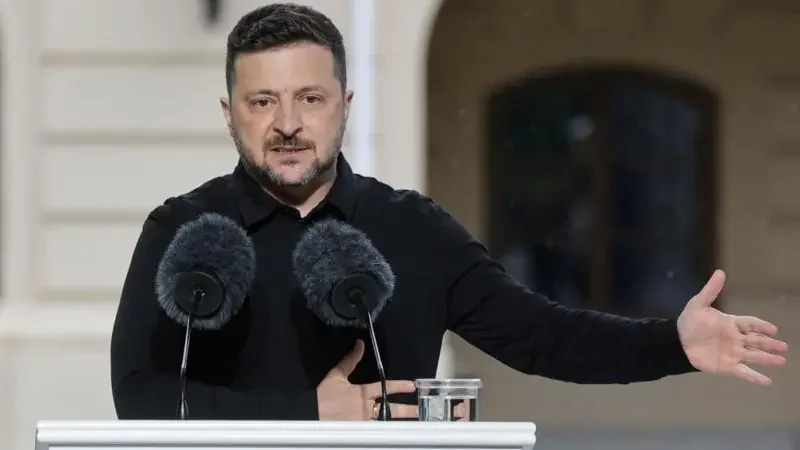
Ukrainian President Volodymyr Zelensky sent a letter to Vladimir Putin, proposing face-to-face talks in Türkiye or Switzerland and calling for a full ceasefire.


By Ahmet Taş | Wise News Press
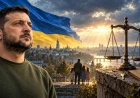
KYIV, Ukraine — Ukrainian President Volodymyr Zelensky has sent a letter to Russian President Vladimir Putin proposing direct face-to-face talks in Türkiye or Switzerland to seek a path toward ending the war.
According to BBC, Zelensky argued that peace could only be achieved through direct dialogue between Ukraine and Russia. In the letter, the Ukrainian leader also called for a full ceasefire during negotiations, saying that talks cannot be meaningful while attacks continue.
Zelensky proposes Türkiye or Switzerland
Zelensky suggested that a direct meeting with Putin could be held in a third country acceptable to both sides, naming Türkiye and Switzerland as possible venues.
Türkiye has played an important diplomatic role since the early stages of the war. Istanbul hosted previous contacts between Ukrainian and Russian delegations, while Ankara has also been involved in prisoner exchanges, the Black Sea grain corridor process and wider efforts to keep communication channels open with both Kyiv and Moscow.
Switzerland is also seen as a possible venue because of its long-standing tradition of neutrality and experience in hosting international diplomatic meetings.
By naming these two countries, Zelensky appeared to be seeking a neutral setting that could provide both political distance and practical security for any future talks.


Kremlin points to Moscow instead
The Kremlin confirmed that it had received Zelensky’s letter and said Putin would be informed about its contents.
However, Moscow responded in a familiar way, saying that Zelensky would be welcome to meet Putin in the Russian capital. For Kyiv, a meeting in Moscow is unlikely to be acceptable due to political and security concerns.
The contrast over the possible venue reflects the wider divide between the two sides. Ukraine wants a neutral diplomatic platform, while Russia continues to project Moscow as the only place where such a meeting should occur.


A full ceasefire during talks
One of the central points in Zelensky’s letter was the demand for a full ceasefire while negotiations are taking place.
The Ukrainian president argued that direct dialogue must be accompanied by a real pause in hostilities. His position suggests that Kyiv does not want negotiations to become a cover for continued Russian attacks.
Putin rejected a ceasefire proposal on June 4, according to the report. That rejection underlines the difficulty of launching a serious diplomatic process while fighting continues across the front line and Russian missile and drone attacks still target Ukrainian cities.
A ceasefire remains one of the most sensitive issues in any potential peace process. Ukraine fears that a pause without guarantees could allow Russia to regroup, while Moscow continues to demand concessions before moving toward any settlement.
Letter refers to Washington’s Iran focus
Zelensky’s letter also made a notable reference to the United States.
The Ukrainian leader wrote that Washington was now “fully focused on the Iran issue” and that it would be wrong to simply wait for the war in Ukraine to return to the top of the U.S. agenda.
This part of the letter suggests that Kyiv is looking for a broader diplomatic approach rather than relying solely on American attention.
U.S. President Donald Trump said on June 4 that he thought a meeting between the two leaders would be “great.” However, the international diplomatic agenda has become increasingly crowded, with Iran, the Middle East and wider security issues competing for attention.
Sharp and mocking language in the letter
The letter, which reportedly runs to more than 1,800 words, includes both diplomatic appeals and sharply worded criticism.
According to BBC, Zelensky wrote that after 26 years in power, Putin was beginning to show the effects of age. The letter also included language that was described as mocking in some sections and defiant in others.
Zelensky urged Putin not to fear choosing a way out of the war.
“Do not be afraid to choose a way out of this war. This is the most important thing required from you now,” Zelensky wrote, according to the report.
The tone suggests that the letter is not only a peace proposal, but also an attempt to increase psychological and political pressure on the Russian leader.
Putin says concessions are needed
Speaking to foreign journalists in St. Petersburg before seeing the full contents of the letter, Putin said he was “absolutely ready and willing” to reach an agreement with Ukraine, but added that concessions would be necessary.
Putin’s long-standing position has been that Ukraine should withdraw from four regions partially occupied by Russia — Donetsk, Luhansk, Kherson and Zaporizhzhia — and give up its efforts to join NATO.
Ukraine rejects territorial concessions, arguing that accepting Russia’s occupation would only encourage Moscow to invade again in the future.
This remains the main obstacle to any potential peace process. Kyiv insists on sovereignty and territorial integrity, while Moscow continues to demand recognition of its territorial claims and limits on Ukraine’s security choices.
Previous peace efforts failed
Several previous attempts to launch or revive peace talks have failed.
Negotiations and diplomatic contacts held in Geneva, Abu Dhabi and Istanbul did not produce a lasting settlement. The two sides remain far apart on the most important questions, including occupied territory, NATO membership, security guarantees, sanctions and accountability for war crimes.
Zelensky’s new letter appears to be an effort to break that deadlock by moving the issue directly to the leadership level.
However, even if a meeting were to take place, there is no guarantee that it would produce a ceasefire or a peace framework. The basic positions of Kyiv and Moscow remain sharply opposed.
St. Petersburg drone attack adds pressure
The timing of the letter was also notable.
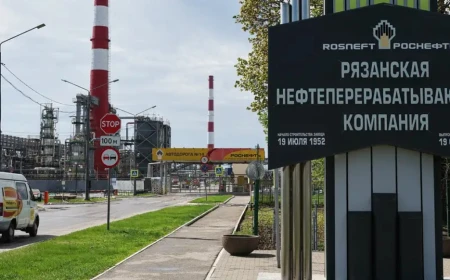
It reached Putin while he was in St. Petersburg, where the Kremlin was hosting a major economic forum with regional partners. A day earlier, Ukraine had carried out a drone attack just outside the city.
Zelensky reportedly referred to that strike in the letter as “a visit.”
Ukraine’s long-range drone strikes deep inside Russia have become an important source of pressure on Moscow. They challenge the Kremlin’s attempt to keep the war distant from major Russian cities and strategic infrastructure.
The St. Petersburg attack also added symbolic weight because the city has special importance in Putin’s political biography.
Türkiye may return to the center of diplomacy
Zelensky’s proposal once again places Türkiye among the possible centers of war diplomacy.
Ankara has maintained relations with both Ukraine and Russia while also supporting Ukraine’s territorial integrity. Türkiye’s role in past talks, grain diplomacy and prisoner exchanges gives it a unique position among NATO members.
A meeting in Türkiye would carry both diplomatic and symbolic meaning. It would show that Ankara remains one of the few actors capable of hosting a direct channel between the two sides.
At the same time, any such meeting would depend on whether Russia accepts a venue outside Moscow and whether Ukraine believes the process can protect its core interests.
Peace remains uncertain
Zelensky’s letter marks a new diplomatic initiative, but the path to peace remains uncertain.
Ukraine is calling for direct talks, a full ceasefire and a venue such as Türkiye or Switzerland. Russia continues to demand concessions and suggests Moscow as the meeting place.
The gap between these positions remains wide. A meeting between Zelensky and Putin would be a major diplomatic event, but it would not automatically end the war.
The real test would be whether such talks could produce a ceasefire, protect Ukraine’s territorial integrity and create credible guarantees against future Russian aggression.
For now, the letter signals that Kyiv wants to reopen the diplomatic track while keeping pressure on Moscow. Whether the Kremlin is ready to respond seriously will determine if Türkiye or Switzerland can become the next stage for peace talks.
What's Your Reaction?
 Like
0
Like
0
 Dislike
0
Dislike
0
 Love
0
Love
0
 Funny
0
Funny
0
 Wow
0
Wow
0
 Sad
0
Sad
0
 Angry
0
Angry
0

Editor | Wise News Press — Delivering accurate, timely global news with integrity, insight, and editorial responsibility.










Comments (0)