



Saudi Arabia's vital energy infrastructure hit despite ceasefire
Saudi Arabia reports a massive drop in oil production and pipeline flow following targeted attacks on its energy facilities during a fragile ceasefire.



BY AHMET TAŞ | WISE NEWS PRESS
RIYADH, SAUDI ARABIA — Saudi Arabia’s energy infrastructure has suffered a major blow as recent attacks on oil production facilities and the strategic East-West pipeline caused a combined output loss of over 1.3 million barrels per day.
The strikes occurred despite a fragile two-week ceasefire declared between regional powers, highlighting the extreme vulnerability of global energy supplies. According to the Saudi Press Agency (SPA), citing Ministry of Energy officials, the kingdom’s daily oil production capacity dropped by 600,000 barrels, while the flow through the vital East-West Pipeline—currently the primary route for bypassing the blockaded Strait of Hormuz—decreased by 700,000 barrels per day.
Production capacity crippled
The Ministry confirmed that the attacks resulted in one death among industrial security personnel and left seven other workers injured. The economic and operational damage is extensive, with key sites suffering significant hits. The Manifa oil field reported a drop of 300,000 barrels per day (bpd) in production capacity, while the Khurais facility also saw a 300,000 bpd decrease due to the lingering effects of the strikes.
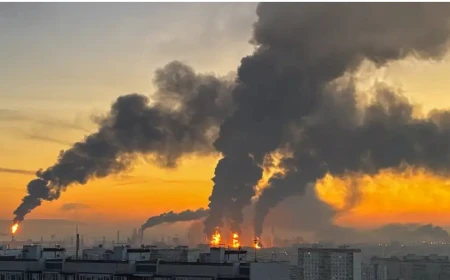
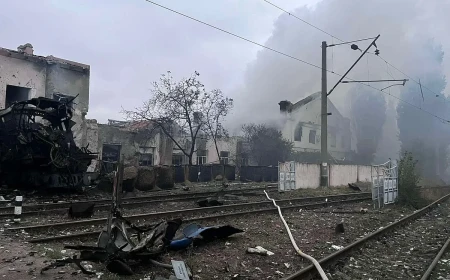
Furthermore, several major refineries including SATORP in Jubail, SAMREF in Yanbu, and the Riyadh and Ras Tanura refineries were targeted. These strikes have directly impacted the export of refined products to global markets. In Ju'aymah, processing plants faced significant fires following the bombardment, leading to further operational delays.
Strike on the last export gateway
The timing and target of the attacks are particularly alarming for global energy markets. With the Strait of Hormuz effectively under a blockade, the East-West Pipeline had become Saudi Arabia’s only viable route for transporting crude oil to the Red Sea for international export.


A pumping station along this strategic corridor was hit, reducing the daily flow by nearly 700,000 barrels. Energy analysts warn that any disruption to this specific volume is critical because it represents the "last exit" for Saudi crude that cannot pass through the Persian Gulf. Market experts suggest that these volume pullbacks will exacerbate an already tight global supply situation.
Global market impact and rising prices
Following the news of the damaged infrastructure, Brent crude prices surged by 1.2 percent, climbing to $95.92 per barrel. The Ministry of Energy warned that continued attacks would not only further reduce supply but also increase extreme volatility in international oil markets.
Official reports indicate that the production interruptions have already significantly depleted the kingdom’s operational and emergency stockpiles. This depletion severely limits Saudi Arabia’s ability to compensate for any future supply gaps, leaving the global market highly sensitive to further regional escalations.


What's Your Reaction?
 Like
0
Like
0
 Dislike
0
Dislike
0
 Love
0
Love
0
 Funny
0
Funny
0
 Wow
0
Wow
0
 Sad
0
Sad
0
 Angry
0
Angry
0

Editor | Wise News Press — Delivering accurate, timely global news with integrity, insight, and editorial responsibility.



















Comments (0)