



Ukraine's wartime education: Mykolaiv faces deep learning losses today
In part two, Alla Velikhovska explains how Mykolaiv is tackling learning losses, digital schooling and teacher shortages during the war.


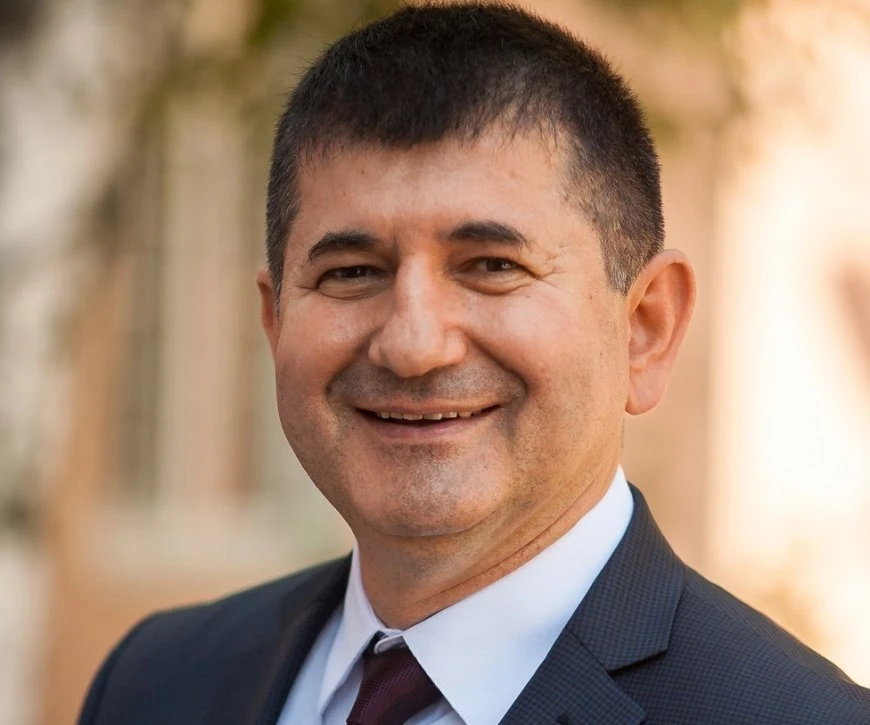
By Yusuf Inan | Wise News Press
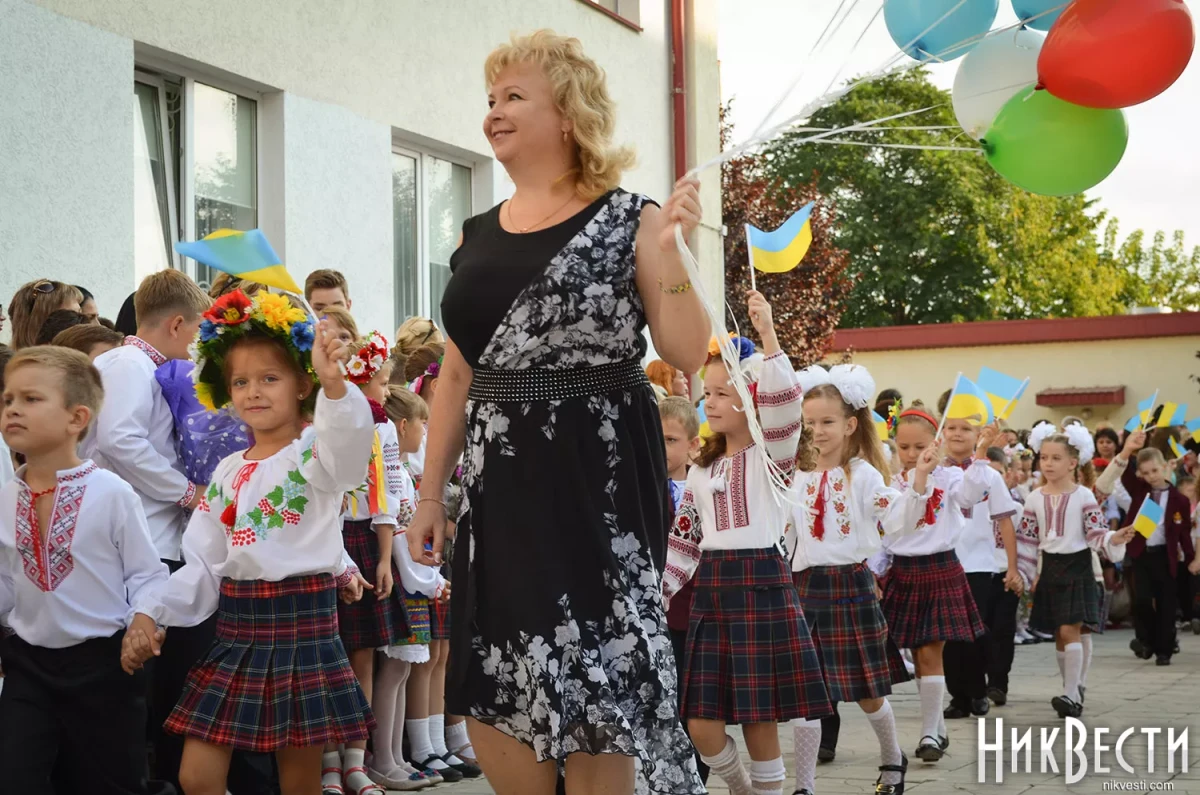
MYKOLAIV, Ukraine — In the second part of this interview, Alla Velikhovska says Mykolaiv region is facing not only damaged schools and security risks, but a deeper challenge: a generation of children shaped by war, displacement, blackouts and interrupted learning.
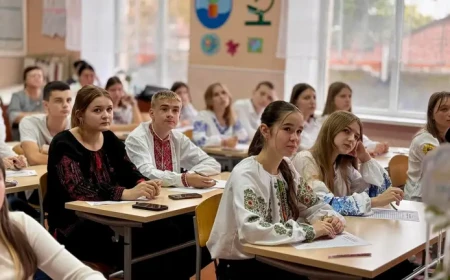
For international readers, Mykolaiv offers a clear picture of what “wartime education” means in practice. It is not only about whether pupils study online or in classrooms. It is about learning losses in mathematics and science, the limits of digital education, the lack of teachers, the emotional exhaustion of school communities and the urgent need to train educators for children whose childhood has been changed by war.
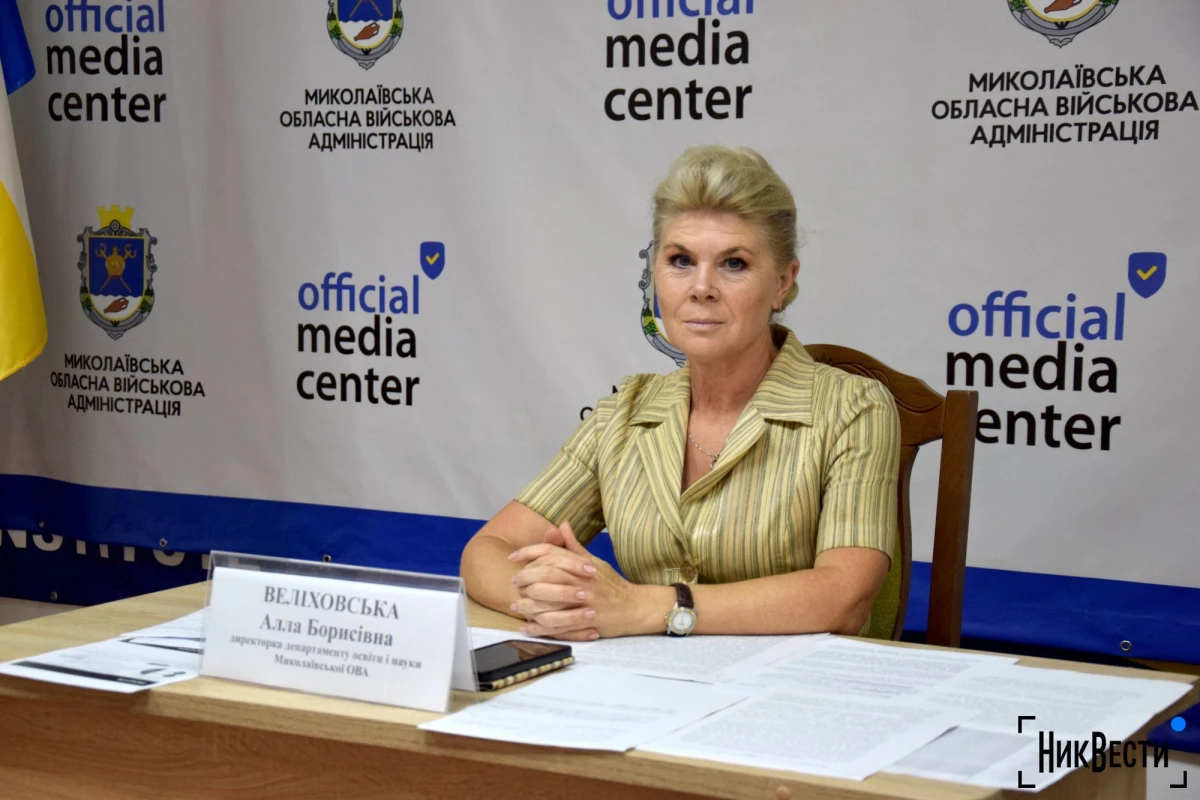
Velikhovska, director of the Department of Education and Science of the Mykolaiv Regional Military Administration, spoke to Wise News Press about learning gaps, UNICEF-backed catch-up programs, digital adaptation and the growing shortage of teachers in frontline communities.
Learning losses after years of war
Yusuf Inan: How do you assess the real scale of learning losses after several years of war, displacement and remote learning? Which subjects and age groups need the most attention?


Alla Velikhovska: We definitely have an entirely new generation of Ukrainians, and there is not yet a ready-made teaching methodology for them. We, Ukrainian teachers, are developing it every day.
At the beginning of the war, the decision to resume education was absolutely right. Literally after a week, our children were studying again. Of course, this learning was not normal in the usual sense, but it helped stop panic and despair. If there is education, then there is Ukraine. Parent chats and class chats became platforms that united school communities and maintained a connection with Ukraine for those who were forced to evacuate.
We understand that we have learning losses because of unsystematic lessons caused by evacuation, bombings, air raid alerts, reports of mined buildings and other disruptions. Exact sciences suffer most, because studying them requires consistency and additional attention. There is also a partial shortage of teachers in these subjects, especially in communities close to the combat zone.


Remote learning does not fully solve these problems either, because long blackouts make it impossible to conduct quality lessons.
Our education system is doing a lot to minimize learning losses. This includes individual plans for pupils who could not study for some time, educational platforms, summer camps, different forms of learning chosen by parents for their children, and teacher training focused on solving specific learning problems.
Charitable organizations help us greatly in this work. They finance activities, organize children’s learning in thematic camps and conduct training sessions for teachers.
UNICEF and digital education tools
Yusuf Inan: UNICEF previously highlighted catch-up programs and digital education solutions in Mykolaiv region. Which of these tools have proved effective and will continue in the 2026/2027 school year?
Alla Velikhovska: The support of one of our largest charitable partners, UNICEF, is invaluable. They were among the first to come to Mykolaiv region’s aid as soon as the enemy was pushed beyond the region. Since January 2023 and until today, we have been holding the educational front together.
This includes shelters, thanks to which our children have the opportunity to study in person. It includes digital learning centers, which became the first hubs on de-occupied and restored territories. In these centers, children, students and parents were able to continue studying and working. Such centers use digital programs designed to overcome learning losses.
This also includes the creation of spaces for young children in frontline and de-occupied territories, where developmental activities are held twice a week for children aged three to five. This is especially important for children who have lived through the horror of war. They get used to collective activity, train their memory and develop reading, writing and listening skills.
UNICEF support also includes digital training for teachers and pupils, financial assistance for educational institutions aimed at purchasing teaching tools and equipment, and much more. I could list these areas for a long time.
Digital learning after the war
Yusuf Inan: Your own academic work is connected with network technologies, digital educational environments and professional teacher development. Has the war changed your personal view of the balance between digital and in-person education after the war?
Alla Velikhovska: When I defended my dissertation in 2011 on the use of network technologies in education, I could not have imagined the conditions under which I would see the results of my research. First came COVID, then war.
Many people think that remote learning means only learning through digital tools. No, it is an entirely different form of teacher preparation, lesson structure, assessment of pupils’ knowledge, methodology and didactics. It is also about motivating pupils to learn. It is conducting a lesson in a “classroom” where the child’s parents may also be present. One thing is live emotion; another is emotion through a monitor.
Now we have experience with the blended model of learning.
I recently read in a local publication, NikVesti, that since the beginning of the full-scale war, sirens in Mykolaiv region have sounded more than 4,500 times, and the total duration of threats has exceeded four months of continuous time in shelters. The enemy is increasingly using night and morning drone attacks, which often occur exactly when children are preparing to go to school. Therefore, we must respond quickly and adapt the educational process to the realities of our life.
What will happen after the war? There will be a new system of teaching children in Ukraine, different from the old one. It will have a place for both in-person and remote learning. Our teachers are professionals. They quickly master new technologies, they are stress-resistant and devoted to their work. Each of them has a unique method of teaching pupils under any conditions.
I think there will be schools or classes where children study in person, and there will also be those where children study exclusively remotely.
A model has also been tested in which exact sciences are studied in the classroom, while humanities are studied remotely. In both cases, pupils study under the guidance of a teacher.
Teacher shortages in frontline communities
Yusuf Inan: In 2026, you publicly spoke about a shortage of teaching staff. The regional council also described a significant shortage of teachers in natural sciences, mathematics and practical psychology. How serious is this problem today, and which communities feel it most?
Alla Velikhovska: Indeed, the region now feels a shortage of teaching staff. There are many reasons, but the main one is war.
The teaching profession is no longer as popular as it used to be. Fewer school graduates choose pedagogical specialties. Moreover, this profession requires a calling, similar to medicine. Otherwise, it is difficult.
Some teachers evacuated to other regions or countries at the beginning of the full-scale invasion. If they evacuated from combat zones and their homes were destroyed, they moved to other regions. Over four and a half years, many of them have settled there and no longer plan to return. Those who do plan to return are waiting for calmer times.
Some teachers, especially men, voluntarily joined the defense of the state. I emphasize voluntarily, because Ukraine has a moratorium on the mobilization of teachers.
There are many other reasons. In de-occupied territories, or where educational institutions were destroyed, there are fewer pupils and incomplete classes, so more teachers are needed than under normal conditions. In frontline areas, transporting children from one village to another for classes is dangerous, because enemy drones hunt civilian transport. They do not care whether it is an ambulance or a yellow school bus.
Dual education and new paths into teaching
Yusuf Inan: You support the development of dual education as one way to attract young specialists to schools. How exactly could this work for future teachers of mathematics, physics or other subjects where there is a shortage?
Alla Velikhovska: I am ready to support any path that helps young people come to work in schools. More seriously, we are really looking for ways to solve this problem.
Literally yesterday, we met with the Council of Rectors of higher education institutions in Mykolaiv region and jointly developed a model under which students of other specialties could work as teachers while continuing their studies at university.
The state has developed a multi-step mechanism for increasing teachers’ salaries. Some communities allocate additional payments for teachers. But only those communities whose economies have not been destroyed can afford such payments. Unfortunately, frontline communities do not have this opportunity.
We are also waiting for the return of those teachers who are currently serving in the Armed Forces of Ukraine.
In addition, we work with communities. Each of them has its own specific conditions.
What keeps young teachers in schools
Yusuf Inan: In your view, what keeps a young teacher in Mykolaiv region today: salary, housing, safety, professional support, career development or a sense of mission? Which of these factors can the region realistically influence?
Alla Velikhovska: Each community develops its own model of support for young specialists: service housing, one-time support payments, a convenient lesson schedule and other measures. We can only dream of a safe and peaceful life for now. But I can say a lot about the sense of mission.
I am proud of every teacher in Mykolaiv region. Teachers in the six communities that were under occupation did not collaborate with the enemy. They were threatened. Parents were intimidated and told that if they did not bring their children to occupation schools, the children would be taken away and adopted in Russia. But the occupiers failed to restore education.
A completely new type of educational institution appeared: a virtual one. There are teachers from the same school scattered around the world, some of them still in occupied territory. There are children who are also scattered around the world. And there is an educational space where lessons are held every day according to schedule, tests are written, semester grades are given, class hours are conducted, and olympiads, competitions and contests take place.
I want to give an example of heroic behavior by a teacher. When her village was occupied by the enemy, she continued to conduct lessons for her pupils every day according to the schedule. She found a place in her yard where the internet worked. Her husband built a small wooden structure there to hide the laptop. It must be understood that this person risked her life every day. A Ukrainian textbook could have cost someone their life.
The second case is no less moving. A primary school teacher, as soon as her village was liberated, began inviting pupils to her yard and teaching them there. Her house was half-destroyed, and she herself suffered from panic attacks. Yet she did not only teach lessons. She also did morning exercises with the children, taught them Ukrainian songs and organized movement activities. In other words, she tried to return children to childhood as quickly as possible.
WiseNewsPress.com
What's Your Reaction?
 Like
0
Like
0
 Dislike
0
Dislike
0
 Love
0
Love
0
 Funny
0
Funny
0
 Wow
0
Wow
0
 Sad
0
Sad
0
 Angry
0
Angry
0
Yusuf İnan is a journalist, columnist, strategic analyst and head of the Wise News Press Media Group. His work focuses on international affairs, geopolitics, security and major social issues. Through his journalism, he promotes peace, dialogue, mutual understanding and responsible reporting while contributing to the development of international media projects.











Comments (0)