



Early breast cancer diagnosis and holistic care protect quality of life
Experts say early breast cancer diagnosis, tailored treatment and support for sleep and mental health can help preserve patients’ quality of life.



By Ahmet Taş | Wise News Press
ISTANBUL, TÜRKİYE — Experts say early breast cancer diagnosis, timely treatment tailored to tumor biology and holistic support can improve clinical outcomes while helping patients preserve their quality of life.
Breast cancer is the most commonly diagnosed cancer among women in Türkiye. A national registry study involving nearly 20,000 patients found a relatively young median age at diagnosis and a significant proportion of women diagnosed before the age of 40.
Specialists stress that early detection alone is not enough. Accurate pathological assessment, identification of the cancer subtype, timely treatment and attention to patients’ physical and psychosocial needs are also essential parts of care.
What the national registry data show
A national study evaluated the records of breast cancer patients registered at 36 medical centers across Türkiye. After data review and cleaning, 19,503 women were included in the analysis.
The median age at diagnosis was 51, while 17.2% of the patients were younger than 40. The findings indicate that approximately one in every six patients in the study received a breast cancer diagnosis before the age of 40.
The results underline the importance of raising breast health awareness across different age groups. However, screening and follow-up plans should be determined according to age, family history, genetic predisposition and individual risk factors.
Women with a strong family history or known genetic risk may require a monitoring program different from the standard population-based screening schedule.
Early detection must be followed by the right treatment
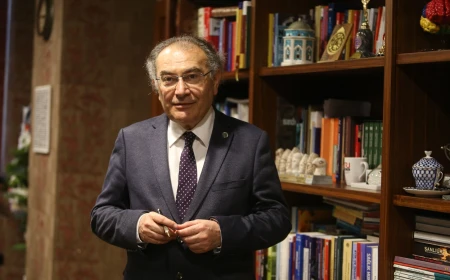
Professor Özlem Sönmez said breast cancer is not a single disease and includes several subtypes with different biological characteristics, clinical courses and treatment requirements.
Sönmez emphasized that the advantage provided by early detection should be supported by accurate pathological evaluation and treatment tailored to both the patient and the tumor.
“The advantage provided by early diagnosis must be completed with accurate pathological evaluation and timely treatment tailored to the patient and the tumor.”
When breast cancer is detected at an early stage, appropriate and timely treatment can increase the likelihood of controlling the disease. Specialists also emphasize the importance of avoiding unnecessary delays between diagnosis and the start of treatment.
Treatment decisions may depend on the stage of the disease, tumor size, lymph node involvement, hormone receptor status, HER2 status, the patient’s general health and other clinical factors.
Breast cancers do not all behave in the same way
Different breast cancer subtypes can vary substantially in how they progress and respond to treatment. For this reason, a treatment approach that is appropriate for one patient may not be suitable for another.
Triple-negative breast cancer is considered one of the more challenging subtypes because it can grow and spread more quickly than some other breast cancers and may carry a higher risk of recurrence.
Sönmez said scientific advances have expanded treatment options in this field. She added that treatment should be planned according to the stage and biological characteristics of the disease, the patient’s general condition and any previous therapies.
Specialists say clinical success should not be measured only by changes in tumor size or control of the disease. The patient’s physical, emotional and social needs should also be assessed throughout treatment.
Sleep and psychological health affect quality of life
A breast cancer diagnosis can affect far more than physical health. Patients may experience changes in sleep, employment, family relationships, social life and plans for the future.
A 2025 study involving 601 women with breast cancer in Türkiye found clinically significant poor sleep quality in 33.2% of participants. Patients who reported poor sleep also had higher anxiety and depression scores.
The findings support the inclusion of sleep assessment, psychological screening and individualized psychosocial assistance in comprehensive oncology care.
Sleep problems may be connected to several factors, including emotional distress, treatment-related side effects, pain, hormonal changes and concerns about the future. Recognizing these difficulties can help healthcare teams identify patients who may require additional support.
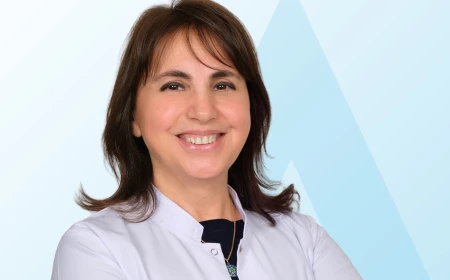
Deepshikha Kiyawat, general manager of Gilead Türkiye, said scientific progress becomes more meaningful when it improves patients’ daily lives. She noted that family, work, relationships, personal goals and future plans are inseparable parts of the patient experience.
“Behind every diagnosis is a woman with a life and hopes”
Seral Çelik, president of the Pembe İzler Women’s Cancers Association, said a breast cancer diagnosis can affect many areas of life, from family relationships and employment to social participation and future plans.
Çelik said the association aims to tell every woman facing the disease that she is not alone. She emphasized the importance of providing patients with reliable information, emotional support and opportunities to connect with others who have faced similar experiences.
Every patient’s experience is different, Çelik said, adding that medical treatment should be accompanied by social solidarity and appropriate psychological support.
Supporting patients throughout diagnosis and treatment may also involve helping them communicate with family members, manage their working lives and adapt to changes in their daily routines.
Science, art and patient experience meet in Istanbul
The different dimensions of living with breast cancer were addressed during Breastanbul 2026, held in Istanbul on October 10, 2026.
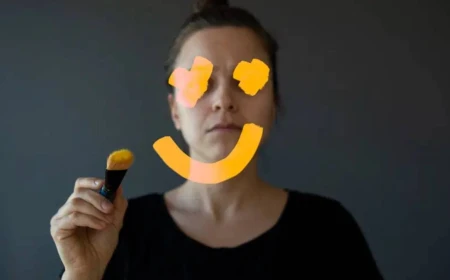
As part of the program, “Dantel,” a musical storytelling performance written, directed and performed by Özlem Tokaslan, presented the experiences of a woman living with breast cancer through art and humor.
Another session, titled “My New Journey,” brought together five physicians from different specialties and five women with personal experience of breast cancer.
Participants discussed developments in diagnosis and treatment, the challenges patients face in everyday life and the importance of listening to patient experiences alongside clinical evidence.
Organizers said the program was designed to bring scientific knowledge, artistic expression and the voices of patients into the same conversation.
Who is covered by Türkiye’s screening program?
Under Türkiye’s national screening program, women between the ages of 40 and 69 are eligible for free mammography every two years. An annual clinical breast examination is also recommended for women in this age group.
Population screening is intended for women who do not have symptoms. Women who notice a lump in the breast or armpit, changes in breast shape or skin, nipple retraction or unusual nipple discharge should seek medical assessment without waiting for their next routine screening appointment.
A family history of breast cancer, a known genetic predisposition or previously identified high-risk findings may require a different follow-up schedule. Individual risks and the appropriate interval between examinations should be discussed with a qualified healthcare professional.
Experts emphasize that the benefits of early breast cancer diagnosis are greatest when detection is followed by timely treatment, accurate clinical planning and supportive care that considers the patient’s life as a whole.
WiseNewsPress.com
What's Your Reaction?
 Like
0
 Dislike
0
 Love
0
 Funny
0
 Wow
0
 Sad
0
 Angry
0

Ahmet Taş is a journalist, editor and Turkey Office Manager of the Wise News Press Media Group. He works across news, digital media and international publishing, focusing on accurate, responsible and accessible journalism. He contributes to the development of media projects that bring important political, social and global developments to a wider international audience.


















Comments (0)