



Russia, Türkiye and the Turkic world: who will shape peace in Ukraine?
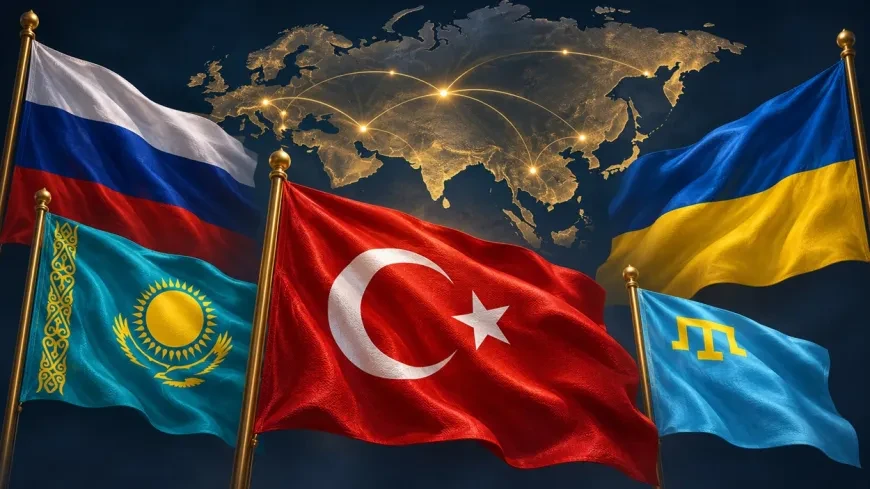
Yusuf İnan traces his 2018 Mykolaiv festival proposal and call to invite Ukraine to the OTS, examining Russia’s ambitions and prospects for a peace meeting.


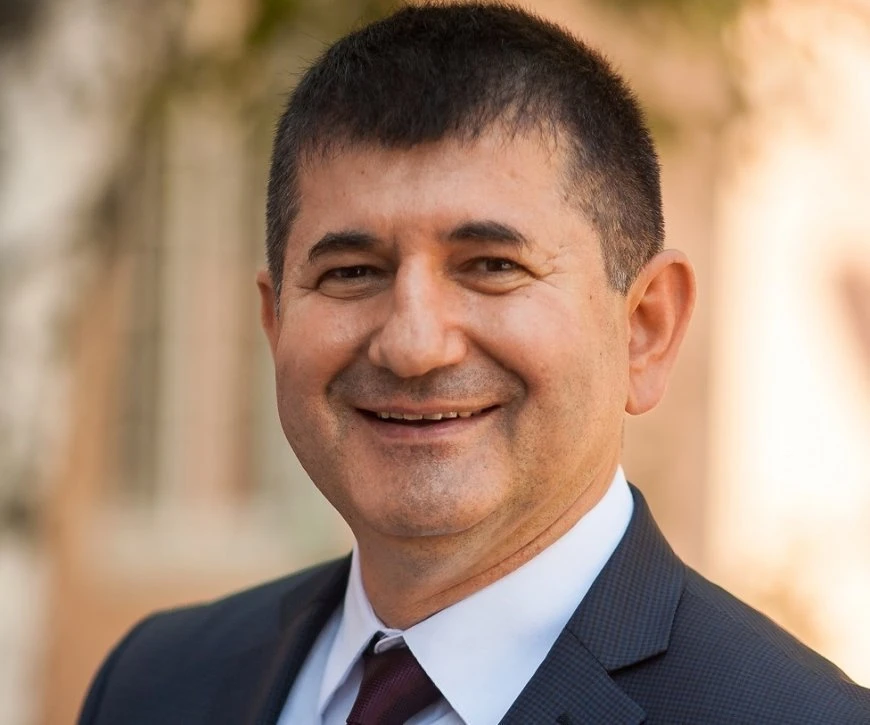
By Yusuf İnan | Wise News Press
Journalist and author | Political and strategic analyst
MYKOLAIV, UKRAINE — Russia’s interest in the Organization of Turkic States (OTS) revives the question behind my 2018 Mykolaiv festival proposal: how can the Turkic world safeguard an independent voice for peace?
My starting point was a shared table. I still believe Türkiye, the Turkic world, Ukrainians and Crimean Tatars should be able to gather around peace, solidarity and generosity. I view Moscow’s latest move through that history and the continuing war.
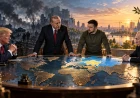
The table for peace we envisioned in Mykolaiv in 2018
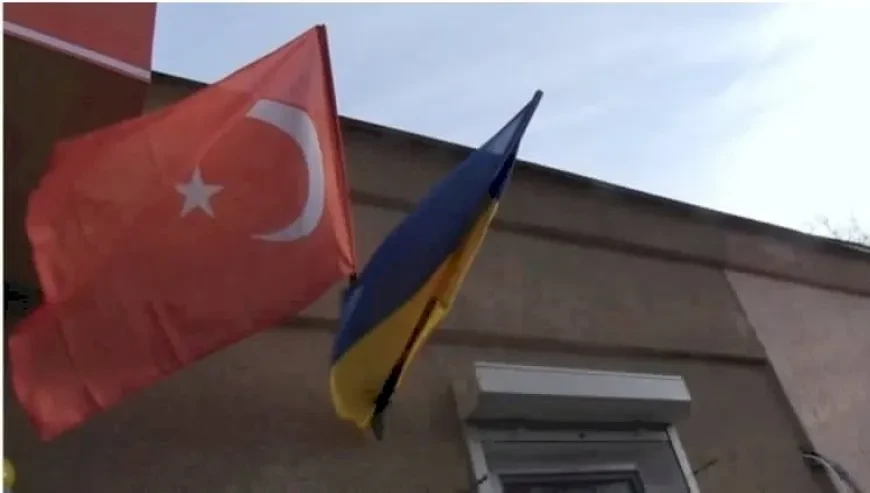
PHOTO: Ukraine / Mykolaiv / Fond İnan / 2016 - Fondinan.com Archive
For Eid al-Adha in 2018, we began preparing a major Turkic World Festival through Fond İnan in Mykolaiv, Ukraine. We envisaged holding it on approximately 10 hectares in the Zaichevske area.
Our plans included slaughtering 100,000 rams and distributing the meat, alongside large barbecue installations and döner stands. These were targets for the proposed event. Its purpose was to bring people together around a shared holiday table.
I proposed that President Recep Tayyip Erdoğan convene the event, inviting Turkic heads of state, Ukraine’s then president and ministers, and Crimean Tatar leaders. Before Turkish, Ukrainian and international media, they would deliver messages of peace, love and sharing.
The proposed gathering never happened. I maintain that the festival was obstructed. Why that image of solidarity never emerged remains an unanswered question for me.
Sharing food was my way of building a human connection between Ukraine and the Turkic world. We wanted Mykolaiv to become associated with friendship and a shared table, carrying a message across languages and faiths.
Who stood behind the festival’s obstruction?
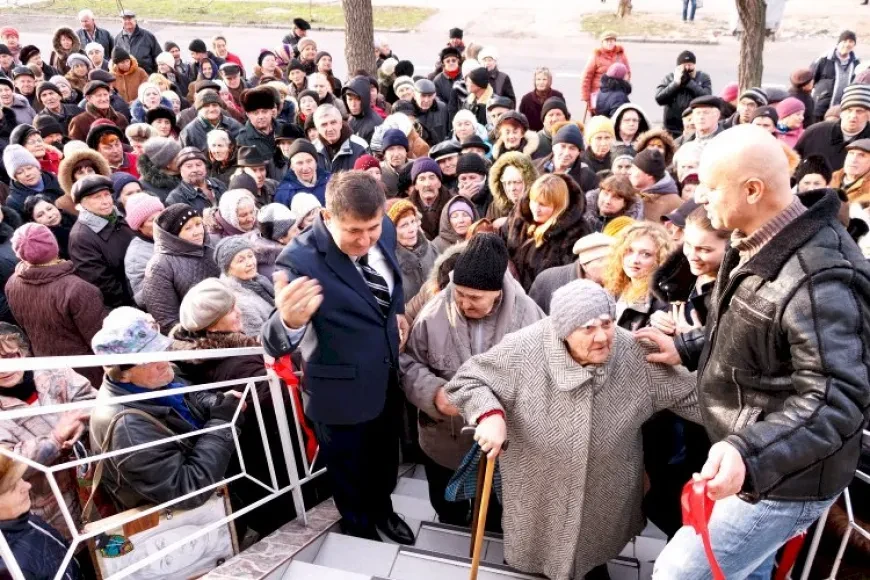
PHOTO: Ukraine / Mykolaiv / Fond İnan / Yusuf İnan and the Opening of Fond İnan / December 01, 2016 - Fondinan.com Archive
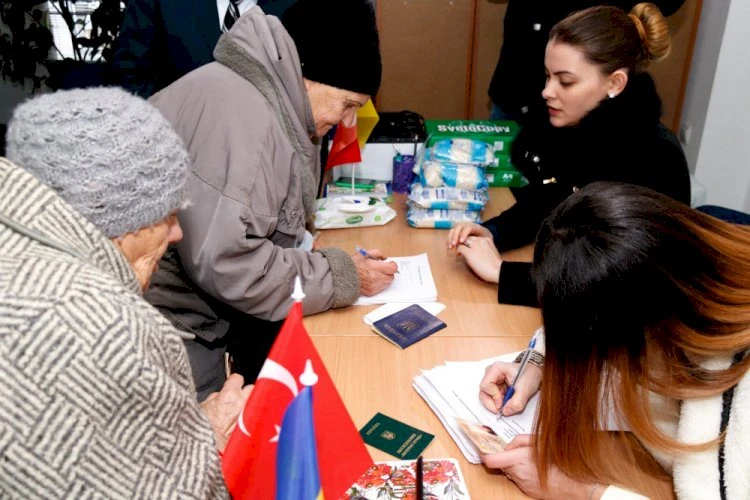
PHOTO: Ukraine / Mykolaiv / Fond İnan / 2016 - Fondinan.com Archive
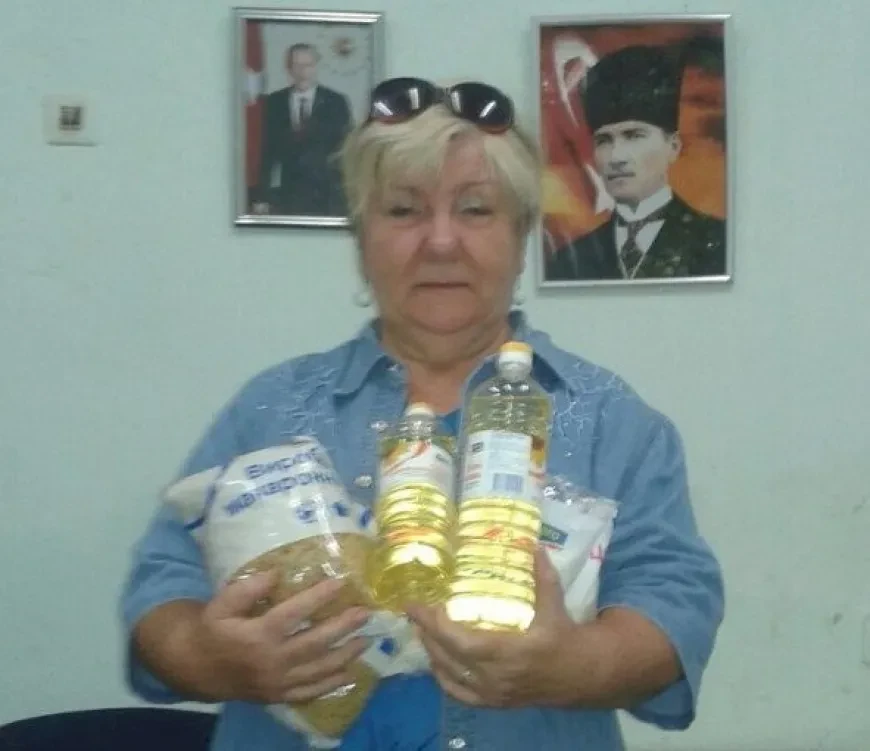
PHOTO: Ukraine / Mykolaiv / Fond İnan / 2016 - Fondinan.com Archive
Who did not want Erdoğan and Turkic leaders meeting in Ukraine? Who would have been troubled by Ukrainians and Crimean Tatars sharing that table? The answers concern more than a personal project: they concern a missed opportunity for solidarity.
I believe Russia may have opposed such a rapprochement and could have played a role in obstructing it. I cannot substantiate that possibility here. The festival’s failure alone does not establish Russian involvement.
My request is that the circumstances and any possible outside influence be clarified. Investigating responsibility and assessing evidence are matters for Ukraine’s competent institutions.
Watching Russia’s approach to the OTS revives those questions. I wonder whether, in both periods, direct ties between the Turkic world and Ukraine encountered Moscow’s calculations about regional influence.
What was lost was an opportunity for people to meet directly and leaders to appear together among them. Understanding why that opportunity disappeared also matters for the future of similar initiatives.
Three days after my Ukraine appeal, a proposal for Russia
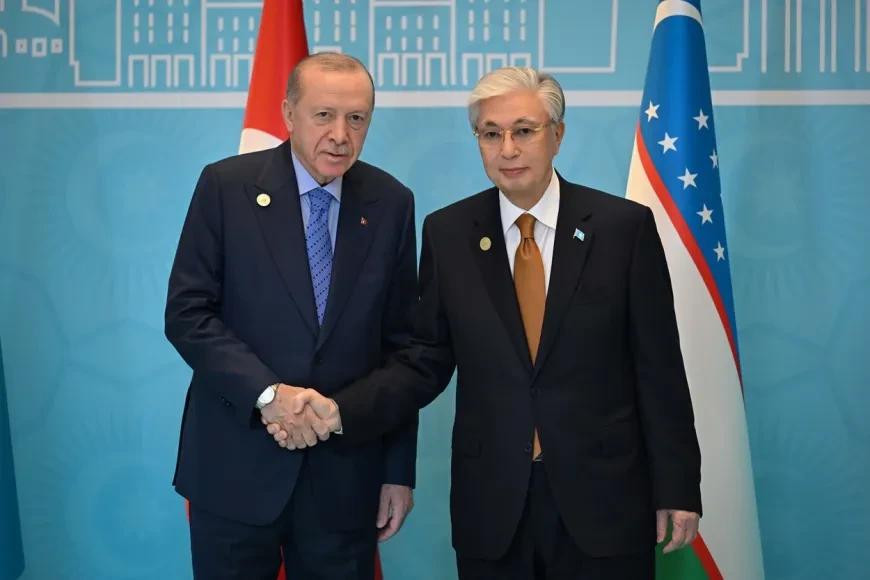
PHOTO: 13th Summit of the Organization of Turkic States (OTS) in Ankara / President Recep Tayyip Erdoğan and President of Kazakhstan Kassym-Jomart Tokayev
In my analysis published on October 27, 2026, I proposed inviting Ukrainian President Volodymyr Zelenskyy, or a delegation he designated, to OTS meetings alongside leaders of the Mejlis of the Crimean Tatar People.
I envisaged participation coordinated by Ukraine’s Foreign Ministry, providing a platform to explain the war and the suffering of Ukrainians and Crimean Tatars directly. Their experiences deserved greater visibility across the Turkic and Islamic worlds.
I circulated my analyses as press announcements to Ukrainian institutions, the Mejlis, the OTS, relevant embassies in Ankara, presidential press offices and major media organizations.
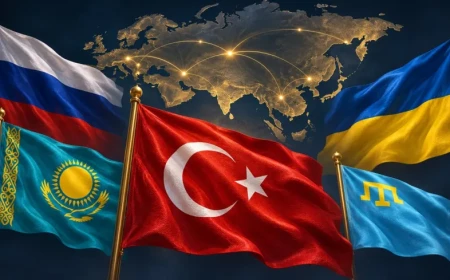
Three days later, on October 30, Kazakhstan’s President Kassym-Jomart Tokayev proposed Russian participation through OTS+ or as an observer. Kremlin spokesman Dmitry Peskov responded positively on November 2.
The sequence is noteworthy, but does not show that my appeal caused Tokayev’s proposal. My question is what Russia seeks from the platform where I wanted Ukraine’s voice heard.
I wanted suffering reduced to statistics to acquire a human face before Turkic leaders and their publics, with Ukrainians and Crimean Tatars speaking for themselves. That need remains.
Is Moscow seeking to control the Turkic world’s momentum?
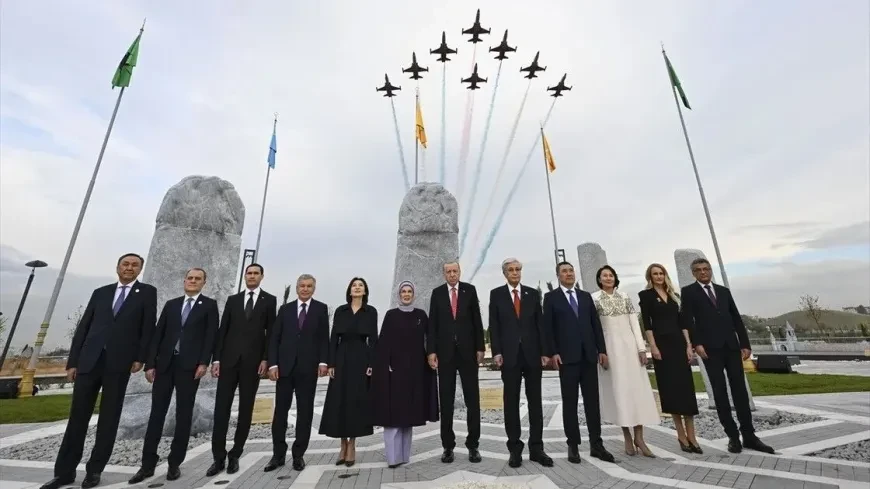
PHOTO: 13th Summit of the OTS – Heads of State and their families at the Turkic States Civilization Park
In comments reported by Vedomosti, Peskov cited Russia’s Turkic peoples while stressing participation by the federation as a whole. He also said Moscow had received no formal invitation. Participation had therefore not been finalized.
I see a possible effort to influence independently developing Turkic relationships from within. Moscow may seek to balance the OTS’s growing room for maneuver and keep questions of identity among Russia’s Turkic peoples under central state representation.
Two situations must be distinguished. OTS member countries are independent sovereign states; Turkic peoples and republics within the Russian Federation occupy a different position. By a perceived break with Moscow, I mean these states developing more autonomous partnerships and the political effects this could produce.
An October 8, 2026, consultative meeting of Central Asian and Azerbaijani leaders, documented by Uzbekistan’s presidency, illustrates regional contacts without Russian participation. That does not establish an anti-Russian purpose.
My concern is that Russian participation could make independent solidarity more responsive to Moscow’s preferences. This deserves scrutiny without diminishing member states’ agency. It raises the same question of influence, while proving nothing about the 2018 festival.
The war’s human cost cannot be left outside the room
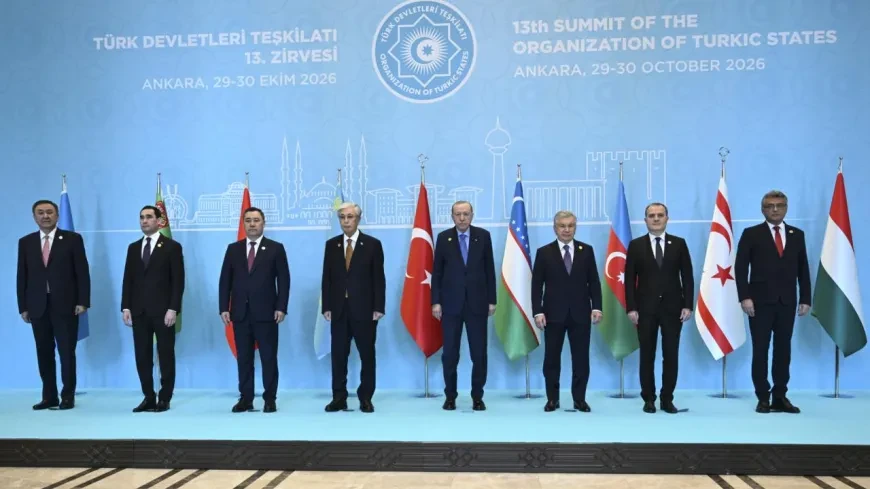
PHOTO: Leaders of the Organization of Turkic States at the 13th Ankara Summit
If Russia is sincere about closer ties with the Turkic world, it should demonstrate this by ending the war and withdrawing from occupied Ukrainian territory, including Crimea. Peace must rest on Ukrainian sovereignty and people’s freedom to live in their country.
The UN Human Rights Monitoring Mission verified at least 328 civilians killed and 2,105 injured in September 2026 alone. Its October 16 statement described energy infrastructure attacks deepening civilian suffering.
Power cuts, disrupted water and heating, and interrupted education are daily realities. The UN’s children and armed conflict assessment also describes electricity cuts undermining online learning.
In March 2026, the UN Commission of Inquiry concluded that Russian authorities’ deportation and forcible transfer of Ukrainian children amounted to crimes against humanity.
The World Food Programme reports that 2 million people need food and livelihoods assistance, with some frontline families skipping meals so their children can eat.
Displaced millions, separated families and lost young lives give this war its human weight. Crimean Tatars’ demands for freedom belong in that picture. Diplomatic appearances must never take precedence over human life.
Remembering the table we wanted to share in 2018, I now think of children struggling to meet basic needs.
Nariman Dzhelyal’s story and Türkiye’s opportunity
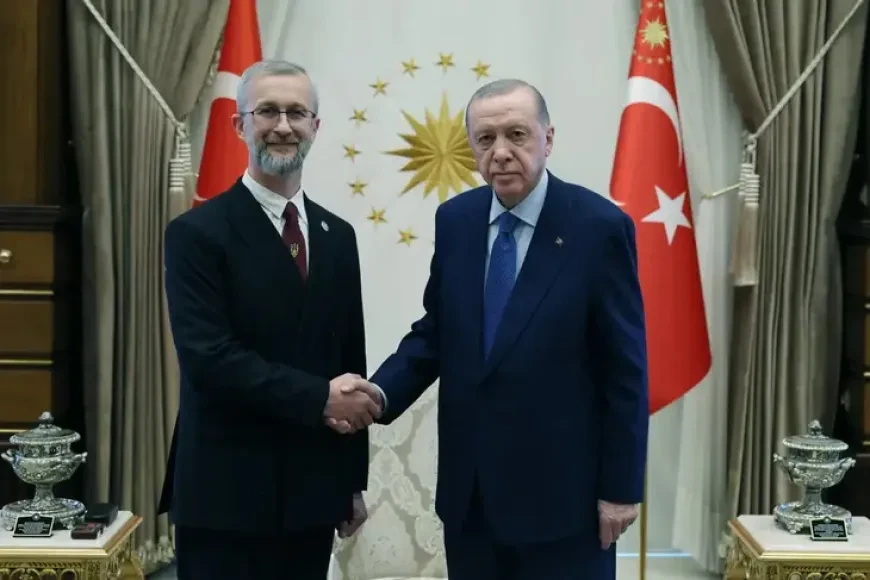
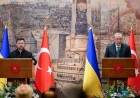
PHOTO: Ukrainian Ambassador to Ankara Nariman Celal, President Recep Tayyip Erdoğan
Ukraine’s ambassador to Türkiye, Nariman Dzhelyal, embodies this human dimension. A Mejlis leader sentenced to 17 years in prison, he regained his freedom in a prisoner exchange on June 28, 2024.
In an interview with Suspilne, he described negotiations pursued by Erdoğan and Zelenskyy as contributing to his protection. Someone who experienced the human significance of such diplomatic efforts now represents Ukraine in Ankara.
Türkiye’s Foreign Ministry reiterated on March 16, 2026, that it does not recognize Crimea’s illegal annexation and supports Ukraine’s independence, sovereignty and territorial integrity. It also pledged to keep Crimean Tatars’ situation on the agenda.
Together with Türkiye’s OTS chairmanship, this position presents a political opportunity. I want peace efforts to keep Ukraine’s rights and Crimean Tatars’ freedom clearly in view.
Could the OTS convene a special meeting for peace?
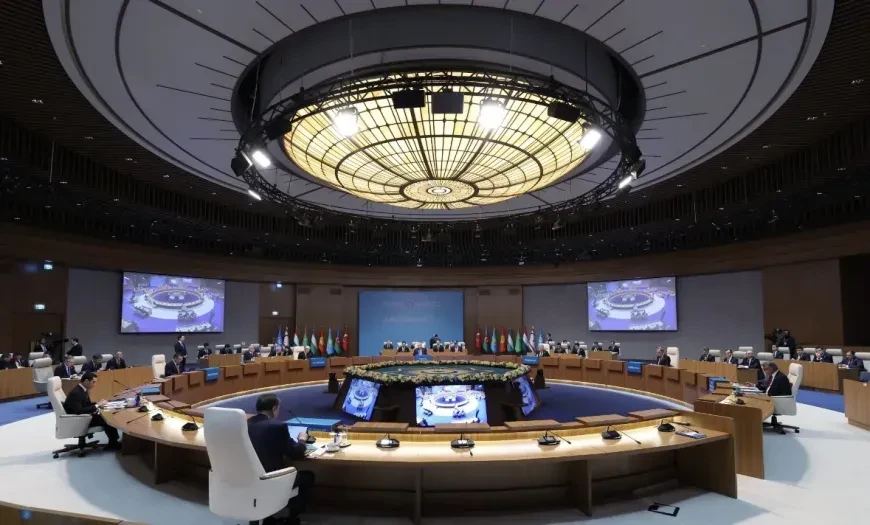
PHOTO: 13th Ankara Summit of the OTS (Organization of Turkic States)
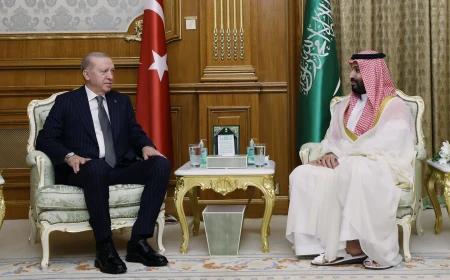
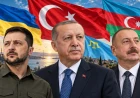
Türkiye assumed the OTS chairmanship from Azerbaijan on October 30. Could Erdoğan lead a special meeting where Ukraine and Crimean Tatars are heard directly, and Russia’s willingness to end the war and occupation is tested?
My proposal is for a shared Turkic commitment to peace. A meeting confronting the war’s human consequences could place Russia’s claims of cultural affinity alongside concrete expectations of peace.
If Russia attends, its presence must not obscure that suffering. A government seeking closer Turkic ties should also listen to Ukrainians and Crimean Tatars. Sincerity must find expression in conduct that ends war and restores freedom.
The questions surrounding the obstructed Mykolaiv festival deserve answers. Ukraine’s participation in OTS discussions deserves consideration. Russia’s ambitions should be assessed against the Turkic world’s independent agency and prospects for peace.
The message of our proposed 2018 table remains unchanged: people should be able to live together, share and improve one another’s lives. That remains the heart of my appeal.
Yusuf İnan
WiseNewsPress.com
What's Your Reaction?
 Like
0
 Dislike
0
 Love
0
 Funny
0
 Wow
0
 Sad
0
 Angry
0
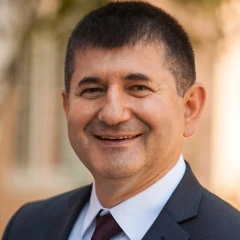
Yusuf İnan is a journalist, columnist, strategic analyst and head of the Wise News Press Media Group. His work focuses on international affairs, geopolitics, security and major social issues. Through his journalism, he promotes peace, dialogue, mutual understanding and responsible reporting while contributing to the development of international media projects.






Comments (0)