



WHO warns schistosomiasis parasite spreading to new countries
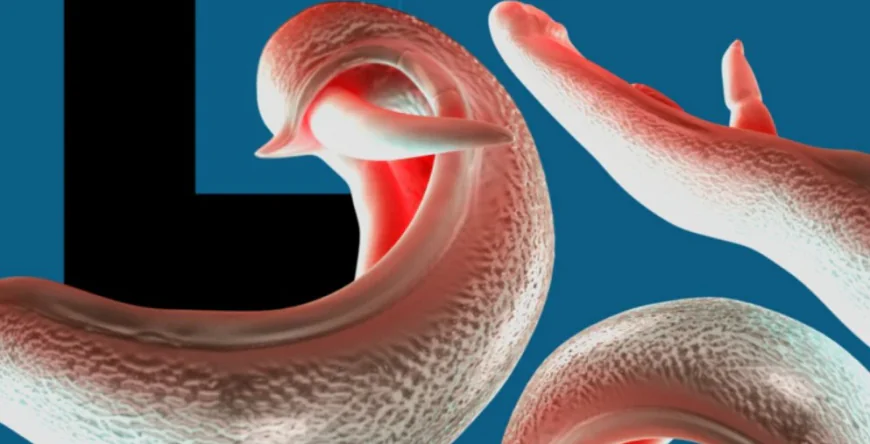
The World Health Organization has warned that schistosomiasis, a disease caused by parasitic flatworms, is evolving and spreading to new regions, including Southern Europe.


By Ahmet Taş | Wise News Press
LONDON, UNITED KINGDOM — The World Health Organization (WHO) has issued a warning that schistosomiasis, a parasitic disease that can cause organ failure and infertility, is evolving and spreading to new regions where it was previously unseen.
The alert, released to mark World Neglected Tropical Diseases Day, highlights that the parasite has developed hybrid strains capable of infecting both humans and animals, making it more resilient and harder to control. While the disease has been detected in 78 countries so far, its expansion into Southern Europe has raised global concern.
What is schistosomiasis?
The disease is contracted when people come into contact with fresh water infested with larval forms of parasitic flatworms, which are released by freshwater snails. These larvae penetrate the skin and travel to blood vessels, where they mature and lay eggs in the liver, lungs, or genital organs. The body's immune reaction to the eggs causes tissue damage and can lead to organ failure.
One form of the disease, urogenital schistosomiasis, can cause genital lesions, infertility, and increase the risk of HIV transmission. Diagnosis is complicated by the fact that the eggs of the new hybrid parasites do not always look like typical specimens under a microscope.
"Tip of the iceberg"
Professor Janelisa Musaya from the Liverpool Wellcome Clinical Research Programme in Malawi noted that hybrid parasites—formed by the interbreeding of human and animal strains—already account for 7 percent of tested cases. She warned that this figure likely represents just the "tip of the iceberg."


"We are sending a wake-up call to politicians. They need to act before this problem grows rapidly," Musaya said, cautioning that existing treatments might become ineffective against these evolving strains.
Climate change driving spread
Experts attribute the widening geographical reach of the parasite to climate change and increased global travel. The appearance of outbreaks involving hybrid parasites in Southern Europe in recent years has particularly alarmed health officials. Dr. Amadou Garba Djirmay, who leads the WHO's global schistosomiasis control program, described the situation as a "global concern."
Although global cases of schistosomiasis dropped by 60 percent between 2006 and 2024 due to large-scale control programs, the WHO reports a worrying 41 percent decrease in funding for neglected tropical diseases between 2018 and 2023.


Soruce : Kate Bowie / BBC
What's Your Reaction?
 Like
0
Like
0
 Dislike
0
Dislike
0
 Love
0
Love
0
 Funny
0
Funny
0
 Wow
0
Wow
0
 Sad
0
Sad
0
 Angry
0
Angry
0

Editor | Wise News Press — Delivering accurate, timely global news with integrity, insight, and editorial responsibility.






















Comments (0)