



Baby teeth that do not fall out on time require early dental follow-up
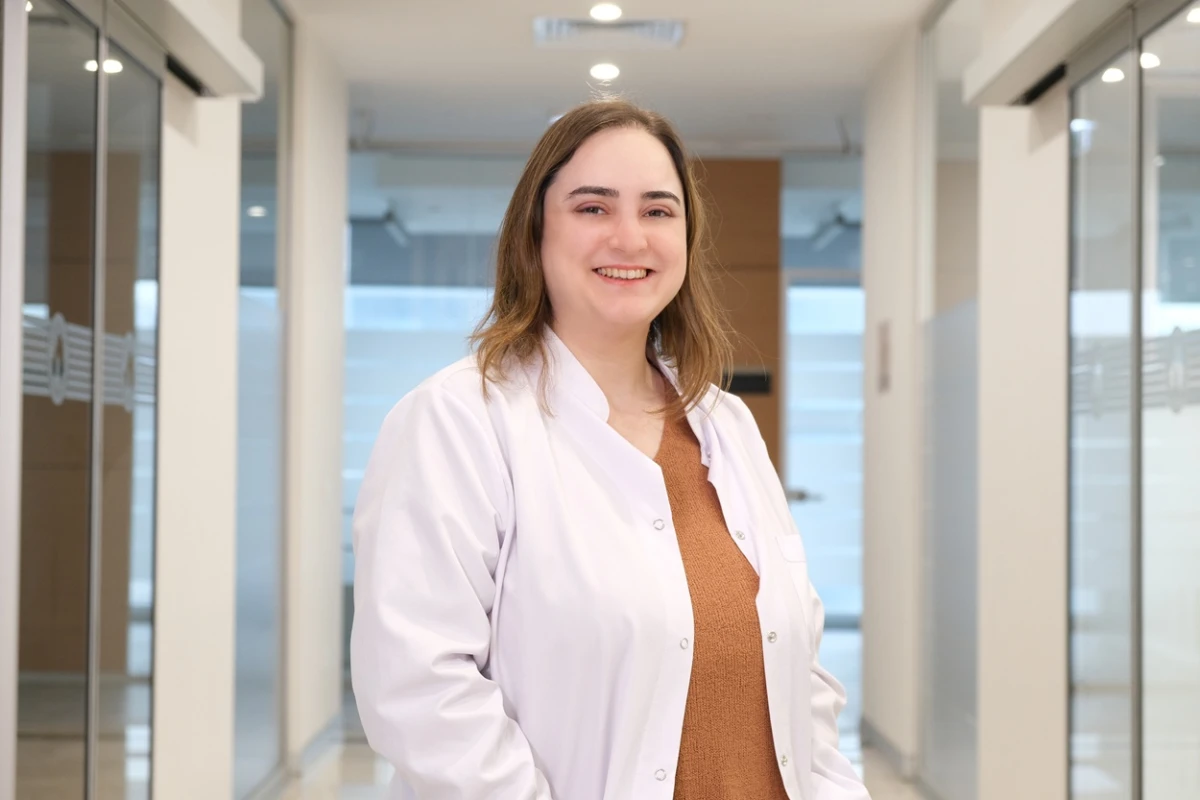
Pediatric dentist Şebnem N. Koçan warned that retained baby teeth may affect permanent tooth eruption, alignment and bite development.


By Ahmet Taş | Wise News Press
ISTANBUL, Türkiye — Baby teeth that remain in the mouth longer than expected should not be dismissed as a minor issue, because they may affect permanent tooth eruption, dental alignment and bite development.
Üsküdar University Dental Hospital Pediatric Dentist Assist. Prof. Şebnem N. Koçan said retained baby teeth require clinical evaluation and, when necessary, radiographic follow-up. Koçan emphasized that not every baby tooth left in the mouth needs to be extracted, but each case should be assessed according to the tooth’s condition, its relationship with neighboring teeth and the development of the permanent tooth beneath it.
Retained baby teeth should not be seen as harmless
Koçan said it would not be accurate to claim that every retained baby tooth directly disrupts jaw development. However, a baby tooth that stays in the mouth for a long time can influence tooth alignment, the position of neighboring teeth, the eruption path of permanent teeth and the way upper and lower teeth come together.
According to Koçan, problems may occur especially when a baby tooth blocks the permanent tooth underneath or remains lower than neighboring teeth over time. In such cases, normal dental development and positioning may be affected.
Neighboring teeth may lean toward the space around the retained baby tooth, dental alignment may change and bite irregularities may develop. The eruption path of the permanent tooth may also be disrupted, which can sometimes delay eruption or leave the permanent tooth impacted.


The reason must be investigated
Koçan noted that the relationship between retained baby teeth and permanent tooth problems should not be considered in only one direction. A baby tooth may sometimes prevent a permanent tooth from erupting, but in other cases the real issue may be that the permanent tooth is developmentally missing or has an eruption disorder.
For this reason, clinical examination and radiographic assessment are important when a baby tooth does not fall out within the expected timeframe. These evaluations help determine whether the permanent tooth exists, how it is developing and whether its eruption direction is normal.
Koçan said every retained baby tooth does not necessarily cause the permanent tooth underneath to remain impacted. In some cases, the baby tooth may remain in place precisely because the permanent tooth is absent or unable to erupt properly.


Extraction and space management should be planned together
Whether the space closes naturally after a baby tooth is extracted varies from child to child. The location of the tooth, the child’s age, the position of neighboring teeth, current dental alignment and the presence or absence of the permanent tooth beneath all play a role in treatment planning.
Koçan warned that natural closure of the space is not always an ideal outcome. Neighboring teeth may tilt or shift into the empty space, which can create orthodontic problems later.
If the permanent tooth is missing and the retained baby tooth must be removed, the future management of that space should be planned separately. Depending on the patient’s condition, orthodontic treatment, prosthetic solutions or implant planning at a later age may be considered. For this reason, the decision to extract a retained baby tooth should not be separated from the plan for managing the space it leaves behind.
Early assessment can make treatment easier
Early evaluation provides an important advantage when a baby tooth does not fall out on time during childhood. Through clinical examination and, when needed, radiographic imaging, dentists can assess the presence, development and eruption path of the permanent tooth.
If an eruption problem or another developmental issue is detected early, timely intervention may help support the eruption of the permanent tooth or prevent future alignment problems.
Koçan said not every case requires intervention, but early detection allows follow-up and treatment planning to be carried out in a more controlled way. She advised families not to wait too long with the thought that “it will fall out anyway,” especially when one baby tooth remains in place much longer than in children of the same age.
Not every retained baby tooth needs extraction
A baby tooth that remains in the mouth for a long time does not automatically need to be removed. If the tooth is healthy, continues to function, does not create problems for the surrounding tissues and does not negatively affect permanent tooth eruption or neighboring tooth positions, it may sometimes be kept in the mouth and monitored.
This can be especially useful in patients whose permanent tooth is missing. In such cases, preserving a healthy baby tooth for as long as possible may offer an advantage in treatment planning.
Koçan stressed that the decision should not be based only on the patient’s age. The clinical condition of the tooth, radiographic findings and the patient’s overall dental structure should all be evaluated together.
Regular checks also help prevent decay
Retained baby teeth should also be monitored for tooth decay and gum problems, just like permanent teeth. Anatomical structure, difficulty in cleaning the tooth or plaque accumulation around it may increase the risk of decay and periodontal issues.
Regular dental follow-up is therefore important not only for monitoring permanent tooth development, but also for maintaining oral hygiene. During follow-up, the dentist can evaluate the retained tooth’s health, position, relationship with surrounding tissues and the condition of the permanent tooth beneath it, then choose the most appropriate approach for the child.
WiseNewsPress.com
What's Your Reaction?
 Like
0
Like
0
 Dislike
0
Dislike
0
 Love
0
Love
0
 Funny
0
Funny
0
 Wow
0
Wow
0
 Sad
0
Sad
0
 Angry
0
Angry
0

Ahmet Taş is a journalist, editor and Turkey Office Manager of the Wise News Press Media Group. He works across news, digital media and international publishing, focusing on accurate, responsible and accessible journalism. He contributes to the development of media projects that bring important political, social and global developments to a wider international audience.















Comments (0)