



Türkiye opens 525 rare manuscripts from Erünsal collection online
A 525-piece manuscript collection donated by Prof. Dr. İsmail Erünsal to the Süleymaniye Library has been digitized for global access.


By Ahmet Taş | Wise News Press
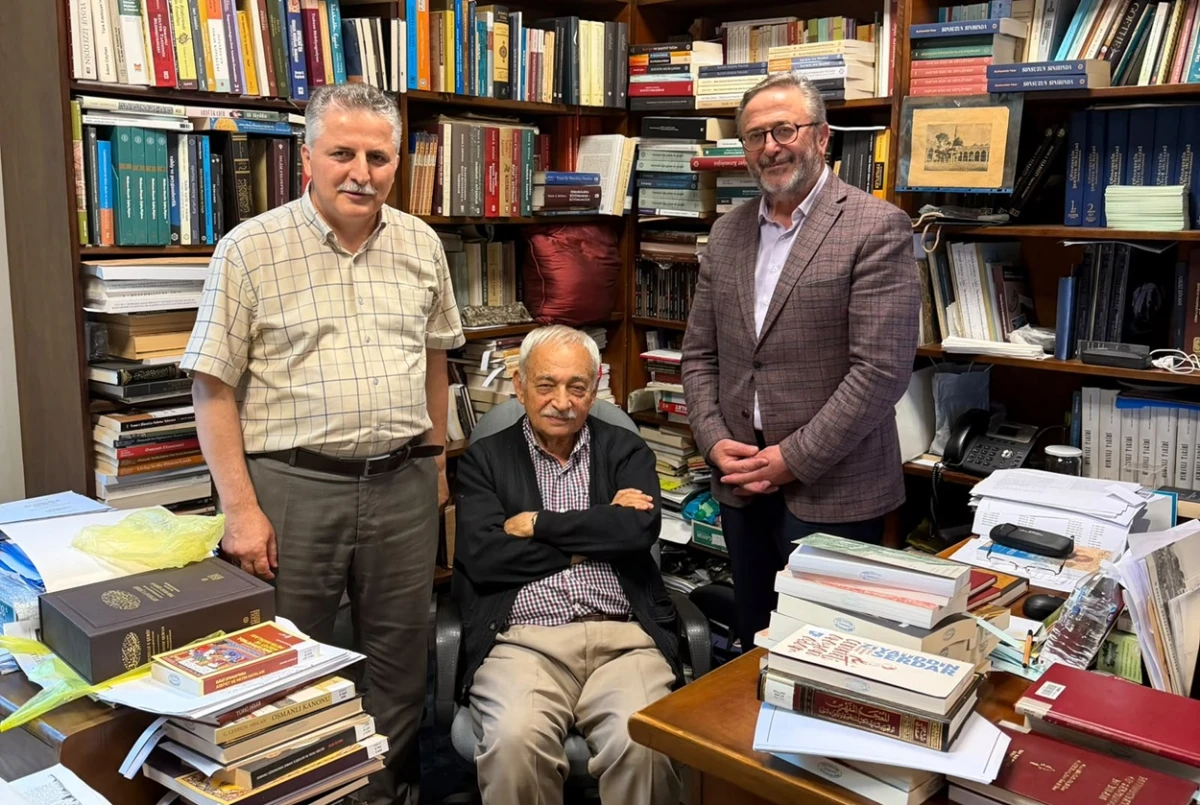
ANKARA, Türkiye — A 525-piece rare manuscript collection donated by Prof. Dr. İsmail Erünsal to the Süleymaniye Manuscript Library has been opened to digital access.
Türkiye’s Culture and Tourism Minister Mehmet Nuri Ersoy announced that the collection, brought together by Erünsal over a lifetime and donated to the library, can now be examined online. The archive includes unique copies, rare manuscripts, author-copied works and important examples of Ottoman intellectual and literary heritage.
A lifetime collection enters public access
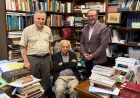
Prof. Dr. İsmail Erünsal, known for his work on Ottoman book and library history, donated his personal collection to the Süleymaniye Manuscript Library on August 6.
Erünsal had built the collection over many years through personal effort. He said he saw the works as a trust belonging to the nation and wanted them to be better protected, transmitted to future generations and made available to more researchers.
After the donation, the Presidency of the Türkiye Manuscripts Institution completed conservation, repair, digitization and cataloguing work in about two months. The collection was then prepared for public digital access.


Minister Ersoy thanks Erünsal
Minister Ersoy said every donation made for cultural heritage creates a lasting contribution to the nation’s shared memory.
He thanked Erünsal for donating the works with the aim of protecting them more effectively and making them accessible to a wider audience. Ersoy said the donation turned centuries of scientific and literary accumulation into a treasure that everyone can benefit from.
He also congratulated the Türkiye Manuscripts Institution and all staff involved in protecting, cataloguing and digitizing the collection.


Şeyh Galib’s youthful Divan stands out
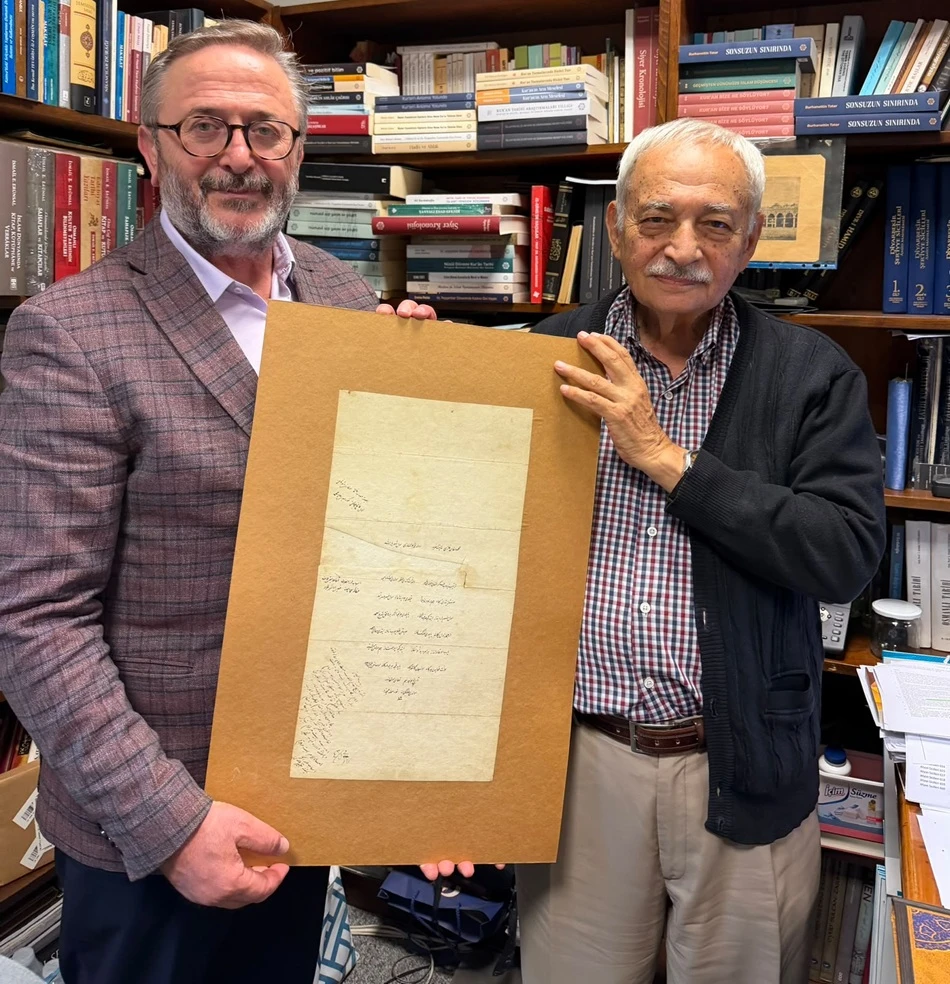
One of the most striking works in the collection is the Divan of Şeyh Galib, written in the poet’s own handwriting when he was only 18 or 19 years old.
The manuscript is among 15 author-copied works in the collection. It is considered important because it sheds light on Şeyh Galib’s early literary production and the formation of his poetic language.
The oldest manuscript in the collection with a known copying date is Dîvân-ı Emir Şâhî, dated 1523. This 503-year-old work is one of the rare examples reflecting the literary and scholarly world of its period.
Rare texts illuminate Ottoman literary history
The collection includes works that may open new research paths in Ottoman literary history.
Among them is the Divan of Cezerî Kasım Paşa, a poet from the reign of Bayezid II who used the pen name Sâfî. The text was compiled during the poet’s lifetime and had not been previously known.
The divans of Keşfî and Urfalı Mustafa Hattî are also among the rare or previously unknown works in the collection. These manuscripts are expected to contribute to studies on the development of Ottoman poetry, language and style in the 15th and 16th centuries.
Economic and diplomatic records included
The collection is not limited to literature. It also contains important sources for Ottoman economic, administrative and diplomatic history.
A 288-page Narh Defteri, or official price register, is among the notable works. Such records are valuable for understanding price regulation, market life and economic conditions in the Ottoman period.
Seyfullah Ağa’s Sefaretname and a Tarik Defteri related to the Ottoman learned hierarchy are also included. Another important work is Mirâtü’l-Işk by Abdurrahman el-Askerî, considered a significant source for 16th-century Melami history.
A broad archive of manuscripts and documents
The İsmail Erünsal Manuscript Collection brings together works from different fields, including Sufism, literature, education, religious life and Ottoman administration.
The collection includes 185 works on Sufism and religious orders, 153 works in literature, 55 divans and 28 ijazat certificates. It also contains 43 volumes with illumination and decorative elements, as well as historical binding examples.
These features give the collection importance not only for literary and historical research but also for art history, codicology and the study of manuscript culture.
Digital access opens the archive to the world
With the digitization process completed, researchers and readers from around the world can access the collection through the Türkiye Manuscripts Institution.
The opening of the archive to digital access is expected to support studies in Ottoman literature, manuscript studies, book history, Sufism, diplomacy, economic history and calligraphy.
By bringing together rare copies, author manuscripts and historical documents, the collection offers a broad view of centuries of intellectual production. Its digital availability also helps protect fragile originals while making them more accessible to scholars and the public.
WiseNewsPress.com
What's Your Reaction?
 Like
0
Like
0
 Dislike
0
Dislike
0
 Love
0
Love
0
 Funny
0
Funny
0
 Wow
0
Wow
0
 Sad
0
Sad
0
 Angry
0
Angry
0

Ahmet Taş is a journalist, editor and Turkey Office Manager of the Wise News Press Media Group. He works across news, digital media and international publishing, focusing on accurate, responsible and accessible journalism. He contributes to the development of media projects that bring important political, social and global developments to a wider international audience.

















Comments (0)