



Green therapy may support addiction recovery and reduce relapse risk
Nature walks, gardening and outdoor activities may help reduce stress and strengthen recovery from addiction when used alongside evidence-based treatment.


By Ahmet Taş | Wise News Press
ISTANBUL, TURKEY — Spending regular time in nature may help people recovering from addiction manage stress, rebuild a sense of control and potentially reduce relapse risk when used alongside established medical and psychological treatments, according to a clinical psychologist in Istanbul.
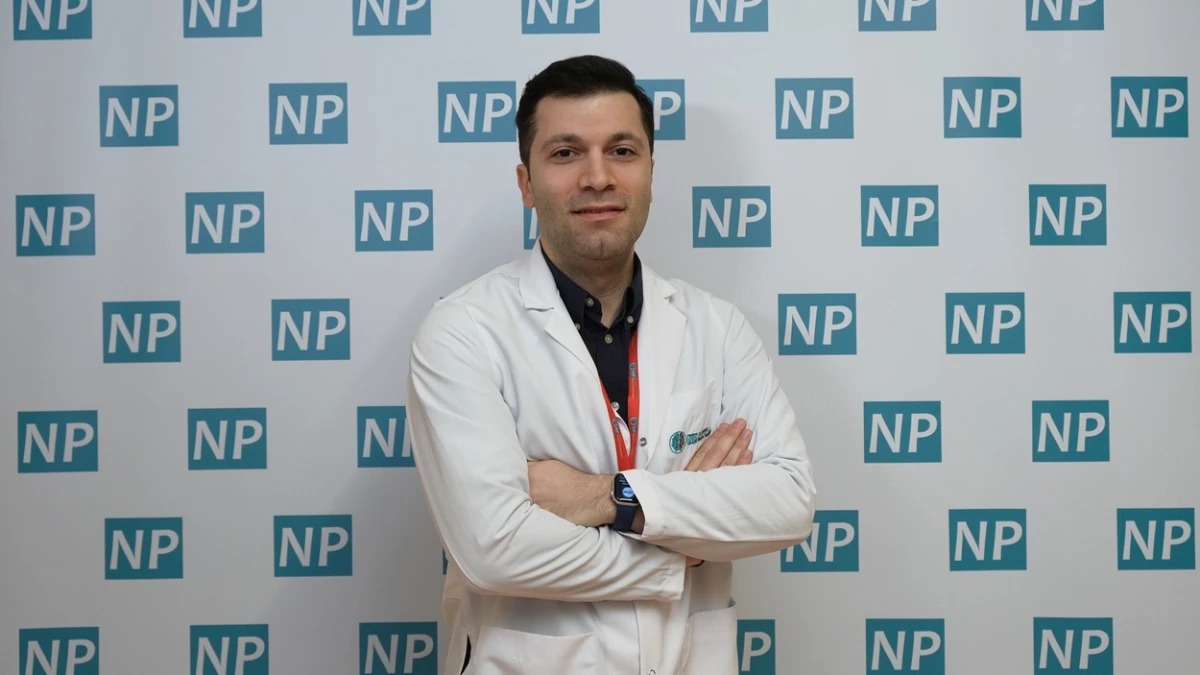
Clinical Psychologist Gürler Güz of Üsküdar University NPİSTANBUL Hospital said nature-based approaches, often described as “green therapy” or “ecotherapy,” should not replace medication, psychotherapy or structured rehabilitation. Instead, he said activities such as walking in nature, gardening and carefully planned outdoor programs can serve as complementary tools that strengthen the recovery process.
Green therapy is being explored as a complement to addiction treatment
Güz said first-line approaches to addiction continue to include pharmacotherapy where appropriate, cognitive behavioral therapy and structured rehabilitation programs.
Nature-based interventions have increasingly been discussed under terms such as green therapy, ecotherapy and nature-based therapy, he said.
The central idea is not that exposure to nature can “cure” addiction, but that it may help address some of the psychological and behavioral pressures that make long-term recovery difficult.


“Nature-based interventions do not replace standard treatment,” Güz said, adding that they may contribute to treatment adherence and help people develop healthier ways of coping with stress.
That distinction is important because substance-use disorders and behavioral addictions can involve complex biological, psychological and social factors. Treatment therefore needs to be individualized and may require medical supervision, psychotherapy and longer-term rehabilitation.
Addiction can disrupt the brain’s reward system
Güz described addiction partly through changes in the brain’s reward system.


Substance use and behavioral addictions — including pathological gambling and problematic digital or internet use — can produce intense reward responses. Over time, he said, ordinary experiences that once brought pleasure may feel less satisfying.
In clinical psychology, this diminished ability to experience pleasure is known as anhedonia.
A conversation with a friend, eating a meal, completing a task or achieving a personal goal may no longer generate the same sense of reward for someone struggling with addiction.
Recovery therefore involves more than simply removing a substance or behavior, Güz said. It also requires rebuilding the person’s relationship with everyday sources of satisfaction, purpose and achievement.
Nature-based activities may provide one route toward that goal because they offer experiences that are structured, sensory and separate from environments associated with addictive behavior.
Lower stress may help protect against relapse
Stress is one of the major challenges during addiction recovery, and Güz said reducing that burden may be one of the most useful roles of nature-based interventions.
Research on exposure to natural environments has associated time in green spaces with reductions in perceived stress and, in some contexts, physiological measures linked to stress regulation.
Güz said this could matter because intense or persistent stress can increase vulnerability to relapse.
Natural environments may help a person temporarily shift away from a heightened “fight or flight” state toward a calmer condition associated with rest and recovery, he said.
A walk in a park, time spent gardening or an outdoor activity will not remove the underlying causes of addiction. However, regularly creating lower-stress periods may make it easier for some people to use the coping strategies they learn in therapy.
That is why Güz describes nature not as an alternative treatment but as a potential protective and supportive environment within a broader recovery plan.
Recovery also means replacing what has been removed
Addiction recovery is often discussed in terms of abstinence, cravings and avoiding triggers.
Güz said another part of sustainable recovery is equally important: finding something meaningful to replace the behavior that has been removed.
Psychology often refers to this process as behavioral activation — deliberately introducing healthy and rewarding activities into a person’s daily life.
Nature offers several simple possibilities.
Walking a particular trail, caring for plants, working in a garden or simply sitting in a park and deliberately observing the surroundings can fill time that might otherwise become associated with boredom, isolation or craving.
These activities may also produce tangible outcomes. A person decides where to walk, how far to go, what to plant or how to care for something over time.
Such small decisions can help restore self-efficacy — the belief that a person can influence and manage their own life, Güz said.
That sense of control is often weakened during addiction, when people may feel that their behavior is controlling them rather than the other way around.
Outdoor activities may rebuild self-efficacy and routine
According to Güz, rebuilding self-efficacy can become an important part of relapse prevention.
Nature-based activities naturally involve choices and manageable goals. A person can choose a walking route, complete a hike, care for a garden or watch a plant develop through regular attention.
These experiences offer immediate evidence that actions can lead to outcomes.
The benefits may extend beyond confidence. Regular activities can also add structure to the day, encourage physical movement and create opportunities for healthier social interaction when performed in groups.
Güz noted that some programs use wilderness therapy, combining hiking, camping or outdoor survival skills with therapeutic work, particularly for adolescents and young adults.
Other rehabilitation approaches incorporate horticulture or gardening.
Gardening requires patience and delayed gratification: a seed does not become a plant immediately, and progress depends on repeated care. Güz said that kind of process may support skills such as impulse control and the ability to wait for a future reward rather than seeking immediate gratification.
Nature-based programs are also gaining attention in Turkey
Awareness of nature-based approaches is growing in Turkey, according to Güz.
Some rehabilitation centers and municipalities have introduced outdoor walks, ecological agriculture activities and nature-oriented programs for people dealing with addiction.
These initiatives have not replaced conventional addiction treatment protocols, he stressed.
Instead, they are increasingly considered possible ways of strengthening engagement, providing meaningful activity and supporting longer-term recovery.
The effectiveness of any intervention can differ significantly between individuals. A program that helps one person may not be appropriate for another, particularly when there are serious psychiatric symptoms, medical complications or withdrawal risks requiring professional supervision.
For that reason, nature activities should ideally be integrated into a treatment plan rather than used as a reason to stop medication, therapy or medical follow-up.
‘Nature does not replace treatment’
Güz summarized the potential benefits of nature-based support under three broad areas: physical regulation, emotional wellbeing and a renewed sense of meaning and connection.
On the physical side, reduced stress and improved sleep may create conditions that support better impulse control.
Emotionally, time in nature has been associated with lower levels of anxiety and depressive symptoms in some studies, which may be relevant because mood difficulties frequently accompany addiction.
The third area is meaning.
Addiction can be associated with isolation, loss of routine and a diminished sense of purpose. Experiences in nature may help some people reconnect with activities, other people and a broader environment outside the addictive behavior.
But Güz stressed that these potential benefits should not be mistaken for a stand-alone cure.
“Nature is not a magical formula that replaces treatment.”
Medication when clinically indicated, psychotherapy and structured rehabilitation remain essential parts of addiction care, he said.
Green therapy is better understood as an additional resource: one that may help reduce stress, rebuild confidence, create healthier routines and make recovery more sustainable.
For people experiencing addiction, the appropriate treatment should be determined with qualified health professionals, while nature-based activities can be considered as one supportive element within that wider plan.
WiseNewsPress.com
What's Your Reaction?
 Like
0
Like
0
 Dislike
0
Dislike
0
 Love
0
Love
0
 Funny
0
Funny
0
 Wow
0
Wow
0
 Sad
0
Sad
0
 Angry
0
Angry
0

Ahmet Taş is a journalist, editor and Turkey Office Manager of the Wise News Press Media Group. He works across news, digital media and international publishing, focusing on accurate, responsible and accessible journalism. He contributes to the development of media projects that bring important political, social and global developments to a wider international audience.





















Comments (0)