



Trump says Russia, Ukraine agree on energy truce; Zelensky seeks guarantees
Trump said Russia and Ukraine agreed to halt strikes on energy sites, while Zelensky said Kyiv would comply only with a credible Russian commitment.


By Ahmet Taş | Wise News Press
KYIV, UKRAINE — U.S. President Donald Trump said Russia and Ukraine had agreed to stop striking each other’s energy infrastructure, but Ukrainian President Volodymyr Zelensky responded more cautiously, saying Kyiv would halt attacks only if Moscow’s commitment was credible and internationally guaranteed.
Trump presented the development on Monday, Sept. 14, as a mutual arrangement already reached by both sides. Zelensky, however, described Ukraine as ready for such a step if its partners could ensure that Russia would also stop attacking Ukrainian power, energy and critical infrastructure. The Kremlin welcomed Trump’s earlier call for Kyiv to stop hitting Russian fuel facilities but had not publicly confirmed the broader reciprocal deal at the time of the latest reporting.
Trump says both sides agreed to stop energy strikes
Trump announced the claimed agreement in a post on his Truth Social platform.
“Ukraine has agreed not to hit Russian Energy Targets. Russia has agreed to do, likewise,” the U.S. president wrote, without initially providing details about when the arrangement would begin, how long it would last or which facilities would be covered.
The announcement followed Trump’s public appeal a day earlier for Zelensky to stop attacking Russian diesel-producing infrastructure.


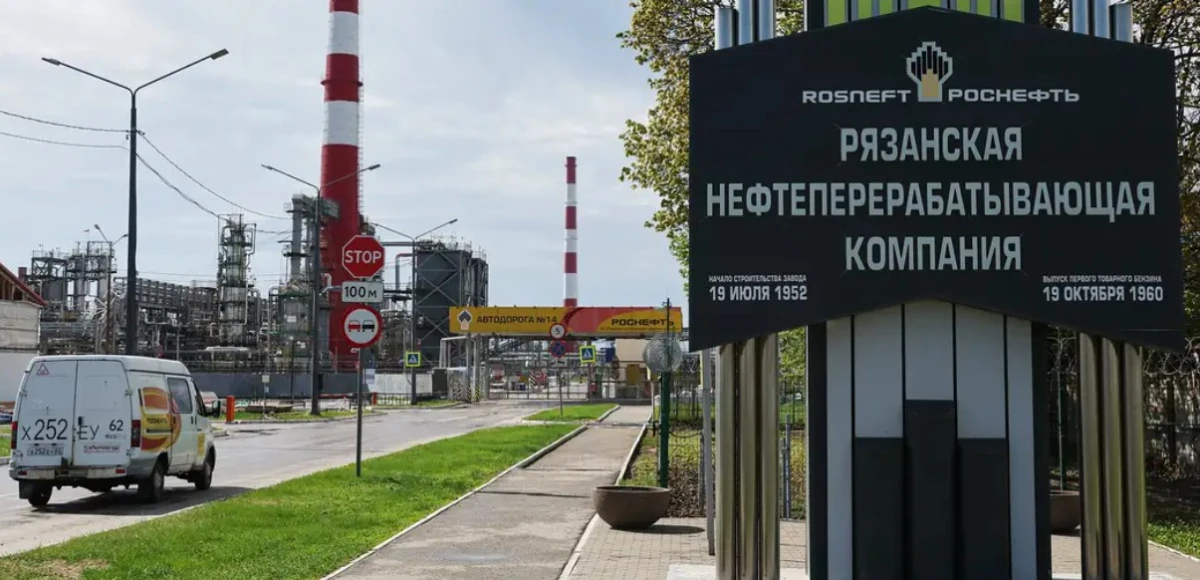
Ukraine has conducted a sustained campaign of long-range drone attacks on Russian oil refineries and related energy facilities in recent months. Kyiv argues that the sites help finance and supply Moscow’s war effort.
Those attacks have reduced Russian refining output and contributed to fuel shortages in several regions, according to Reuters. Trump has also linked the strikes to pressure on global diesel prices.
The U.S. president’s statement raised immediate expectations of a limited energy ceasefire, but questions remained over whether Moscow and Kyiv had formally accepted identical terms.


Zelensky says Ukraine is ready, but only with guarantees
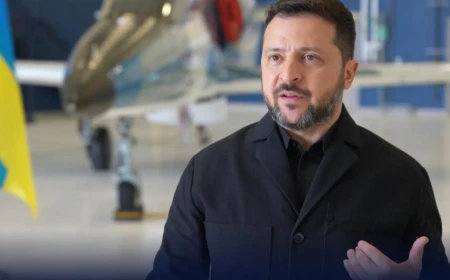
Zelensky’s response stopped short of confirming Trump’s description of a fully agreed deal.
The Ukrainian president said Kyiv had proposed that its international partners establish an arrangement with Russia that would stop the destruction of critical infrastructure.
He said Ukraine was prepared to refrain from striking Russian energy facilities if partners could secure a genuine Russian commitment not to attack Ukraine’s electricity system, energy facilities, critical infrastructure and routes used for food transportation.
Zelensky also expressed doubt over whether Moscow intended to honor such an arrangement.
His position suggested that Kyiv views any energy truce as conditional on reciprocity, monitoring and guarantees from third parties rather than as an unconditional halt to Ukrainian strikes.
That distinction is important: Trump described the matter as an agreement already reached, while Zelensky described Ukraine’s participation as dependent on Russia demonstrating a real willingness to comply.
Kyiv officials reportedly unaware of a finalized agreement
The Kyiv Independent reported that, shortly after Trump’s announcement, Ukrainian officials had not confirmed that a finalized bilateral arrangement was in place.
A senior Ukrainian energy official cited by the outlet said he was unaware of such a deal, underscoring the gap between Trump’s announcement and the level of detail publicly available in Kyiv.
No implementation mechanism was immediately disclosed.
Key unanswered questions include which facilities would be protected, whether oil refineries would be treated in the same way as electricity infrastructure, how violations would be verified and what consequences would follow if either side resumed attacks.
There was also no immediately announced start date.
Those unresolved details mean the initiative, at least in its initial hours, appeared closer to a proposed or politically announced energy non-aggression arrangement than to a fully documented ceasefire with published terms.
Kremlin welcomed Trump’s earlier appeal to Kyiv
Moscow had earlier reacted positively to Trump’s request that Ukraine stop attacking Russian diesel infrastructure.
Kremlin spokesman Dmitry Peskov said any call for Kyiv to halt attacks on what Russia describes as civilian economic infrastructure could only be welcomed.
Peskov, however, also argued that turmoil in global energy markets was being driven mainly by instability and escalation in the Persian Gulf rather than solely by Ukrainian attacks on Russian refineries.
Russia has faced gasoline shortages in several regions following repeated Ukrainian long-range drone strikes. Moscow has also introduced restrictions on fuel exports in an effort to support domestic supply.
At the time of the latest reports, the Kremlin’s comments concerned Trump’s earlier appeal to Ukraine and did not amount to a detailed public confirmation of the reciprocal energy deal Trump later announced.
That leaves Moscow’s exact interpretation of the proposed arrangement one of the main issues still requiring clarification.
Energy infrastructure has become a major front in the war
Energy facilities have become increasingly central to the Russia-Ukraine war.
Russia has repeatedly targeted Ukrainian power generation, transmission networks, heating systems and other critical infrastructure, particularly before and during winter.
Ukraine, meanwhile, has expanded long-range attacks on Russian oil refineries, storage sites and fuel infrastructure, arguing that such facilities are directly connected to Russia’s ability to sustain its invasion.
The strategy has had measurable economic effects.
Reuters reported that repeated Ukrainian drone attacks have sharply reduced Russian fuel production and contributed to gasoline shortages, creating additional domestic pressure ahead of Russia’s parliamentary elections.
At the same time, Kyiv faces the recurring threat that Russian strikes could damage electricity and heating systems as colder weather approaches.
A mutual halt to energy attacks could therefore provide immediate benefits to civilians and reduce pressure on fuel markets, even without producing a broader ceasefire.
A limited truce could test prospects for wider negotiations
A functioning energy agreement could serve as an early test of whether more extensive Russia-Ukraine negotiations are possible.
Recent U.S.-brokered diplomatic efforts have not produced a comprehensive peace settlement, though Moscow has indicated that it remains open to renewed talks.
For Kyiv, the central issue is whether Russia can be trusted to observe a limited arrangement over time.
For Moscow, halting Ukrainian strikes on refineries could ease significant economic and fuel-supply pressure.
For Washington, an energy truce could serve both humanitarian and economic goals while creating a narrower area of agreement between two sides that remain far apart on territory, security guarantees and the overall terms of ending the war.
The latest statements therefore represent a potentially significant diplomatic opening — but not yet a fully transparent ceasefire framework.
Trump says an agreement exists.
Zelensky says Ukraine is prepared to participate if Russia’s commitment can be guaranteed.
The next test will be whether Moscow publicly confirms the same terms — and whether attacks on energy infrastructure actually stop.
WiseNewsPress.com
What's Your Reaction?
 Like
0
Like
0
 Dislike
0
Dislike
0
 Love
0
Love
0
 Funny
0
Funny
0
 Wow
0
Wow
0
 Sad
0
Sad
0
 Angry
0
Angry
0

Ahmet Taş is a journalist, editor and Turkey Office Manager of the Wise News Press Media Group. He works across news, digital media and international publishing, focusing on accurate, responsible and accessible journalism. He contributes to the development of media projects that bring important political, social and global developments to a wider international audience.















Comments (0)