



Emine Erdoğan and Olena Zelenska offer a vision for children and peace
A women-led peace vision led by Emine Erdoğan and Olena Zelenska could unite humanitarian diplomacy around children, Crimea and Ukraine.


By Ahmet Taş | Wise News Press
ANKARA, TÜRKİYE —
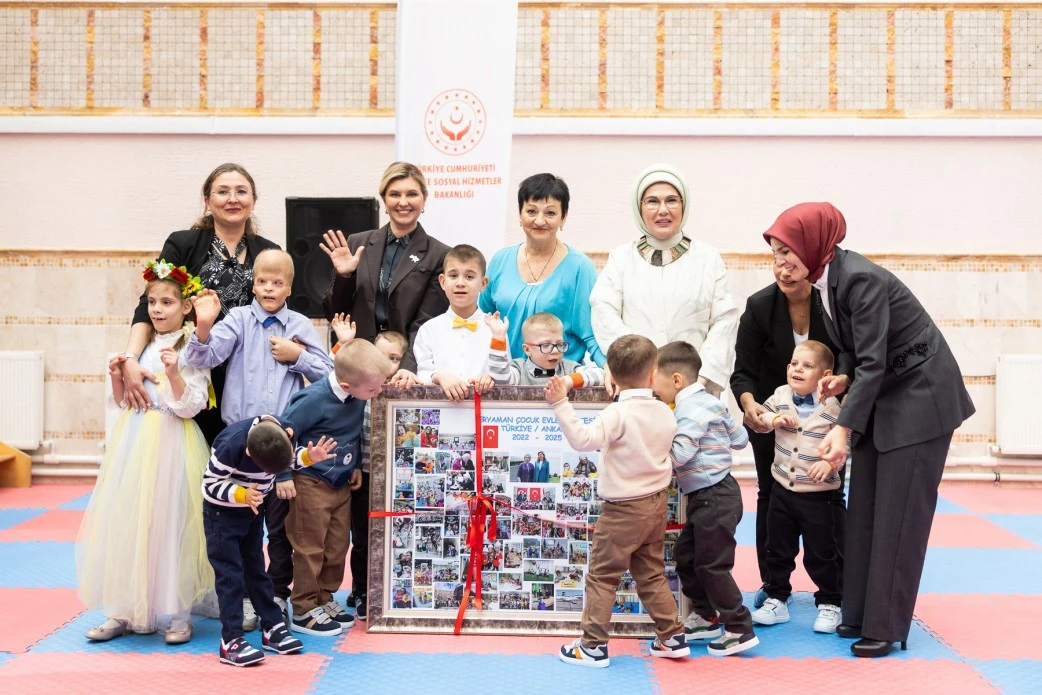
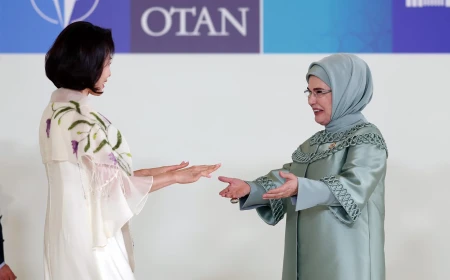
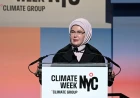
Emine Erdoğan and Olena Zelenska could become the leading voices of a new women-led peace vision focused on children, families, Crimea, Ukraine and the moral responsibility of the international community.
In an age when wars are often discussed through weapons, borders, sanctions and security alliances, the deepest human cost is still carried by children. When a city is bombed, a child loses more than a building. A school disappears. A bedroom disappears. A language, a family routine, a sense of safety and a belief in tomorrow can disappear with it.
That is why the question of peace cannot be left only to military tables and formal diplomatic summits. The world also needs a language of conscience. It needs a diplomacy that can speak about children without reducing them to statistics, about families without turning them into slogans, and about wounded societies without trapping them inside geopolitical calculations.


A peace language centered on children
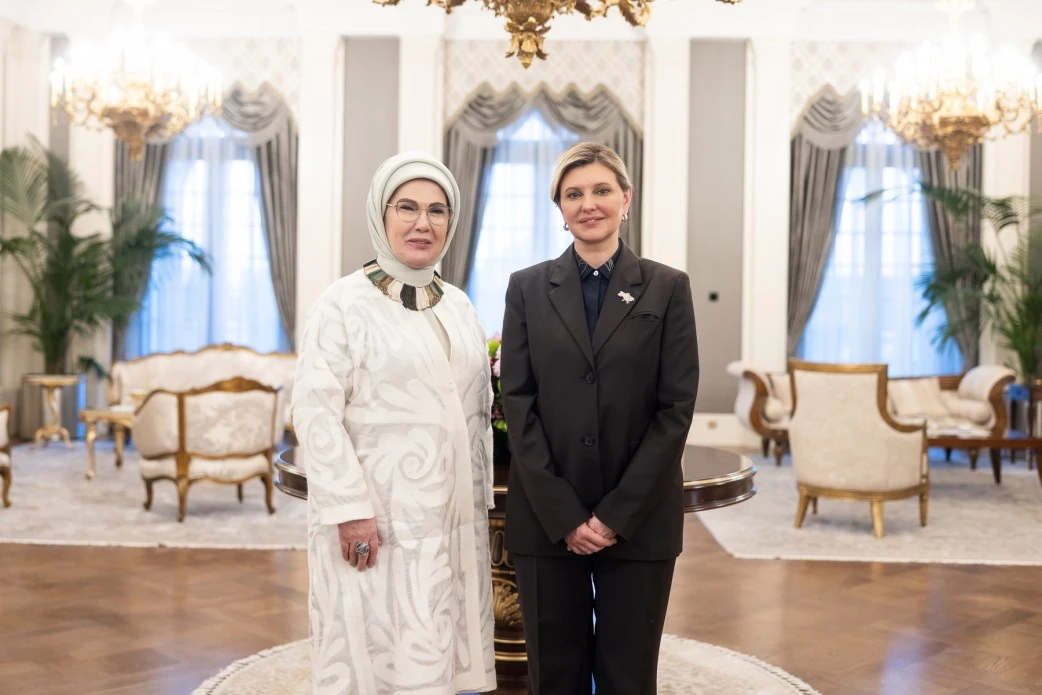
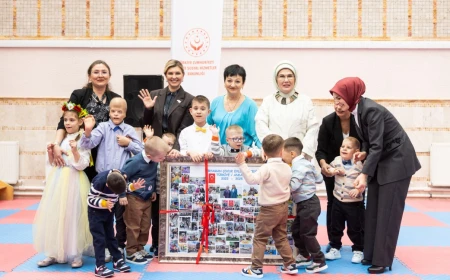
A possible joint initiative led by Emine Erdoğan and Ukraine’s First Lady Olena Zelenska could open a new moral and humanitarian path in international diplomacy. Such a platform would not need to present itself as a political bloc. Its strength would come precisely from a broader and more universal message: every child harmed by war is a responsibility shared by humanity.
The starting point could be Ukraine and Crimea, but the language should be wide enough to embrace all children affected by war, displacement and fear. Ukrainian children, Crimean Tatar children, children in Gaza, Syria, Yemen, Sudan and other crisis zones all remind the world of the same truth: peace is not an abstract word when a child has lost home, school, family or hope.
This is where women leaders can carry a different kind of diplomatic weight. Their role is not to replace state diplomacy, but to bring into the room what official statements often fail to express: the pain of mothers, the silence of displaced children, the dignity of families and the healing power of education, culture and care.


Emine Erdoğan’s humanitarian reach
Emine Erdoğan has already built an international profile around humanitarian responsibility, sustainability and the protection of future generations. Her Zero Waste vision became one of the clearest examples of how a social responsibility project can turn into a global message. It was not only about waste management. It was also about moderation, responsibility, the ethical use of resources and the duty owed to the generations yet to come.
The same moral frame can be expanded toward children and peace. Protecting a child from the consequences of war is also a responsibility toward the future. Supporting education, trauma recovery, family unity and cultural identity is not charity alone; it is an investment in long-term peace.
Emine Erdoğan’s strongest contribution to such a platform would be her ability to speak from the language of family, compassion and global responsibility. Türkiye’s position also gives this role special weight. Türkiye has ties with Ukraine, historic bonds with Crimean Tatars, deep connections across the Turkic world and an active presence in the Islamic world. This makes Ankara a natural center for a humanitarian peace initiative that begins with children and expands toward societies.
Olena Zelenska’s voice for healing
Olena Zelenska has become one of the most visible civilian faces of Ukraine’s wartime experience. Her work has placed children, families, health, education and psychological recovery at the heart of Ukraine’s global message. Through her voice, the war is not only described as a conflict between states, but as a human wound carried by children, mothers, the elderly and displaced families.
A partnership between Olena Zelenska and Emine Erdoğan would therefore carry strong symbolic meaning. Zelenska brings the lived reality of Ukraine’s pain. Erdoğan brings a wider humanitarian and diplomatic bridge to the Turkic and Islamic worlds. Together, they could frame the issue not as a narrow political campaign, but as a call to protect children and rebuild the human foundations of peace.
This approach could make the Ukrainian story more accessible to societies that may not always follow European security debates closely, but do understand the language of children, family, displacement and faith-based compassion.
Crimean Tatar women and the memory of a people
Any serious peace vision that includes Crimea must also include Crimean Tatar women. Crimea is not only a territorial question. For Crimean Tatars, it is also a question of memory, exile, identity, language, culture and survival. A child’s future is not protected only by keeping that child alive; it is also protected by allowing that child to inherit language, history and dignity.
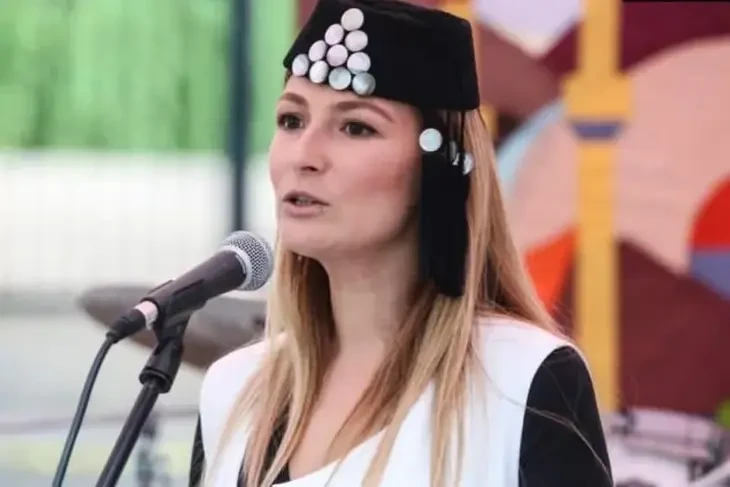
Figures such as Emine Dzhaparova, Tamila Tasheva, Zarema Bariieva, Mumine Salieva, Liliya Budzhurova, Gulnara Bekirova, Elmira Ablyalimova-Chyihoz and Jamala could each contribute from different fields. Some carry diplomatic experience. Some represent civil society and human rights. Some preserve historical memory through scholarship, media and cultural work. Some speak through music, art and public testimony.
Their presence would make the initiative authentic. It would ensure that Crimea is not spoken about only from outside, but through the voices of those who carry its history. In a children-centered peace platform, Crimean Tatar women could highlight language education, cultural preservation, family support, the children of political prisoners, and the need to protect the memory of exile while building a future of dignity.
Azerbaijan and the Turkic world dimension
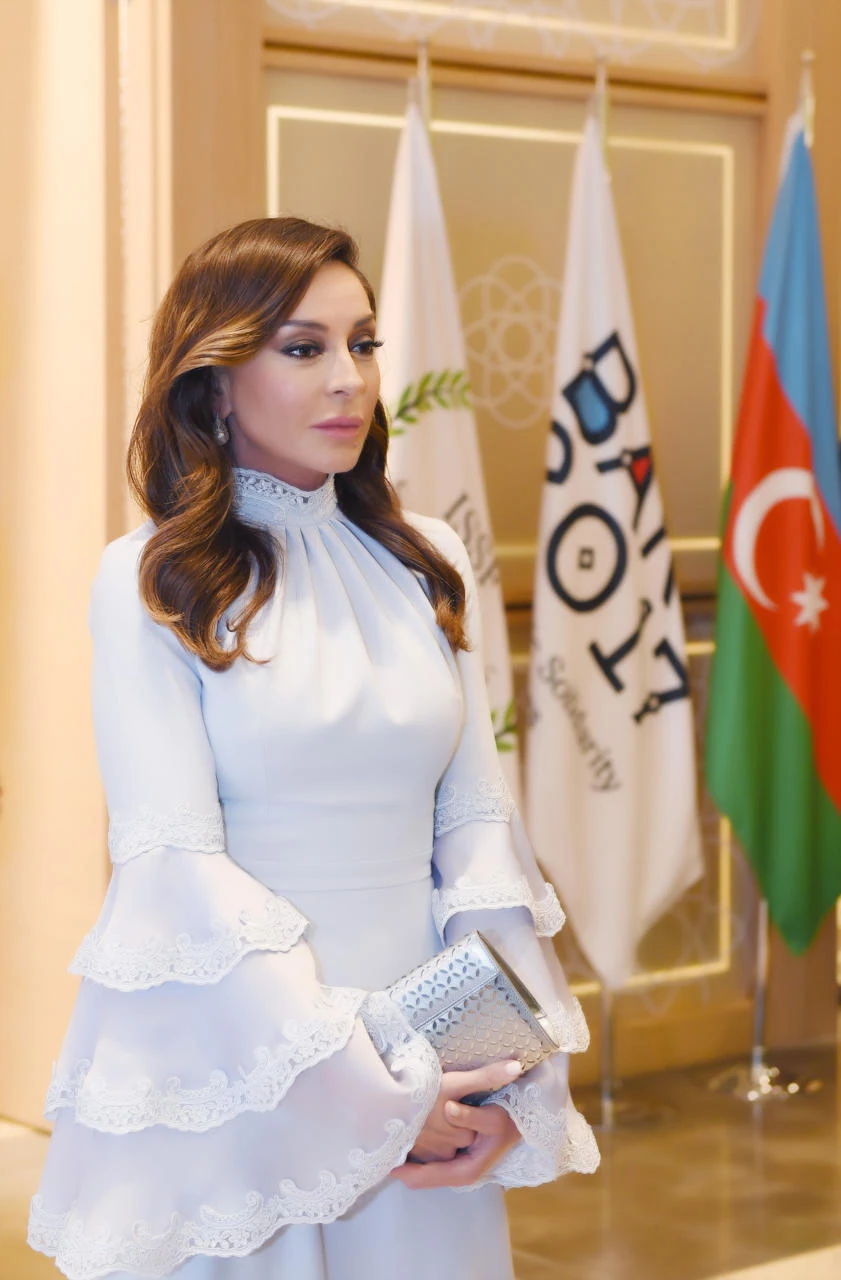
Azerbaijan would be one of the strongest pillars of such a vision. Mehriban Aliyeva, as First Vice-President of Azerbaijan and a highly visible figure in culture, education, health and humanitarian work, could bring major weight to the initiative. Azerbaijan’s own experience of displacement, return, reconstruction and cultural restoration gives Baku a meaningful place in a broader conversation about children, memory and rebuilding life after conflict.
The Turkic world dimension should not be built only on political identity. It should be built on shared responsibility. Türkiye, Azerbaijan, Uzbekistan, Kazakhstan and Kyrgyzstan can all contribute through education, cultural programs, scholarships, youth exchanges, trauma support and public diplomacy.
Uzbekistan and Central Asia have a special meaning for Crimean Tatar memory because of the history of exile and return. Events in Tashkent, Samarkand, Astana or Bishkek could connect the historical experience of Crimean Tatars with a future-oriented agenda for children, education and cultural survival.
The message should be simple: shared history becomes meaningful only when it protects the future of children.
Women leaders across the Islamic world
The Islamic world also has influential women who are active in education, social development, health, youth, culture and public diplomacy. Their participation could transform the initiative from a regional appeal into a broader humanitarian platform.
Sheikha Moza bint Nasser of Qatar would be especially important because of her long-standing work in education, social reform and global development. Education is one of the most powerful tools for children affected by war. When a child returns to learning, that child also begins to return to life.
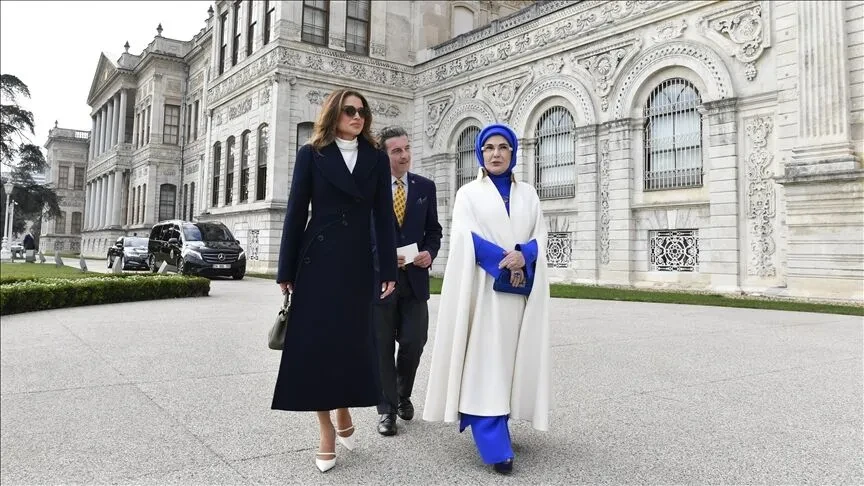
Queen Rania of Jordan could bring major international resonance through her work on education, youth and cross-cultural dialogue. Her profile is widely understood in both the Arab world and the West, making her a bridge figure for a children-focused peace vision.
Egypt’s First Lady Entissar El Sisi could add a social development and girls’ empowerment dimension. Pakistan’s Aseefa Bhutto Zardari could contribute through public health, women’s rights and child-focused advocacy. Malaysia’s Wan Azizah Wan Ismail, with her political experience and moral standing in the Muslim world, could help expand the platform into Southeast Asia.
In Saudi Arabia, the most effective path would likely be through visible women active in diplomacy and social life, such as Princess Reema bint Bandar. Her profile in diplomacy, women’s participation and international representation could support a broader message around children, sport, society and peace.
From vision to concrete action
For this initiative to become more than a symbolic photograph, it would need a concrete structure. A possible name could be “Women Leaders for Children and Peace” or “Global Conscience Platform for Children and Peace.”
The platform could focus on five main areas.
The first area should be education. War-affected children need scholarships, digital learning, school supplies, language programs and safe learning spaces. The second area should be health and psychological recovery. Children exposed to war need long-term trauma care, rehabilitation and family support.
The third area should be cultural identity. Crimean Tatar children, Ukrainian children and all children displaced by conflict need access to language, music, literature, history and cultural memory. The fourth area should be support for mothers and families. A child cannot heal if the family remains broken, isolated or unsupported. The fifth area should be global public communication through exhibitions, films, concerts, children’s stories and international events.
Each country could contribute according to its strengths. Türkiye could host the coordination center. Ukraine could provide the field-based needs map. Azerbaijan could strengthen cultural memory and reconstruction programs. Qatar could support education. Jordan could contribute experience in children and refugee-focused work. Uzbekistan and Central Asia could support cultural continuity. Pakistan and Malaysia could expand the health and social solidarity network.
A new moral architecture for peace
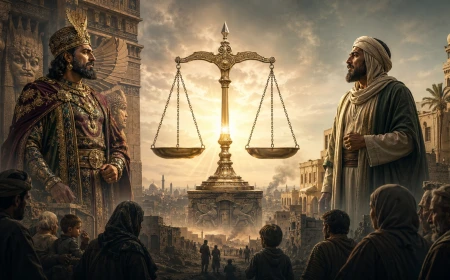
The world does not lack political declarations. It lacks trust, compassion and continuity. A women-led peace initiative centered on children could bring these missing elements together. It would not speak in the language of pressure, but in the language of responsibility. It would not divide children by geography, faith or nationality. It would say that every child wounded by war belongs to the conscience of humanity.
Emine Erdoğan and Olena Zelenska could become the two leading names of this moral architecture. Around them, women leaders from the Turkic world, the Islamic world, Europe and beyond could form a lasting platform for children, families, culture and peace.
Such a movement would begin with Ukraine and Crimea, but it would not end there. It could become a global call for all children whose lives have been shaken by war. In a century marked by conflict, displacement and fear, the world needs a diplomacy that can still pronounce the word “child” before the word “power.”
If women leaders can bring that language back to the center of international life, they will not only support the children of today. They will help protect the peace of tomorrow.
Yusuf İnan
WiseNewsPress.com
Yusuf İnan is a journalist, author, and political and strategic analyst. He serves as editor-in-chief of UAPresa.com, WiseNewsPress.com, SehitlerOlmez.com, SiyasetinSesi.com and YerelGundem.com. His work focuses on strategic and political analysis concerning developments in Türkiye and around the world.
What's Your Reaction?
 Like
0
Like
0
 Dislike
0
Dislike
0
 Love
0
Love
0
 Funny
0
Funny
0
 Wow
0
Wow
0
 Sad
0
Sad
0
 Angry
0
Angry
0
Yusuf İnan is a journalist, columnist, strategic analyst and head of the Wise News Press Media Group. His work focuses on international affairs, geopolitics, security and major social issues. Through his journalism, he promotes peace, dialogue, mutual understanding and responsible reporting while contributing to the development of international media projects.









Comments (0)