



Smiling depression: 7 hidden signs behind a cheerful appearance
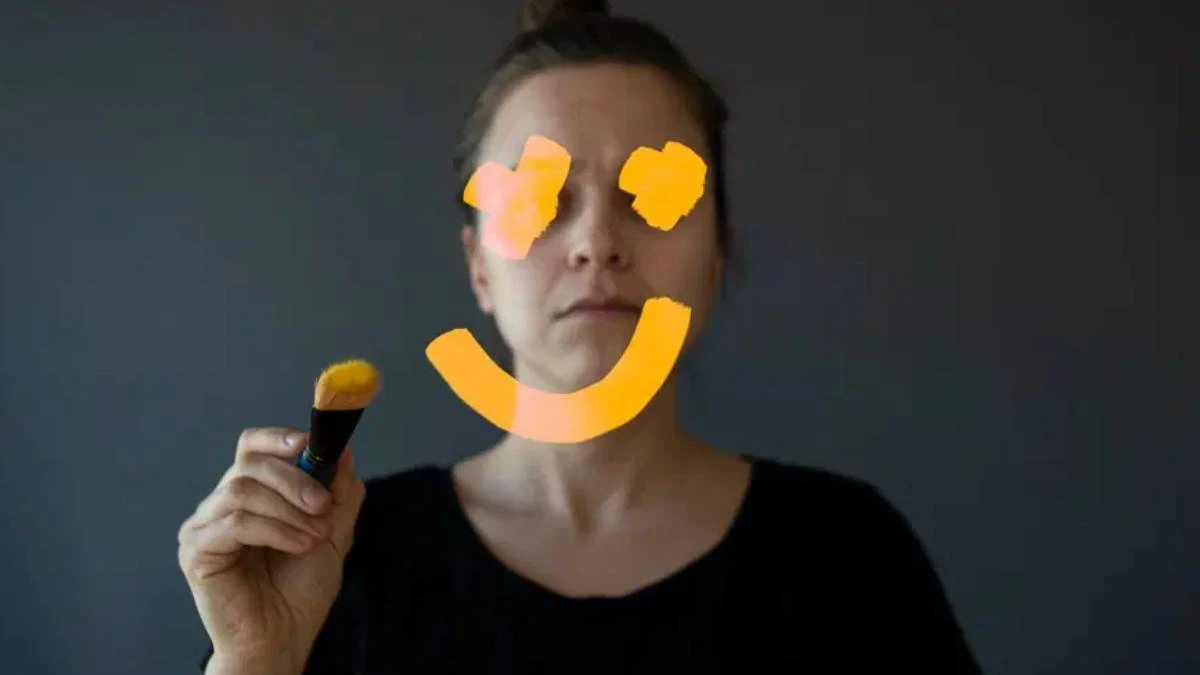
Smiling depression describes people who appear happy and functional while privately struggling with sadness, fatigue, emptiness and loss of interest.


By Ahmet Taş | Wise News Press
ANKARA, Türkiye — A person who appears cheerful, successful and socially active may still be struggling with depression behind closed doors, mental health experts warn.
The term “smiling depression” is not an official clinical diagnosis. It is commonly used to describe people who seem happy and functional on the outside while privately experiencing sadness, emptiness, exhaustion or hopelessness.
What does smiling depression mean?
Mental health researcher Dr. Olivia Remes from the University of Cambridge describes the term as a state in which a person looks happy to others but feels depressed internally.
This does not mean smiling depression is a separate medical disorder. Instead, it highlights an important point: depression does not always look like isolation, crying or visible sadness.
According to the U.S. National Institute of Mental Health, depression can affect how a person feels, thinks, sleeps, eats and manages daily life. The UK’s National Health Service also notes that depression can include physical symptoms such as tiredness, sleep problems and unexplained aches.


Why do people hide what they feel?
Some people explain their emotional distress as work pressure, tiredness or ordinary stress. Others may avoid speaking about it because they fear being judged, misunderstood or seen as weak.
People with strong perfectionist traits or a high sense of responsibility may find it especially difficult to admit they are struggling. They may continue working, smiling and helping others while ignoring their own emotional needs.
Social expectations can also play a role. When someone is known as “strong,” “successful” or “always cheerful,” it may become harder for them to say, “I am not okay.”


1. Losing interest in things once enjoyed
One of the most common signs of depression is losing interest or pleasure in activities that used to feel meaningful.
Meeting friends, exercising, watching a favorite show or spending time with family may no longer bring the same joy. From the outside, the person may still appear active, but internally they may feel detached or emotionally flat.
2. Feeling physically heavy or constantly tired
Depression can also be felt in the body. Some people describe a heavy feeling in their arms or legs, low energy or the sense that even small tasks require unusual effort.
This can be especially confusing when the person continues to meet daily responsibilities. They may look fine at work or in public, but feel exhausted as soon as they are alone.
3. Canceling plans more often
People with hidden depression may still socialize, but doing so can feel draining. They may begin canceling plans, avoiding gatherings or making excuses to stay home.
This does not always mean they no longer care about friends or family. In many cases, they are simply using most of their energy to appear okay.
4. Sleeping more but not feeling rested
Changes in sleep are another warning sign. Some people sleep less, while others sleep more than usual but still wake up tired.
If oversleeping, daytime fatigue and low motivation continue for weeks, they may point to more than a busy schedule or poor rest.
5. Becoming more sensitive to criticism or rejection
A small comment, a canceled meeting or a minor disagreement may feel unusually painful. The person may not show this reaction outwardly, but internally they may feel rejected, unwanted or inadequate.
This sensitivity can feed negative thoughts and make the person withdraw further from others.
6. Acting extra cheerful or helpful
Some people hide emotional pain by becoming unusually cheerful, busy or helpful. They may make jokes, support everyone around them and avoid talking about their own struggles.
Because they appear capable and positive, friends and family may not realize anything is wrong.
7. Increasing self-critical thoughts
A person who looks confident from the outside may privately struggle with thoughts such as “I am not enough,” “I am failing” or “I do not matter.”
These thoughts should not be ignored, especially if they last, intensify or affect sleep, work, relationships or daily functioning.
When should someone seek support?
These signs alone do not prove that a person has depression. A diagnosis should only be made by a qualified professional.
However, if symptoms continue for more than two weeks, affect daily life or include thoughts of self-harm, professional support is important. Talking to a trusted person, psychologist, psychiatrist or family doctor can be a first step.
Smiling depression reminds us that appearance can be misleading. A person may laugh, work, help others and still be hurting inside. Sometimes, the person who seems the strongest may be the one who most needs to be heard.
WiseNewsPress.com
What's Your Reaction?
 Like
0
Like
0
 Dislike
0
Dislike
0
 Love
0
Love
0
 Funny
0
Funny
0
 Wow
0
Wow
0
 Sad
0
Sad
0
 Angry
0
Angry
0

Ahmet Taş is a journalist, editor and Turkey Office Manager of the Wise News Press Media Group. He works across news, digital media and international publishing, focusing on accurate, responsible and accessible journalism. He contributes to the development of media projects that bring important political, social and global developments to a wider international audience.



















Comments (0)