



Ukraine receives 252 bodies from Russia as identification process begins
Ukraine received 252 bodies in a repatriation exchange with Russia. Investigators will verify their identities before notifying families.


By Ahmet Taş | Wise News Press
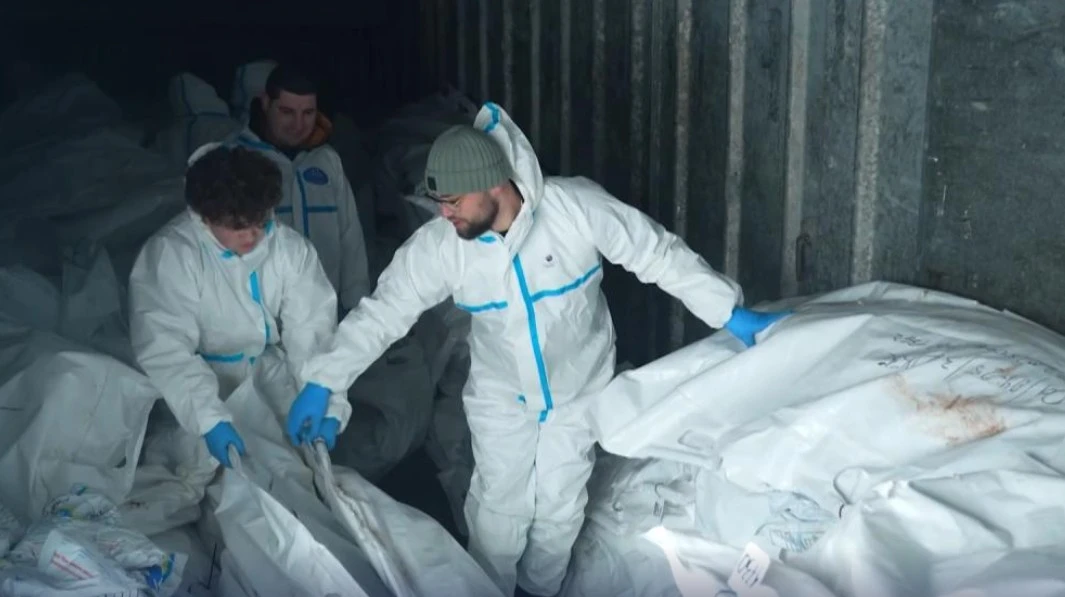
KYIV, UKRAINE — Ukraine received 252 bodies from Russia in a repatriation operation announced Thursday, with investigators now tasked with establishing their identities before families can receive confirmed information about their loved ones.
Ukraine’s Coordination Headquarters for the Treatment of Prisoners of War said the Russian side described the deceased as Ukrainian service members. Ukrainian authorities have yet to verify that description for each person. The distinction matters to families awaiting news of relatives missing during the war: the number returned is known, but their names have not been confirmed.
Ukraine announces the return of 252 bodies
The Coordination Headquarters announced the repatriation on 22 October 2026. It said law enforcement investigators and forensic specialists would carry out the examinations needed to identify those returned. Its announcement did not provide a list of names or say how many identities could be established immediately.
The operation involved Ukraine’s armed forces, security and interior agencies, offices responsible for missing persons and other government bodies, according to the headquarters. It also thanked the International Committee of the Red Cross for its assistance.
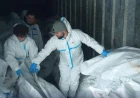
Military personnel are transporting the bodies to specialized state facilities and arranging their transfer to investigators and forensic medical experts, the headquarters said. Those steps begin the identification work; completing the transfer does not, by itself, establish who the deceased were.


The Russian account that the bodies belonged to Ukrainian troops remains a claim until the examinations are complete. Ukrainian officials have therefore described the return separately from the process of confirming each person’s identity.
Forensic teams begin identification
Ukraine’s Interior Ministry says bodies returned through repatriation are documented and examined for information that may help identify them. Investigators consider available records and personal effects alongside forensic findings. Genetic specialists can then compare DNA profiles with samples provided by relatives of people reported missing.
That work may take considerable time. The condition of remains, the availability of suitable samples and whether relatives’ DNA profiles are already on record can all affect how quickly a match is established. The ministry says identification may take weeks or months in some cases.


A preliminary indication is not the same as a completed identification. Specialists must assess and verify the evidence before investigators can reach a conclusion. Ukrainian authorities say this care is necessary to avoid giving a family an incorrect answer.
For now, the figure of 252 describes the bodies returned to Ukraine. It does not mean that 252 families have been informed of a confirmed death, or that all of the deceased have been identified as Ukrainian service members.
What the announcement means for families
For relatives of missing soldiers, news of a repatriation can renew an urgent question: whether someone they have been searching for is among those returned. The Coordination Headquarters cautions that names which may appear in information accompanying a transfer are not reliable proof of a person’s death or identity on their own.
Once investigators establish an identity, relatives are notified individually, according to the headquarters. Ukraine’s Interior Ministry says this follows the required forensic examinations and verification of the findings. Authorities have not announced when notifications connected to the latest return will begin.
The absence of an immediate match also does not settle the fate of a missing person. Investigators may need additional evidence or a genetic sample from a close relative before they can complete a comparison. Until then, families may remain without a definitive answer even though the repatriation itself has taken place.
No timetable or projected number of identifications was included in Thursday’s announcement. Information about particular individuals will depend on the results of their separate examinations.
Russian lawmaker says Moscow received 25 bodies
Russian State Duma member Shamsail Saraliev said Russia received 25 bodies as part of the exchange. That figure comes from the Russian side; Ukraine’s Coordination Headquarters did not give a corresponding number in its announcement of the 252 returned to Ukraine.
The two reported totals should not be treated as a count of people whose identities have been independently verified. They describe what each side said was transferred during the operation. Establishing names is a further task for the relevant authorities.
This was a repatriation of the deceased, not an exchange of living prisoners of war. Although both kinds of operation involve Ukraine and Russia, Thursday’s announcement does not report the release of any captives.
A separate return took place in September
Ukraine’s Coordination Headquarters also reported receiving 252 bodies in a repatriation on 17 September. That was an earlier operation. The identical figure in the two announcements should not be read as a repeated count of the same transfer.
Each return brings a separate set of cases for investigators and forensic experts to examine. The authorities must establish identities individually, even when a body arrives with accompanying information that appears to name a person.
The September and October operations show that the return of bodies continues while families wait for confirmed answers. The headquarters has not said how many people from Thursday’s transfer may already have matching records available for comparison.
The next step is confirmation
Investigators and forensic institutions will now examine the 252 bodies returned on 22 October. Ukrainian authorities have said they will carry out the measures necessary to identify the deceased and pass confirmed findings to families through official channels.
Until those findings are established, the description supplied by Russia and a verified identity must remain separate. For families waiting to learn what happened to a missing relative, the repatriation is a significant development, but the decisive information will come from the individual forensic results.
WiseNewsPress.com
What's Your Reaction?
 Like
0
 Dislike
0
 Love
0
 Funny
0
 Wow
0
 Sad
0
 Angry
0

Ahmet Taş is a journalist, editor and Turkey Office Manager of the Wise News Press Media Group. He works across news, digital media and international publishing, focusing on accurate, responsible and accessible journalism. He contributes to the development of media projects that bring important political, social and global developments to a wider international audience.








Comments (0)