



Ukraine peace talks after Oslo and St. Petersburg remain uncertain
Ukraine backs renewed talks with the US and Russia after meetings in Oslo and St. Petersburg, while a fresh attack on Kyiv deepens doubts about a ceasefire.


By Ahmet Taş | Wise News Press
KYIV, UKRAINE — Ukraine has backed renewed talks with the United States and Russia after meetings in Oslo and St. Petersburg, but a fresh attack on Kyiv has sharpened doubts about Moscow’s willingness to agree to a ceasefire.
Kyiv wants the three countries’ negotiating teams to meet soon and work toward a possible leaders’ summit involving European partners. Moscow has also expressed readiness to resume talks. Neither a date nor a shared approach to the central security questions has been agreed, leaving the prospects for a breakthrough unclear.
What was discussed in Oslo
On 20 October, Ukrainian President Volodymyr Zelenskyy met Norwegian Prime Minister Jonas Gahr Støre and Finnish President Alexander Stubb in Oslo. He also held talks with representatives of US President Donald Trump. Special envoy Steve Witkoff attended in person, while Jared Kushner joined remotely.
According to the Ukrainian presidency, the discussions covered ways to end the war, possible ceasefire arrangements and security guarantees for Ukraine. Zelenskyy also raised the protection of the country’s energy system, which remains vulnerable to Russian strikes. The participants have not publicly released a detailed set of proposals.
European involvement matters to Kyiv because any settlement would extend beyond the immediate question of halting attacks. Ukraine wants to know who would help protect it against another assault and how those commitments would work. Discussing such proposals in Oslo, however, does not mean Russia has accepted them.


Moscow signals willingness to resume talks
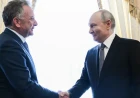
Witkoff met Russian President Vladimir Putin in St. Petersburg on 21 October. Afterward, Putin’s aide Yuri Ushakov said Moscow was prepared to return to three-way talks with Ukraine and the United States. He also gave a cool assessment of the Ukrainian and European ideas presented to the Russian side.
Zelenskyy said Ukraine supported a meeting between the negotiating teams as soon as possible, suggesting it should take place no later than early November. He cautioned that Russia had previously declared itself ready for talks in various formats before plans changed or fell through.
The two sides’ statements therefore leave an important distinction: both have spoken about meeting again, but they have not announced an agreed agenda or timetable. Whether a new round can produce progress will depend on the terms each side is willing to discuss.


Attack on Kyiv casts a shadow over diplomacy
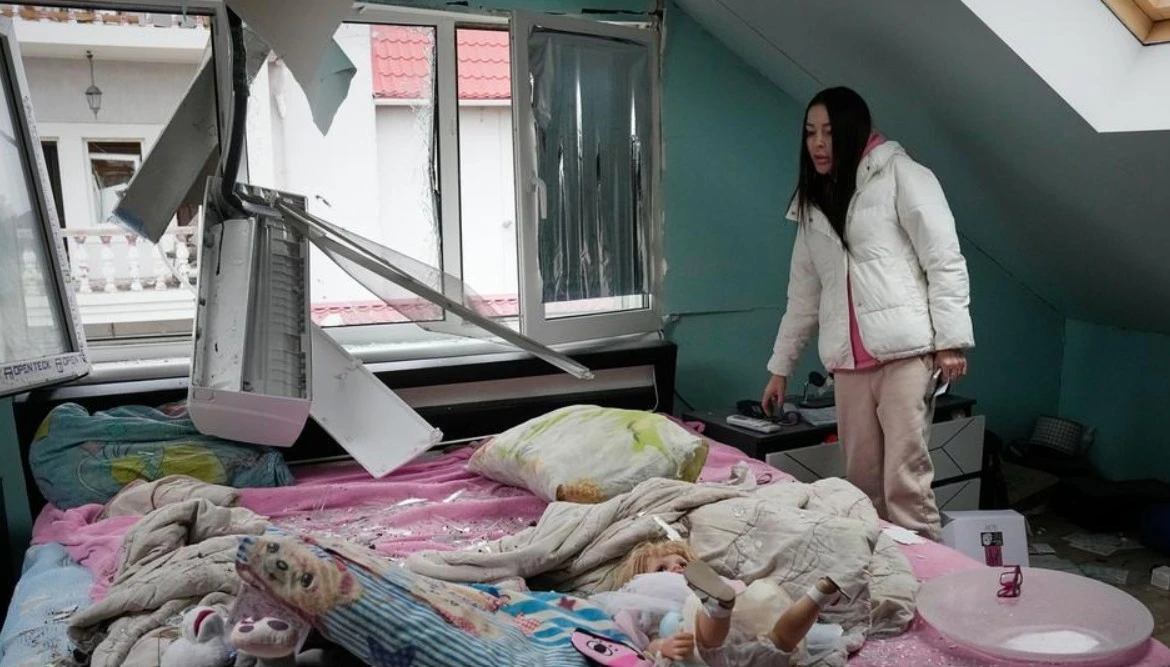
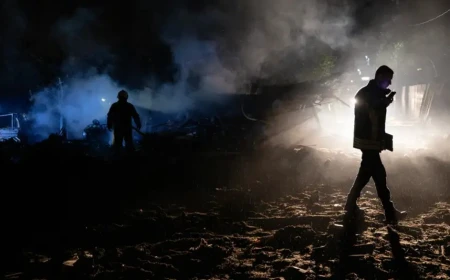
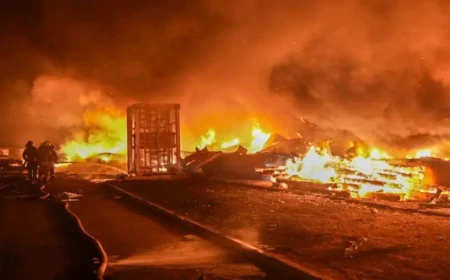
Hours after the St. Petersburg meeting, Russia launched another air attack on Ukraine. Kyiv was among the main targets overnight on 22 October. Ukrainian authorities reported deaths, injuries and damage to civilian buildings; assessments of the full toll were continuing.
Ukrainian Foreign Minister Andrii Sybiha criticised the tone of diplomatic appeals to Moscow after the attack and argued that stronger pressure was needed to stop the war. For Ukrainian officials, the strike underscored the need to judge Russia’s intentions by its actions as well as its statements at the negotiating table.
The attack does not, by itself, establish whether another meeting will happen. It does make the practical terms of any ceasefire more pressing. Negotiators would have to address how compliance could be monitored and what would follow if strikes continued or resumed.
Analysts see dialogue but no breakthrough
Oleksii Yizhak, an expert at Ukraine’s National Institute for Strategic Studies, told Deutsche Welle that he did not regard the latest contacts as mere diplomatic theatre. In his assessment, the parties have reasons to keep talking, although Russia’s readiness to stop fighting on terms acceptable to Ukraine remains uncertain.
Oleksii Buriachenko, president of the International Institute for Security Studies, also told DW that dialogue had value. He nevertheless said he did not expect a rapid breakthrough. Buriachenko pointed to what he sees as a gap between a phased process—ceasefire, security guarantees and then a peace agreement—and Moscow’s position.
Those are the analysts’ assessments, not outcomes established by the meetings. A clearer measure of progress would be an agreed date for talks, a concrete proposal on stopping hostilities and a way to enforce whatever the parties accept.
Questions about the US intermediary
Oleksandr Kraiev of the Ukrainian Prism think tank told DW that the Oslo format offered a workable way for Ukraine, its European partners and the United States to coordinate proposals before Washington relayed them to Moscow. His concern was whether everyone involved could be certain that the same terms were being discussed at each stage.
Kraiev said he could not verify precisely what Witkoff conveyed to Russian officials. That is a question about the transparency of the process; it is not evidence that the US envoy changed Ukraine’s position.
Only parts of the Washington–Moscow discussions have been made public. As a result, descriptions of the meeting as constructive or difficult reveal little about whether the parties are closer on the substance. Kyiv’s next concern will be whether any proposal brought back from Moscow addresses the priorities it presented in Oslo.
Security guarantees remain the central test
The shape of Ukraine’s future security guarantees is among the hardest unresolved issues. Zelenskyy has discussed protections intended to resemble aspects of NATO’s collective defence principle. Who would provide them, what obligations they would carry and how they would respond to another attack have yet to be specified.
In his comments to DW, Kraiev warned against an arrangement that would leave Ukraine exposed to renewed aggression. Buriachenko likewise argued that the commitments behind a guarantee matter more than its name. Yizhak identified the same underlying question: what would prevent Russia from starting another war after an agreement?
For now, the next measurable step is whether Ukraine, the United States and Russia set a date and agenda for their negotiating teams. The meetings in Oslo and St. Petersburg have kept a diplomatic channel open. They have not yet produced a ceasefire or resolved the dispute over Ukraine’s long-term security.
WiseNewsPress.com
What's Your Reaction?
 Like
0
 Dislike
0
 Love
0
 Funny
0
 Wow
0
 Sad
0
 Angry
0

Ahmet Taş is a journalist, editor and Turkey Office Manager of the Wise News Press Media Group. He works across news, digital media and international publishing, focusing on accurate, responsible and accessible journalism. He contributes to the development of media projects that bring important political, social and global developments to a wider international audience.













Comments (0)