



Witkoff meets Putin in St. Petersburg after Ukraine talks in Oslo
After talks in Oslo with Zelenskyy and European leaders, U.S. envoy Steve Witkoff met Putin in St. Petersburg to discuss ceasefire and security proposals.


By Yusuf İnan | Wise News Press
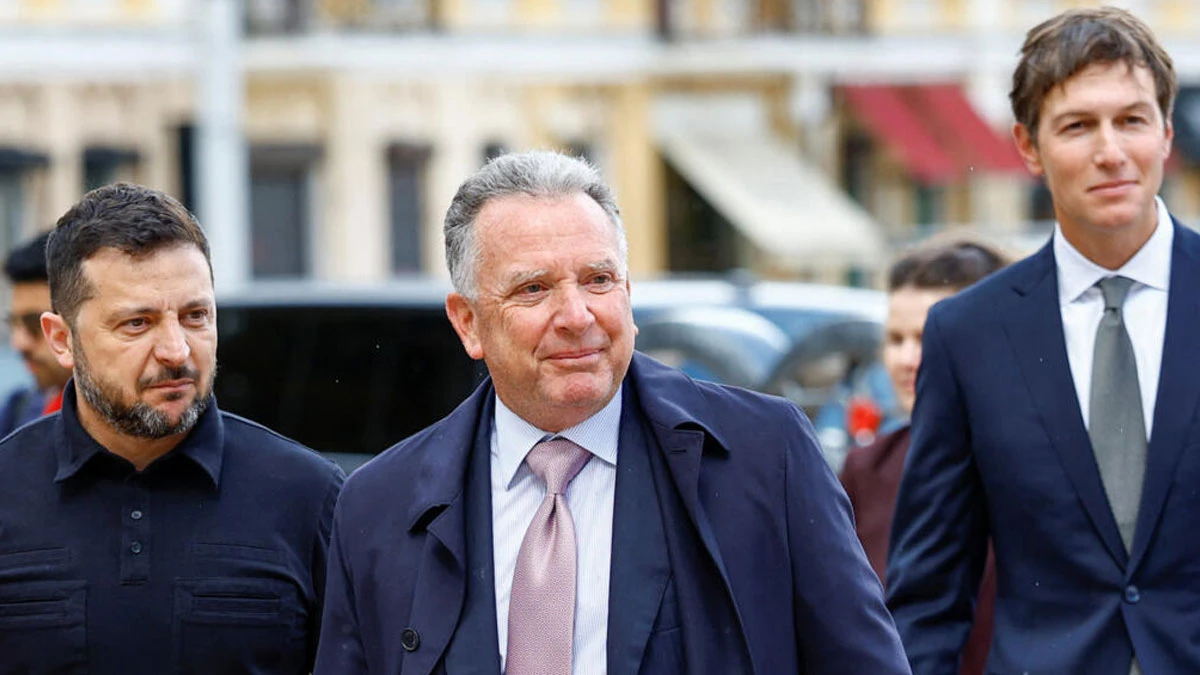
ST. PETERSBURG, RUSSIA — U.S. special envoy Steve Witkoff met Russian President Vladimir Putin in St. Petersburg on October 21 after talks with Ukrainian President Volodymyr Zelenskyy and European leaders in Oslo about possible steps toward peace.
The meetings put proposals on a ceasefire and Ukraine’s future security before both Kyiv and Moscow within two days. They have produced no announced peace agreement. The next test is whether the parties can turn those proposals into direct negotiations while Russian attacks and fighting continue.
What was discussed in Oslo?
Zelenskyy met Norwegian Prime Minister Jonas Gahr Støre and Finnish President Alexander Stubb in Oslo on October 20. Witkoff joined subsequent discussions, while Jared Kushner, an adviser to U.S. President Donald Trump, participated remotely.
According to the Norwegian prime minister’s office, the talks covered Ukraine’s security, a postwar economic plan, territorial questions, sanctions and Europe’s wider security arrangements. Støre said Witkoff would take ideas developed with Ukrainian, European and American officials to the Russian leadership in St. Petersburg.
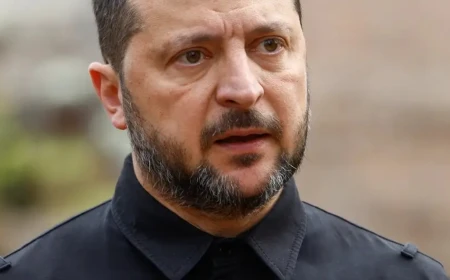
Zelenskyy said Ukraine and its European partners had proposals for ending the war and wanted the United States to present them to Moscow. He also raised the possibility of a meeting between the leaders of Ukraine, Russia and the United States to address issues that could not be settled by their negotiating teams. No date or agreed format for such a meeting was announced.


Zelenskyy says missile warnings are working again
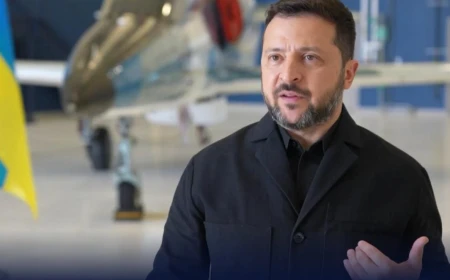
A separate concern in Oslo was Ukraine’s access to advance warnings of incoming Russian missiles. Zelenskyy said intelligence used for early warning was working again after discussions with U.S. officials, including a call with Secretary of State Marco Rubio.
Those warnings can give authorities time to alert civilians and allow air defence units to prepare for an attack. Zelenskyy had said Ukraine recently received insufficient notice before some Russian strikes, a concern that added urgency to his talks with Washington.
Rubio disputed the suggestion that the U.S. government had changed its policy to restrict intelligence sharing or military support. Zelenskyy’s announcement concerned the operation of missile early warnings; it did not establish that every dispute over intelligence or defence assistance had been resolved.


An energy ceasefire remains a proposal
Ukraine also discussed a possible halt to attacks on energy infrastructure. Zelenskyy said Kyiv supported a U.S. proposal for an energy ceasefire and was prepared to consider refraining from strikes on sensitive parts of Russia’s energy sector if Russia stopped attacking Ukrainian energy facilities.
The proposal would require agreement on which sites were protected and how violations would be assessed. No such arrangement was announced after the Oslo meeting. Zelenskyy said discussions were continuing because Russian attacks on Ukrainian infrastructure had not stopped.
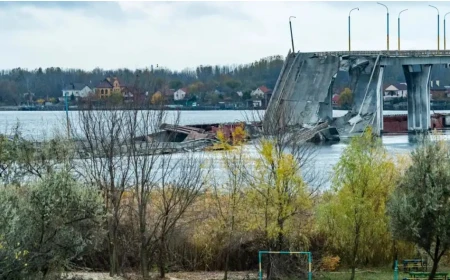
For Ukraine, the issue reaches beyond the negotiating table. Damage to energy facilities can disrupt electricity and heating for households, hospitals and businesses. A limited ceasefire, if agreed and observed, could reduce those risks even before a broader settlement of the war.
Air defence and satellite communications remain concerns
Zelenskyy also raised Ukraine’s need for missile interceptors and reliable satellite communications. Kyiv has repeatedly sought more ammunition for its air defence systems, particularly weapons capable of intercepting ballistic missiles.
Ukrainian officials have expressed concern about restrictions affecting Starshield, the military-grade satellite service developed by SpaceX. Rubio said Washington had not withdrawn Ukraine’s access. The talks did not produce a publicly confirmed timetable for resolving the reported communications difficulties.
These questions matter while diplomacy proceeds. Ukraine says it needs dependable warnings, air defence supplies and communications to protect civilians and sustain its forces. The outcome of peace discussions remains uncertain, and none of the meetings announced a pause in the fighting.
Witkoff takes the proposals to Putin
Witkoff travelled from Oslo to St. Petersburg on October 21 and met Putin. Reuters reported that their talks addressed ideas for ending the war and a possible route toward direct negotiations involving Ukraine, Russia and the United States.
Before the meeting, Russian Foreign Minister Sergey Lavrov said Moscow was willing to listen to new U.S. proposals but cautioned against expecting an immediate breakthrough. The Kremlin has also said that a meeting between Putin and Zelenskyy would require extensive preparation.
During Witkoff’s visit, Russia released Stephen Hubbard, a detained American citizen. Witkoff confirmed the release at his meeting with Putin. It was a concrete development in the U.S.–Russia contacts, but neither side presented it as an agreement on the war in Ukraine.
The next step depends on Russia’s response
Støre said Witkoff was expected to return to Oslo for further consultations after his Russia visit. The timing and scope of those discussions had not been confirmed when the meetings in St. Petersburg began.
Ukraine says it remains ready to discuss a ceasefire and security guarantees. Whether Moscow will engage with the proposals conveyed by Witkoff, and whether the parties can agree on a negotiating framework, remained open questions.
The Oslo and St. Petersburg meetings increased diplomatic contact among the countries involved. Their significance will depend on the responses that follow: a proposal discussed in separate capitals must still be accepted, defined and carried out before it changes conditions for people living through the war.
WiseNewsPress.com
What's Your Reaction?
 Like
0
 Dislike
0
 Love
0
 Funny
0
 Wow
0
 Sad
0
 Angry
0
Yusuf İnan is a journalist, columnist, strategic analyst and head of the Wise News Press Media Group. His work focuses on international affairs, geopolitics, security and major social issues. Through his journalism, he promotes peace, dialogue, mutual understanding and responsible reporting while contributing to the development of international media projects.











Comments (0)