



US and Iran digitally sign peace framework as capitals urge caution
The United States says it has digitally signed a peace framework with Iran, while world leaders urge swift implementation and caution ahead of Geneva talks.


By Ahmet Taş | Wise News Press
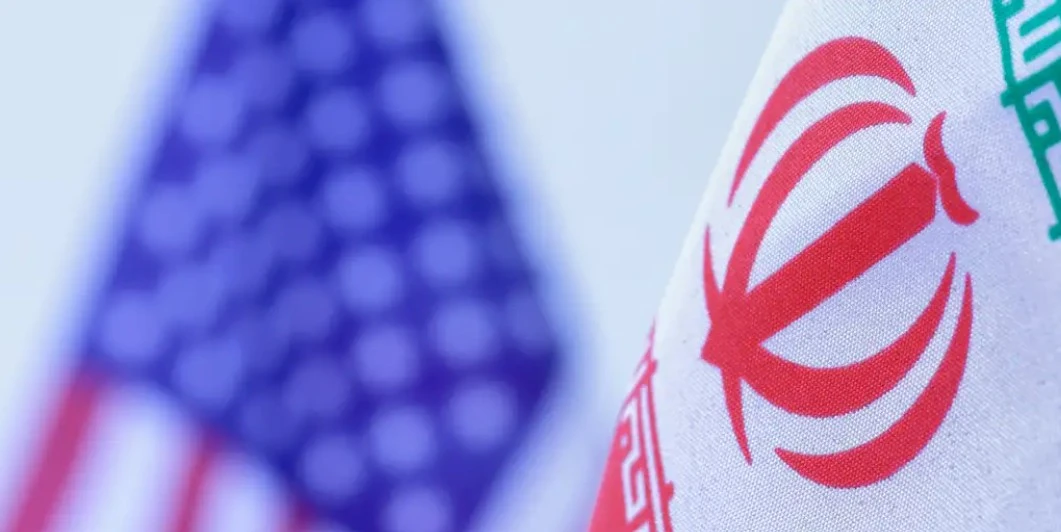
WASHINGTON, United States — The United States says it has digitally signed a peace framework with Iran, raising cautious hopes that a wider Middle East conflict could move toward de-escalation.
DW Turkish reported that Washington announced the electronic signatures of US President Donald Trump, Vice President JD Vance and Iran’s chief negotiator Mohammad Bagher Ghalibaf had been completed. Tehran has not yet issued an official confirmation that the document was digitally approved. A formal signing ceremony is expected to take place in Geneva on Friday as part of a process mediated by Pakistan.
Digital signatures announced before Geneva ceremony
The announcement came after weeks of indirect negotiations between Washington and Tehran through intermediaries. According to the US side, the framework outlines the broad terms of a peace process designed to reduce tensions in the Middle East and create a basis for further talks.
The reported digital signing is being viewed as an early diplomatic step rather than a fully implemented agreement. The lack of immediate official confirmation from Tehran means world capitals are treating the development with cautious optimism.
Pakistan’s Prime Minister Shehbaz Sharif had earlier announced that the United States and Iran had reached a peace agreement. The planned ceremony in Geneva is expected to give the framework a more formal diplomatic shape and could become the first major test of whether the parties are prepared to move from declaration to implementation.


Strait of Hormuz emerges as a central issue
One of the most urgent elements of the framework is the reopening of the Strait of Hormuz and the restoration of freedom of navigation. The strait is one of the world’s most important energy corridors, and any disruption there can quickly affect global oil markets, shipping routes and economic stability.
United Nations Secretary-General António Guterres welcomed the US-Iran understanding as a critical step toward the peaceful resolution of the conflict. He congratulated both countries for reaching a framework that is expected to support an immediate and durable ceasefire, reopen the Strait of Hormuz and set the stage for negotiations beginning Friday.
Guterres also thanked Pakistan, Qatar, Egypt, Saudi Arabia, Türkiye and other regional countries for their constructive role in helping bring the parties closer to an agreement.


EU calls for full and rapid implementation
European Commission President Ursula von der Leyen welcomed the agreement but stressed that the priority now is its swift and complete implementation by all sides.
Von der Leyen said the framework should allow the Strait of Hormuz to reopen immediately and restore freedom of navigation without fees or restrictions. She described this as vital for regional stability and the global economy.
The European Commission president also linked the agreement to a broader search for peace and security in the Middle East. She warned that there can be no lasting regional peace while Lebanon remains engulfed in violence. She called on all parties to respect Lebanon’s sovereignty and territorial integrity and to move toward a real ceasefire.
E4 countries underline nuclear and maritime concerns
The E4 countries — the United Kingdom, France, Germany and Italy — also issued a joint statement after the announcement of the US-Iran understanding.
They described the moment as an opportunity to restore regional stability and support the global economy. The statement said detailed negotiations must now be concluded and the agreement implemented quickly and comprehensively.
The E4 countries also emphasized that the Strait of Hormuz must be reopened urgently, with unconditional and unrestricted freedom of navigation. Their message reflected European concerns that maritime insecurity in the Gulf could have consequences far beyond the region.
The group also addressed Iran’s nuclear program. It said Iran must never acquire a nuclear weapon and signaled that sanctions could be lifted if Tehran takes concrete and verifiable steps on its nuclear activities.
World leaders voice cautious optimism
Across world capitals, the dominant tone is cautious optimism. Leaders welcomed the agreement as a possible opening for peace but avoided declaring the crisis over.
German Chancellor Friedrich Merz said the framework could help revive the global economy and contribute to a safer Middle East, but he stressed that determined implementation would be essential.
Similar statements came from French President Emmanuel Macron, British Prime Minister Keir Starmer, Australian Prime Minister Anthony Albanese, Austrian Chancellor Christian Stocker, Italian Prime Minister Giorgia Meloni and Japanese Prime Minister Sanaa Takaichi.
Their reactions shared a common theme: the agreement is important, but its value will depend on whether the parties turn it into practical steps on the ground.
Erdoğan warns against sabotage before formal signing
Turkish President Recep Tayyip Erdoğan urged all sides to avoid statements, provocations or actions that could raise tensions before the agreement is formally signed on Friday.
Erdoğan warned that the period before the signing ceremony could be vulnerable to sabotage. He said all parties should act carefully and avoid moves that could undermine the diplomatic process.
“Until the day the signatures are placed, it is essential to avoid rhetoric, provocations and actions that could escalate tensions, and to remain alert to possible sabotage,” Erdoğan said.
Türkiye’s mention among the countries that contributed to the process also brought Ankara’s regional diplomatic role back into focus.
Lebanon remains a fragile front
Despite the US-Iran framework, the situation in Lebanon remains one of the most fragile elements of the wider regional picture. Israeli attacks on Lebanon and statements from some Israeli ministers saying the agreement “does not bind us” have raised concerns.
UN High Commissioner for Human Rights Volker Türk urged all parties to show maximum restraint and to work in good faith to implement the US-Iran understanding.
Türk expressed concern over Israeli attacks on residential areas and infrastructure in Lebanon, as well as cross-border attacks by the Iran-backed Hezbollah group. He called for an immediate end to hostilities, the withdrawal of Israeli forces from Lebanese territory and investigations into alleged violations of international law.
Germany says the opportunity must not be missed
German Foreign Minister Johann Wadephul said the agreement represents an opportunity for the entire region, but he also warned against premature optimism.
Asked about the fragility of previous ceasefires, Wadephul said there appeared to be a serious will on both sides to make the ceasefire effective and to use the next 60 days for deeper negotiations.
He said this opportunity must not be missed and added that Lebanon must also be included in the regional de-escalation effort. According to Wadephul, Iran should use its influence over Hezbollah to prevent further attacks on Israel, while Israel should not use Lebanon as a pretext for renewed military operations.
Implementation will decide the fate of the agreement
The reported digital signing of the US-Iran peace framework could mark a major turning point in Middle East diplomacy. But the coming days will determine whether it becomes a durable process or another fragile diplomatic pause.
The key issues are clear: reopening the Strait of Hormuz, securing a durable ceasefire, lowering tensions in Lebanon, addressing Iran’s nuclear program and setting a credible path for future negotiations.
For now, the message from world leaders is consistent. The framework is welcome, but intent alone will not be enough. The agreement’s real test will come in Geneva and in the actions that follow.
What's Your Reaction?
 Like
0
Like
0
 Dislike
0
Dislike
0
 Love
0
Love
0
 Funny
0
Funny
0
 Wow
0
Wow
0
 Sad
0
Sad
0
 Angry
0
Angry
0

Editor | Wise News Press — Delivering accurate, timely global news with integrity, insight, and editorial responsibility.















Comments (0)