



Elder abuse often goes unseen as victims fear losing care and support
Many older people conceal physical, psychological and financial abuse because they fear losing care, housing or support from relatives they depend on.



By Ahmet Taş | Wise News Press
ISTANBUL, TURKEY — Many older people remain silent about abuse by relatives or caregivers because they fear losing essential care, becoming homeless or harming family members on whom they depend.
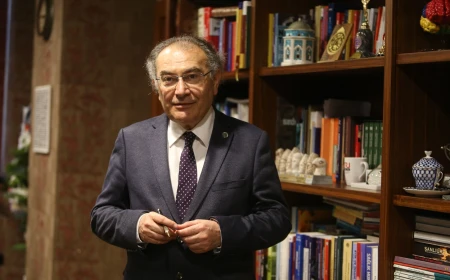
Dr. Zeynep Gümüş Demir of Üsküdar University’s Department of Psychology warned that elder abuse should not be understood solely as hitting, pushing or causing visible injuries. Humiliation, intimidation, financial exploitation, sexual abuse, neglect and the persistent removal of an older person’s right to make decisions can also constitute abuse.
The World Health Organization describes abuse of older people as a significant public health problem. It estimates that about one in six people aged 60 and over experienced some form of abuse in community settings during the previous year, while acknowledging that many cases remain unreported.
Elder abuse extends far beyond physical violence
Physical abuse can leave recognisable signs such as bruises, fractures, burns, repeated falls or injuries that cannot be adequately explained. These visible indicators often attract attention more quickly than emotional or financial harm.
Demir said abuse can also involve repeatedly shouting at an older person, belittling them, threatening them, ignoring their views or treating them as if they no longer have the right to shape their own lives. Preventing contact with friends and relatives or deliberately excluding someone from family activities can become a form of social and psychological control.


Unlike a physical injury, emotional abuse may leave no immediate external evidence. Its effects may instead appear through anxiety, fear, sleep difficulties, withdrawal, loss of confidence or a sudden reluctance to speak in front of a particular caregiver.
Changes in behaviour should therefore not automatically be dismissed as a natural consequence of ageing. A previously sociable person who becomes unusually quiet, frightened or tense may be experiencing pressure that requires careful and private assessment.
Fear and dependency can keep victims silent
A major barrier to identifying elder abuse is that the alleged abuser is often someone the older person knows, trusts or depends on. The individual may be a spouse, adult child, son- or daughter-in-law, another relative or a professional caregiver.


Older people who depend on someone for food, medication, transportation, personal hygiene or access to money may fear that speaking out will cause that assistance to stop. Those without alternative housing or a wider support network may believe that enduring mistreatment is safer than reporting it.
Some victims also remain silent because they do not want their child or spouse to face legal or social consequences. Others fear that they will not be believed, particularly when they have dementia, memory difficulties or communication problems.
Demir said abuse can become so normalised within a household that the victim may struggle to identify it. Constant criticism, control over daily decisions or the use of silence as punishment may gradually be accepted as ordinary family behaviour.
“Every older person who is unheard, unseen or neglected is a silent cry growing within society,” Demir said.
The silence surrounding abuse is therefore not only the result of individual fear. Families, neighbours and institutions can reinforce it when they treat harmful behaviour behind closed doors as a private matter.
Psychological and financial abuse may be difficult to detect
Financial exploitation can include taking control of an older person’s pension, using bank accounts without consent, pressuring them to transfer property or spending their money for someone else’s benefit.
Warning signs may include unexplained withdrawals, sudden changes to powers of attorney, missing valuables or a person with a regular income no longer having enough money for food, medication and basic living costs.
The harm extends beyond the financial loss itself. Losing control of personal income can also remove independence, undermine security and make it harder for an older person to leave an abusive environment.
Psychological abuse can take the form of threats, insults, humiliation, isolation, deliberate rejection or repeated suggestions that the person is incapable or burdensome.
Over time, this treatment may cause victims to blame themselves, lose confidence in their judgment or stop seeking help. Demir emphasised that conduct which damages an older person’s dignity should not be excused simply because it occurs within a family or caregiving relationship.
Sexual abuse and neglect must not be dismissed
Sexual abuse of older people remains particularly difficult to discuss and detect. A widespread but false assumption that older adults cannot be victims may prevent relatives, caregivers and professionals from recognising warning signs.
People with dementia, reduced mobility, speech difficulties or complete dependence on a caregiver may face greater vulnerability. They may struggle to describe what happened, distinguish inappropriate conduct or convince others that their account should be taken seriously.
Memory problems should not automatically be used to dismiss a disclosure. Unexplained fear of a particular person, sudden behavioural changes, physical complaints or resistance to being left alone with a caregiver may require sensitive investigation.
Neglect can be equally dangerous. Leaving an older person in dirty clothing or bedding, failing to provide adequate food and water, withholding medication or ignoring necessary medical treatment are not normal parts of ageing.
Repeated injuries, significant weight loss, poor hygiene, untreated pressure wounds, anxiety and recurring health problems may indicate inadequate care. These signs should be evaluated rather than attributed to old age without further examination.
Self-neglect also requires assessment and support
Not every dangerous situation is caused directly by another person. Self-neglect occurs when an older individual is unable or unwilling to maintain essential needs such as nutrition, hygiene, medication, medical appointments and a safe living environment.
Possible causes include physical illness, depression, cognitive decline, loneliness, financial hardship or the absence of reliable social support.
Demir cautioned against dismissing such situations as a personal choice without first understanding why the person can no longer sustain their care. Someone who refuses food, medication or medical assistance may be experiencing an untreated condition or may lack the practical ability to manage independently.
Support should respect personal autonomy while addressing immediate risks to health and safety. The objective is not to remove every decision from the older person but to restore the greatest possible level of independence with appropriate assistance.
Caregiver exhaustion does not justify mistreatment
Long-term caregiving can be physically, emotionally and financially demanding, particularly when responsibility falls on one family member without respite or professional support.
Financial pressure, family conflict, isolation and exhaustion can increase the risk of neglect or aggressive behaviour. However, Demir stressed that burnout cannot justify shouting, humiliation, punishment, violence or failure to provide essential care.
Caregivers themselves may need counselling, respite services, financial assistance or help from other relatives. Sharing responsibilities and seeking professional support before a crisis develops can protect both the caregiver and the person receiving care.
Suspected victims should, where possible, be spoken to privately and in a calm environment without the potential abuser present. Their statements should be taken seriously, and questioning should avoid blame or pressure.
When there is immediate danger, emergency services and relevant protection authorities should be contacted. Medical, psychological and social-care professionals also have an important role in documenting injuries, assessing neglect and connecting individuals with safe support.
Age-friendly societies must make abuse visible
Preventing elder abuse requires more than responding after serious harm has occurred. Families, health workers, financial institutions and social services need to recognise behavioural, physical and financial warning signs at an earlier stage.
Older people should also receive clear information about their rights, control over their money and available support services. Professionals should not automatically assume that injuries, fear, withdrawal or poor hygiene are inevitable consequences of ageing.
The WHO warns that elder abuse can cause serious physical injury and long-term psychological consequences. As populations age, prevention will increasingly depend on stronger support for caregivers, accessible reporting systems and services that protect both dignity and independence.
A society’s treatment of older people reflects the strength of its healthcare system, social policies and commitment to human dignity. Making abuse visible begins with refusing to treat silence, isolation and neglect as unavoidable parts of growing older.
WiseNewsPress.com
What's Your Reaction?
 Like
0
Like
0
 Dislike
0
Dislike
0
 Love
0
Love
0
 Funny
0
Funny
0
 Wow
0
Wow
0
 Sad
0
Sad
0
 Angry
0
Angry
0

Editor | Wise News Press — Delivering accurate, timely global news with integrity, insight, and editorial responsibility.




















Comments (0)