



Sberbank Chief Gref Warns Putin: Russia’s Economy Cannot Bear War
Sberbank chief Herman Gref warned that Russia’s economy cannot carry the burden of the Ukraine war, high interest rates and falling investment much longer.


By Ahmet Taş | Wise News Press
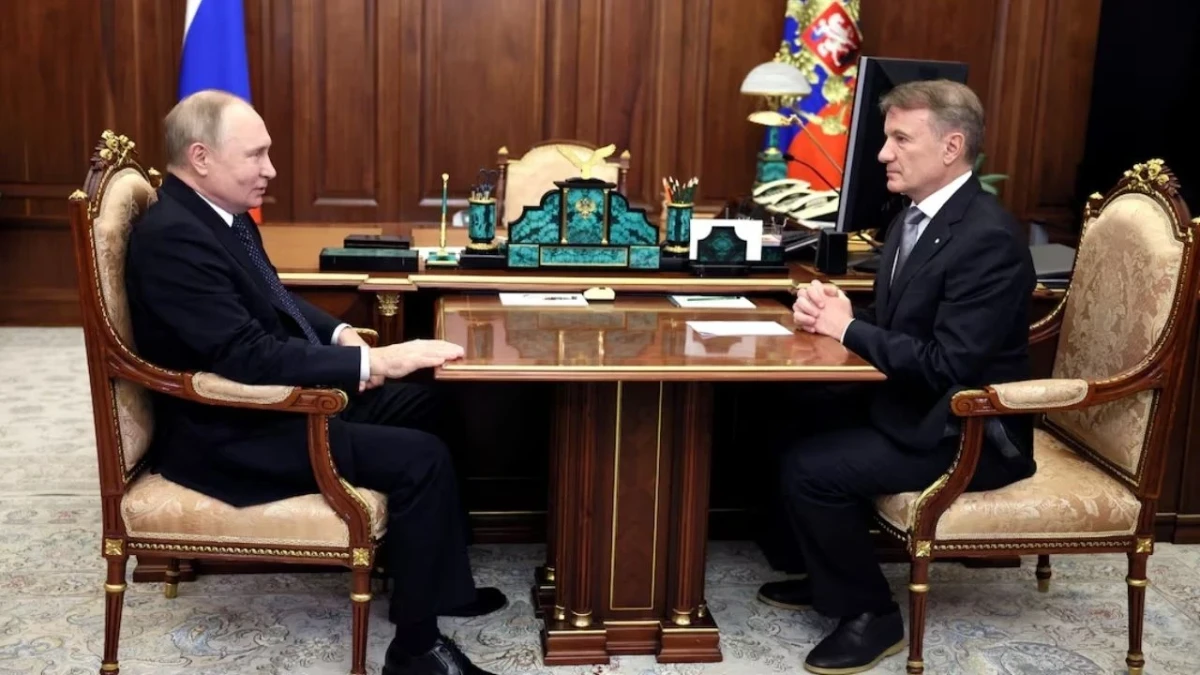
ANKARA, TÜRKİYE — Herman Gref, the head of Russia’s largest state-owned bank Sberbank, has warned that the country’s economy cannot carry the combined burden of war, high interest rates and falling investment for much longer.
Gref, one of Russia’s most influential financial figures, said the military conflict in Ukraine should end as soon as possible, arguing that the war has created deep pressure on the Russian economy.
His remarks came as Russia faces high borrowing costs, fuel shortages, falling investment and growing concerns over the long-term sustainability of its wartime economy.
Gref calls for the war to end
Speaking on Russian state television, Gref said ending the military conflict had become the most important priority for the country.
He argued that almost everyone in Russia was now concerned about the same issue: the need to bring the war to an end.
“I do not think there is anyone in this country who has a more important priority than ending the military conflict as soon as possible,” Gref said.


The statement was notable because it came from the head of Sberbank, Russia’s largest state bank and one of the most important institutions in the country’s financial system.
“The economy cannot carry this burden”
Gref warned that Russia’s economy is struggling under extremely high real interest rates.
He said the current level of interest rates is placing a heavy burden on businesses, investment and overall economic activity.


According to Gref, the economy has been slowed more than necessary in the fight against inflation. He described the current monetary policy approach as unreasonable and argued that interest rates should be lowered.
He warned that if rates remain high for too long, Russia could face deeper investment losses, pressure on wages and possible layoffs.
Central Bank policy remains under pressure
Russia’s Central Bank raised its key interest rate to 21% in late 2024, the highest level in two decades, as it tried to control inflation.
The rate was later reduced to 14.25% in June. However, concerns over the budget deficit, war spending and disruptions in the domestic fuel market have raised expectations that borrowing costs could remain high for an extended period.
Gref’s criticism reflects a broader concern among Russian business and banking circles: the state is trying to contain inflation, but the medicine may be weakening the economy’s ability to grow.
High rates make loans more expensive, discourage investment and increase pressure on companies that already face sanctions, supply problems and uncertainty linked to the war.
Investment decline raises alarm
Gref said investment in Russia has fallen by more than 14% and could decline by another 3% this year.
That warning points to one of the most serious risks facing the Russian economy. While defense spending has increased, private investment and long-term productive capacity appear to be weakening.
A fall in investment can affect factories, construction, technology, energy, infrastructure and employment. If businesses delay projects or cut spending, the impact can spread through the wider economy.
Gref also warned that falling wages and layoffs could follow if the pressure continues.
Fuel shortages and budget strain deepen the problem
Russia is also facing pressure from fuel market disruptions and rising budget costs.
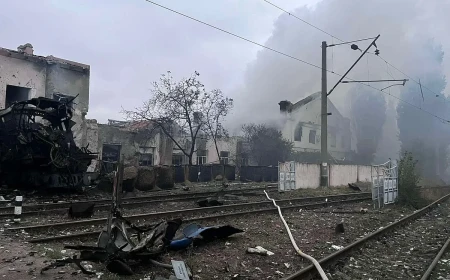
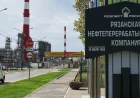
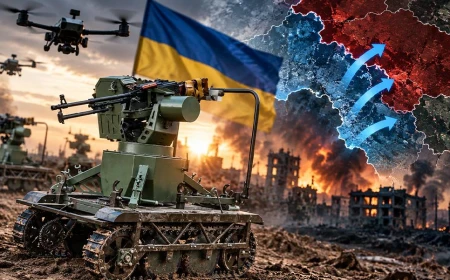
Ukraine has intensified long-range attacks on Russian energy infrastructure in recent months, targeting refineries, fuel depots and logistics facilities. These attacks have increased concerns over domestic fuel supply in several regions.
For one of the world’s largest energy producers, fuel shortages are not only an economic problem but also a political signal.
The war has forced Russia to spend heavily on defense while also managing sanctions, inflation, labor shortages and infrastructure damage. The longer the conflict continues, the harder it becomes to separate military pressure from economic pressure.
Gref and Putin have disagreed before
This is not the first time Gref’s economic assessments have appeared to differ from the Kremlin’s preferred message.
Last year, Gref warned of stagnation in the Russian economy. President Vladimir Putin rejected that interpretation and defended the government’s actions against inflation.
The latest remarks therefore carry political weight. They show that even within Russia’s senior economic establishment, concerns about the cost of the war are becoming harder to hide.
Gref did not directly attack Putin’s war policy. But by saying that ending the military conflict should be the country’s highest priority, he delivered one of the clearest economic warnings from a senior Russian financial figure.
The cost of war is becoming harder to conceal
Since the full-scale invasion of Ukraine began in February 2022, Russia has tried to present its economy as resilient despite Western sanctions and massive military spending.
For a time, high energy revenues, state spending and wartime production helped Moscow absorb some of the pressure.
But Gref’s comments suggest that the strain is now becoming more visible. High interest rates, falling investment, fuel supply problems and possible wage pressure point to deeper structural risks.
The warning from the Sberbank chief is therefore more than a banking-sector complaint.
It is a message that the Russian economy may be approaching a point where the cost of war can no longer be managed through high rates, state spending and political messaging alone.
WiseNewsPress.com
What's Your Reaction?
 Like
0
Like
0
 Dislike
0
Dislike
0
 Love
0
Love
0
 Funny
0
Funny
0
 Wow
0
Wow
0
 Sad
0
Sad
0
 Angry
0
Angry
0

Editor | Wise News Press — Delivering accurate, timely global news with integrity, insight, and editorial responsibility.













Comments (0)