


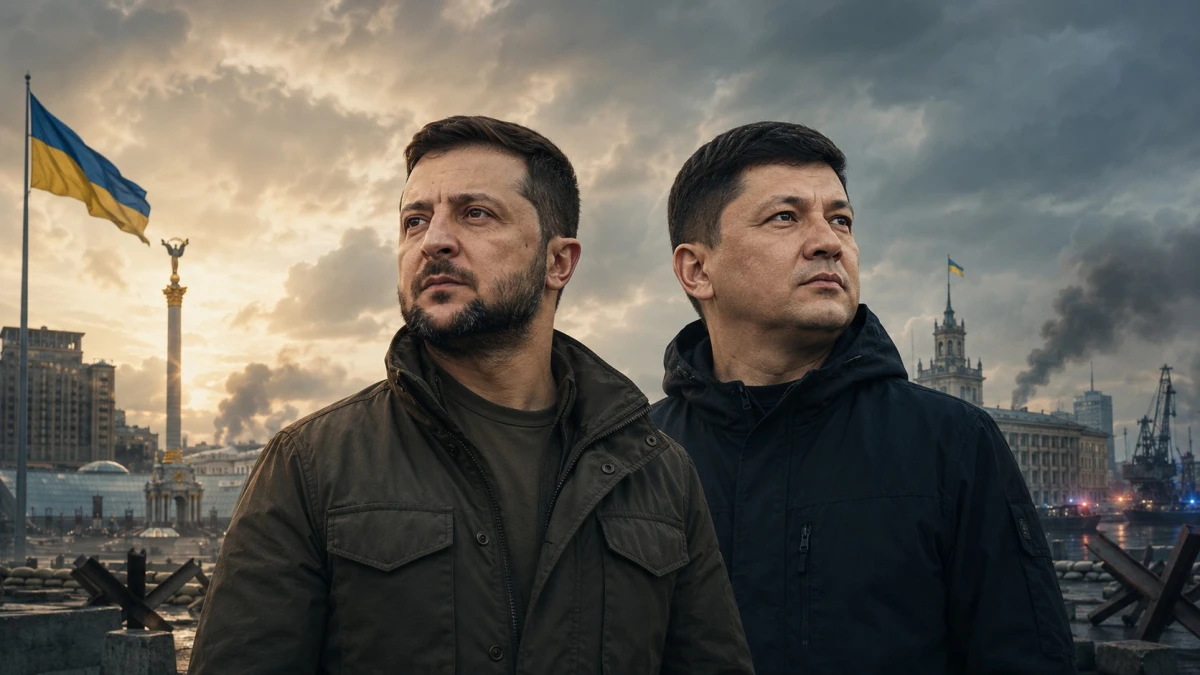
Two Symbols of Ukraine’s Resistance: Zelenskyy and Vitalii Kim in the Decisive Days of War
An opinion analysis on how Volodymyr Zelenskyy, Vitalii Kim and Ukraine’s unnamed heroes became symbols of resistance in the decisive days of war.


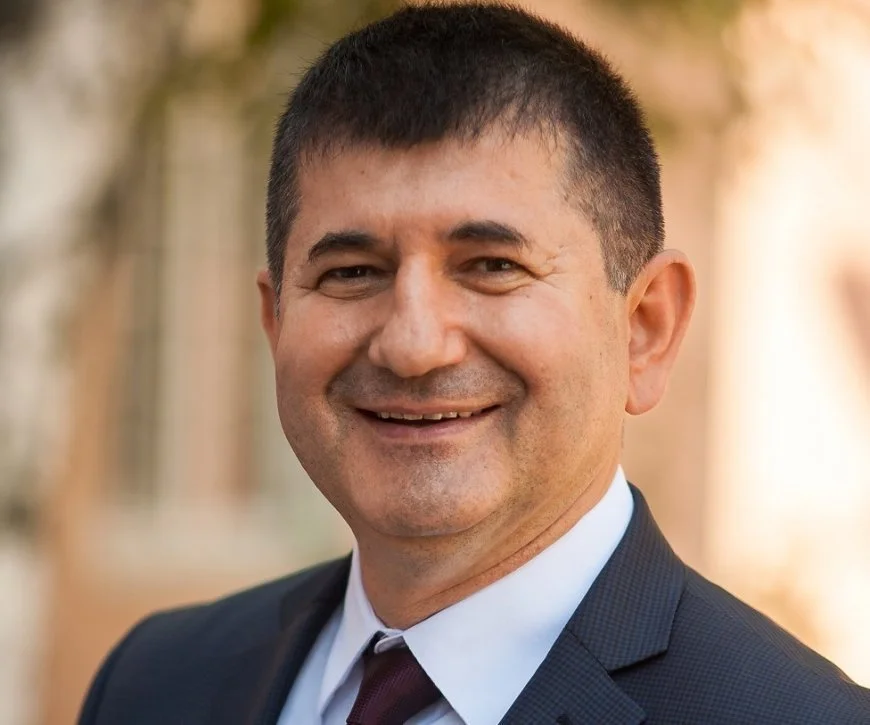
Yusuf Inan
Journalist and Author | Political and Strategic Analyst
KYIV, Ukraine — In the history of Russia’s full-scale war against Ukraine, some moments became more than political gestures; they became acts of national survival.
This is not only a story about two public figures. It is a story about the psychology of resistance, the moral weight of leadership and the courage of a society that refused to collapse when the Kremlin expected fear, confusion and surrender.


The first symbol: Zelenskyy stayed in Kyiv
The first defining moment came in Kyiv in February 2022.


As Russian forces advanced toward the Ukrainian capital, President Volodymyr Zelenskyy did not leave the country. The widely reported line attributed to him — “I need ammunition, not a ride” — became one of the most powerful political messages of the war after reports that the United States was prepared to help him evacuate.
Even more important was the image that followed: Zelenskyy standing in Kyiv with senior officials, telling the country and the world that Ukraine’s leadership remained in place. In those first hours, that message mattered as much as any speech. It told soldiers, police officers, civil servants, local officials and ordinary citizens that the state had not abandoned them.
A state can lose buildings, roads and territory. But if its political will collapses, the defeat begins inside the mind. Zelenskyy’s decision to remain in Kyiv helped prevent that psychological collapse.
A different message could have changed the war
Wars are not decided only by tanks, missiles and artillery. They are also decided by trust.
If Kyiv had sent a signal of panic in the first days of the invasion, the effect could have spread across the country faster than any official order. Panic is contagious. But so is courage.
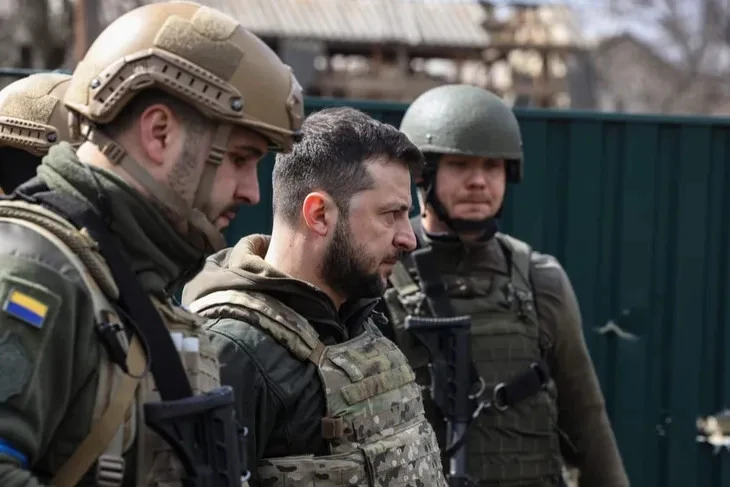
Zelenskyy’s message was simple: the state is here, the army is fighting, the people are not alone.
That did not stop Russian armor by itself. Ukrainian soldiers, territorial defense units, police officers, intelligence officers, volunteers, doctors, railway workers, energy crews and ordinary citizens did that. But the president’s presence gave the resistance a visible center.
That is why the first image matters. It was not merely a video. It was a national answer to an imperial plan.
The second symbol came from Mykolaiv
The second symbol came from the south, from the hero city of Mykolaiv.
After Kherson fell under Russian occupation in the early phase of the invasion, the situation in southern Ukraine became critical. Kherson was the only regional capital captured by Russian forces after the start of the full-scale invasion, and its later liberation became one of Ukraine’s most important symbolic victories.
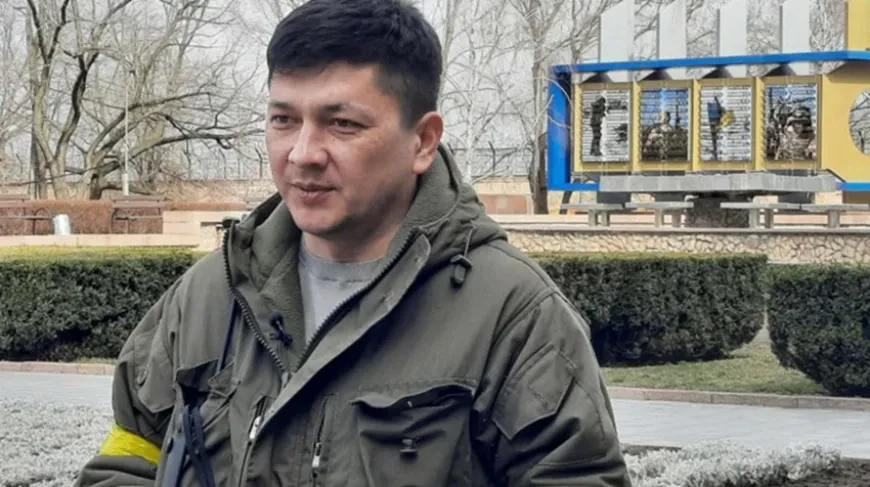
In that moment, Mykolaiv was not just another city. It was a shield. If Mykolaiv had fallen, the road toward Odesa and the wider Black Sea coast would have become far more dangerous.
Vitalii Kim, the head of the Mykolaiv Regional Military Administration, understood the power of public presence. Through frequent video messages and visible communication, he helped project calm, order and defiance from a city under threat. Western coverage described him as a charismatic regional leader whose daily updates made him a popular figure across Ukraine.
Mykolaiv showed that the south was not abandoned
Kim’s importance was not only administrative. It was psychological.
His message was similar to Zelenskyy’s message from Kyiv: we are here, the state is working, the army is defending, the city is not abandoned.
That mattered because Mykolaiv was a front-line symbol. It carried the fear of what might happen after Kherson, but also the possibility that Russia’s southern advance could be stopped.
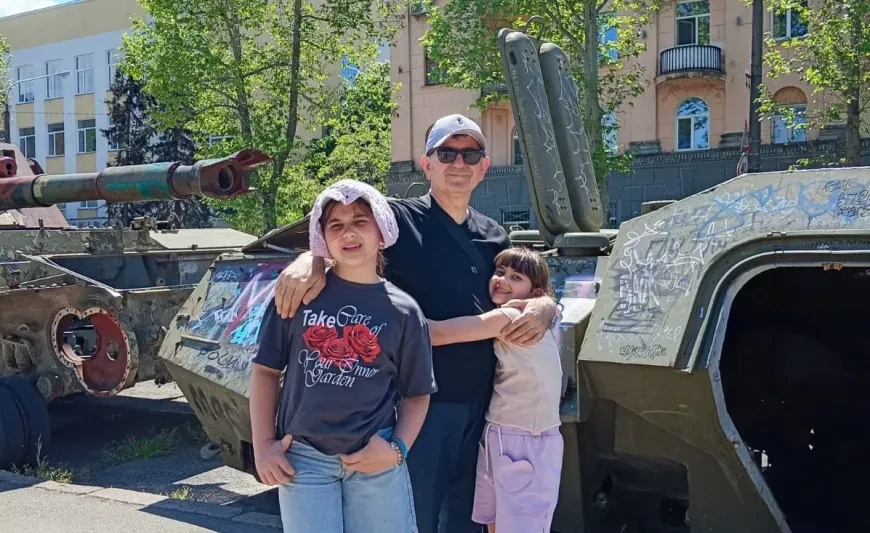
Mykolaiv endured attacks, destruction and enormous pressure. The city later received the honorary title of Hero City of Ukraine, a recognition of its role in resisting Russian aggression.
But the defense of Mykolaiv was not the work of one man. It belonged to soldiers, commanders, police officers, rescue workers, doctors, volunteers, municipal workers and residents who kept the city alive while Russian forces tried to break it.
Kim became the visible face of that spirit.
Kherson proved that occupation was not destiny
Kherson remains one of the deepest wounds and one of the strongest symbols of this war.
Its occupation was painful. Its liberation showed that Russian control was not irreversible.
When Zelenskyy visited liberated Kherson in November 2022 and took part in the raising of the Ukrainian flag, the message was again larger than the event itself. It told Ukrainians that occupation was not the final chapter. It told the world that Russia could be pushed back.
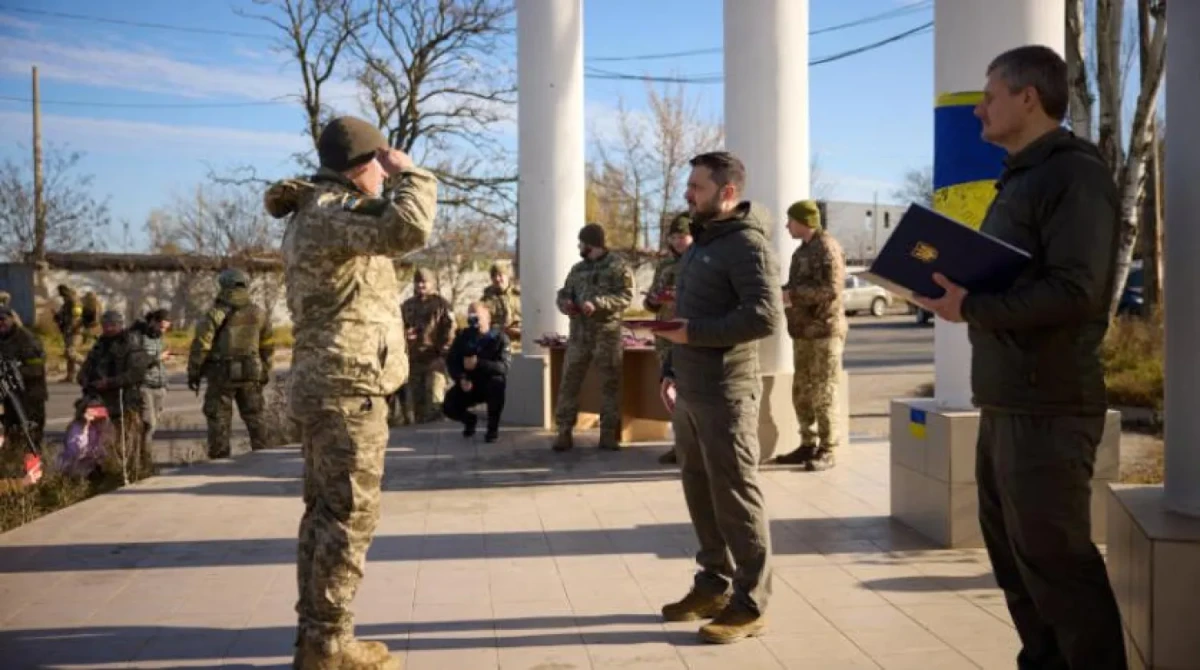
Kyiv, Mykolaiv and Kherson became three different images of the same national story: the capital that did not run, the southern shield that did not collapse and the occupied city where the Ukrainian flag returned.
Russia also fights through fear and division
Russia’s war is not fought only with missiles and drones. It is also fought through fear, disinformation, provocation and attempts to divide Ukraine from its allies.
That is why Ukraine’s security institutions, including the SBU, carry a responsibility that goes beyond classical counterintelligence. They must protect the state not only from military threats, but also from psychological and informational sabotage.
Reuters reported in 2024 that Ukraine’s SBU said it had broken up a pro-Kremlin “informational sabotage” network allegedly intended to spread Russian narratives and destabilize society. Poland has also warned that Russia seeks to exploit tensions linked to Ukraine through sabotage and information operations, showing that Moscow’s hybrid strategy extends beyond the battlefield.
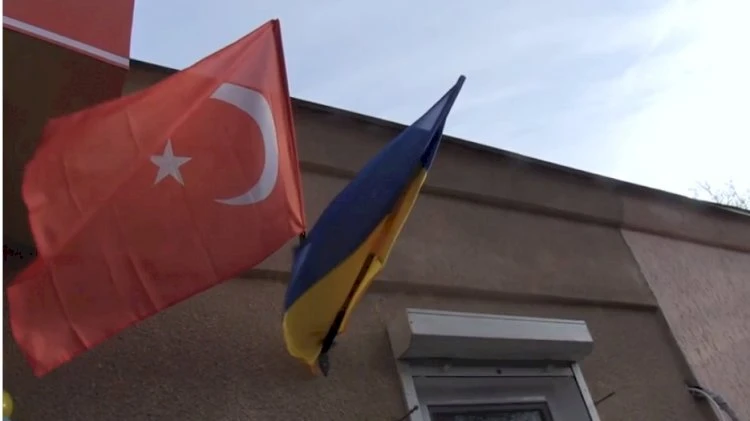
For Ukraine, preserving trust with partners is therefore part of national defense. That includes the strategic bridge between Ukraine and Turkey, the relationship between the Ukrainian and Turkish peoples and the political understanding between Kyiv and Ankara.
In war, the enemy always tries to poison bridges. Ukraine’s task is to protect them.
The heroes are not only those in front of cameras
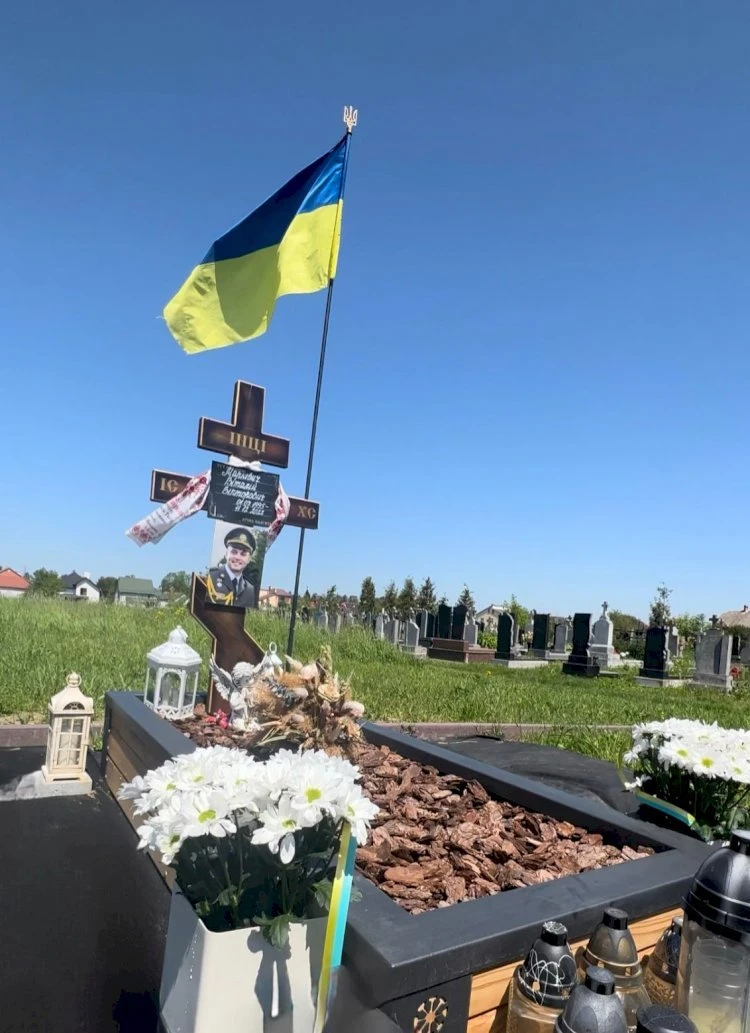
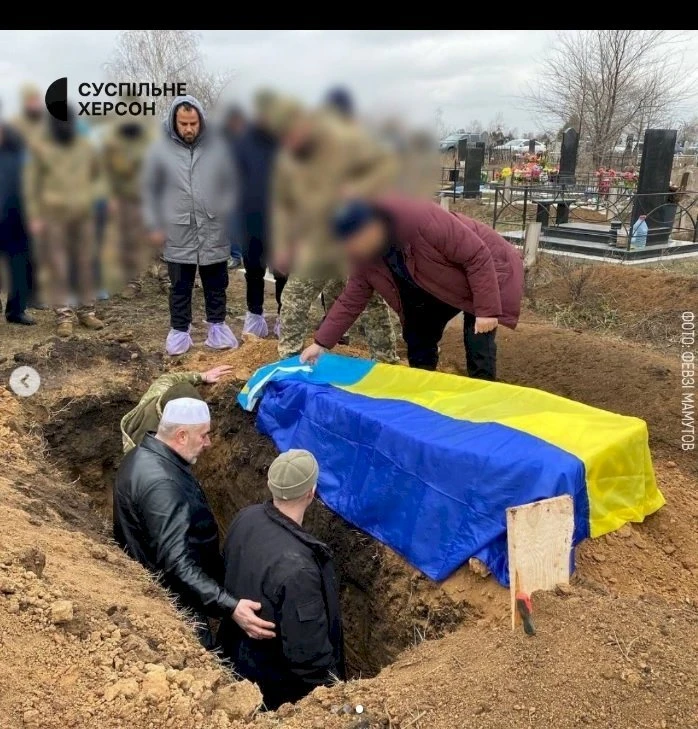
When we speak about Zelenskyy and Kim, we must also remember those whose names will never become headlines.
*
*

*
The soldiers who did not return from the trenches.
The police officers who worked under shelling.
The rescuers who pulled people from rubble.
The doctors who operated without rest.
The parents who buried children.
The children who lost parents.
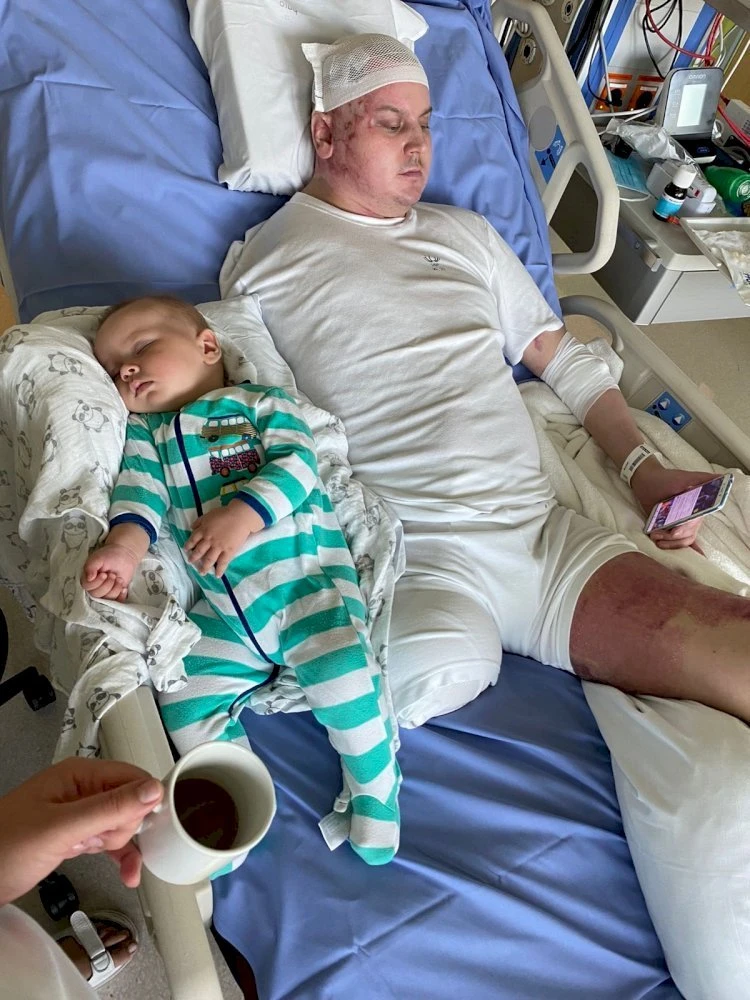
The wounded who are learning to live again.
The families of the fallen who carry grief in silence.
The volunteers who filled every gap the state could not immediately reach.
There are heroes on the front line. There are heroes in hospitals. There are heroes in evacuation buses, basements, train stations, police cars, fire trucks, newsrooms and kitchens where the last piece of bread was shared.
They are the people who saved not only Ukraine’s territory, but also the honor of humanity.
Two images Ukraine should preserve
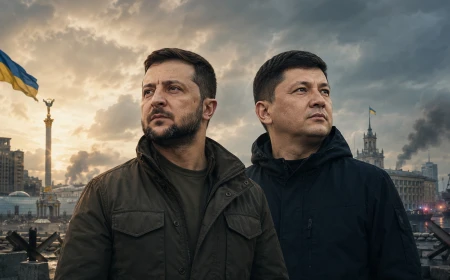
If, as a journalist and writer, I were asked which images best explain Ukraine’s resistance, I would point to two.
The first: Zelenskyy in Kyiv, showing that the state had not fled.
The second: Vitalii Kim in Mykolaiv, showing that the south had not been abandoned.
Beside them stands a third image: Zelenskyy in liberated Kherson, where the Ukrainian flag returned to a city Russia tried to claim as its own.
These images should not disappear into the archives of Telegram channels, news feeds and social media timelines. Ukraine has the right to preserve them in museums, public squares, textbooks and national memory.
Not for a cult of personality.
But for the memory of a moment when the state could have collapsed — and did not.
Glory to those who did not let Ukraine break
The war has entered its fifth year. Ukraine has paid an unbearable price. But that price is not empty if the nation preserves its state, its dignity and its memory.
Volodymyr Zelenskyy, Vitalii Kim and many other leaders whose names are not always known outside Ukraine became part of this wider story. They did not replace the people. They became the voice of a people who refused to kneel.
Glory to Ukraine’s soldiers.
Glory to the families of the fallen.
Glory to the wounded and the veterans.
Glory to the mothers, fathers, children and volunteers.
Glory to the cities that endured.
Glory to Kyiv, Mykolaiv, Kherson, Odesa and all of Ukraine.
And may the souls of the fallen see from the Ukrainian sky that their sacrifice was not in vain.
Yusuf Inan
WiseNewsPress.com
Yusuf Inan is a journalist and writer. He serves as Editor-in-Chief of UAPresa.com, WiseNewsPress.com, SehitlerOlmez.com and YerelGundem.com, and specializes in strategic and political analysis of Turkish and global affairs.
What's Your Reaction?
 Like
0
Like
0
 Dislike
0
Dislike
0
 Love
0
Love
0
 Funny
0
Funny
0
 Wow
0
Wow
0
 Sad
0
Sad
0
 Angry
0
Angry
0

Editor | Wise News Press — Delivering accurate, timely global news with integrity, insight, and editorial responsibility.












Comments (0)