



German gas storage levels fall to 35% amid harsh winter
Germany's natural gas reserves have dropped to 35 percent due to prolonged cold spells, prompting Chancellor Merz to seek new energy deals with Gulf states.


By Ahmet Taş | Wise News Press
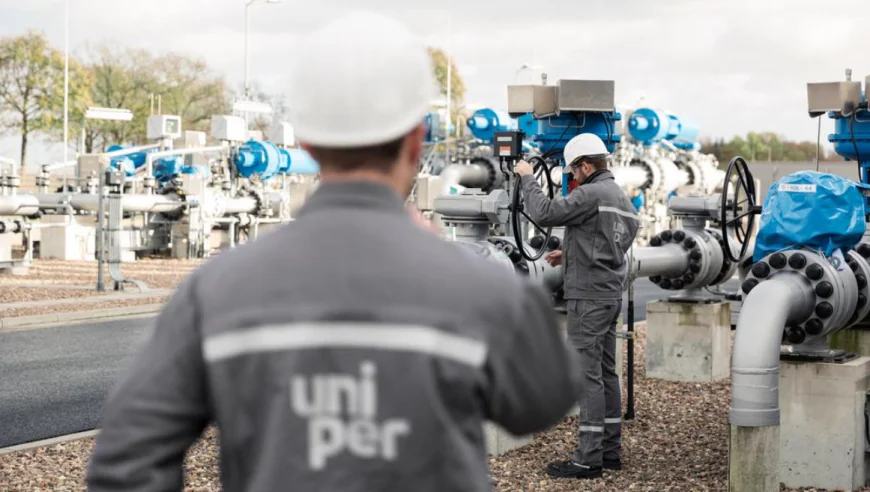
BERLIN, GERMANY — Germany's natural gas storage levels have plummeted to 35 percent following a harsh winter and extended cold spells, raising concerns about supply security and prompting the government to accelerate efforts to diversify energy sources beyond U.S. imports.
As Europe's largest economy grapples with increased consumption and potential supply bottlenecks, Berlin is turning to Gulf nations to secure long-term contracts and stabilize prices ahead of the summer refilling season. While media reports suggest current reserves might theoretically last only six weeks, federal officials insist there is no immediate cause for panic.
Reserves at critical low
The winter season has proven exceptionally severe this year, driving up energy demand across the country. According to reports from Focus magazine and news channel ntv, the current storage levels have significantly reduced the system's flexibility to handle further cold snaps.
While the European Union average for gas storage stands at 44 percent, Germany's level has dipped to 35 percent. This discrepancy raises the risk of needing to import gas at high costs during the summer months to replenish stocks.
Olaf Geyer, Head of Energy & Utilities at strategy consultancy Arthur D. Little, noted that under normal conditions, the situation remains manageable. "We will exit the winter with low storage levels, and the real question is: How will these facilities be refilled?" Geyer warned.


Government assures supply security
Despite growing public concern, the Federal Ministry for Economic Affairs and Climate Action (BMWK) and the Federal Network Agency maintain that supply is secure. Ministry spokesperson Susanne Ungrad emphasized the strength of Germany's LNG infrastructure, while Fiete Wulff, spokesperson for the Federal Network Agency, stated, "We do not see a danger to gas supply at this time. A threat would only arise from unforeseen events, such as terror attacks or the failure of major import pipelines."
Merz seeks Gulf partnerships
In a bid to reduce reliance on U.S. LNG—which currently accounts for 96 percent of Germany's liquid gas imports—Chancellor Friedrich Merz led a high-profile business delegation to the Gulf region this week. The move comes amid uncertainty surrounding U.S. energy policies under President Donald Trump.
During the visit, Michael Lewis, CEO of the German energy giant Uniper, expressed a strong interest in deepening cooperation with Saudi Arabia, Qatar, and the United Arab Emirates. "Additional sources can help diversify Europe's energy supply and reliably operate hydrogen-ready gas power plants from 2030 onwards," Lewis said, advocating for long-term contracts to ensure affordable pricing.


Source : DW
What's Your Reaction?
 Like
0
Like
0
 Dislike
0
Dislike
0
 Love
0
Love
0
 Funny
0
Funny
0
 Wow
0
Wow
0
 Sad
0
Sad
0
 Angry
0
Angry
0

Editor | Wise News Press — Delivering accurate, timely global news with integrity, insight, and editorial responsibility.















Comments (0)