



Ihor Fedorenko ‘Arktika’: From Life in Europe to Marine Commander
Captain Ihor Fedorenko returned from Europe to defend Ukraine, became a Marine company commander and was killed in the Kharkiv region at the age of 28.
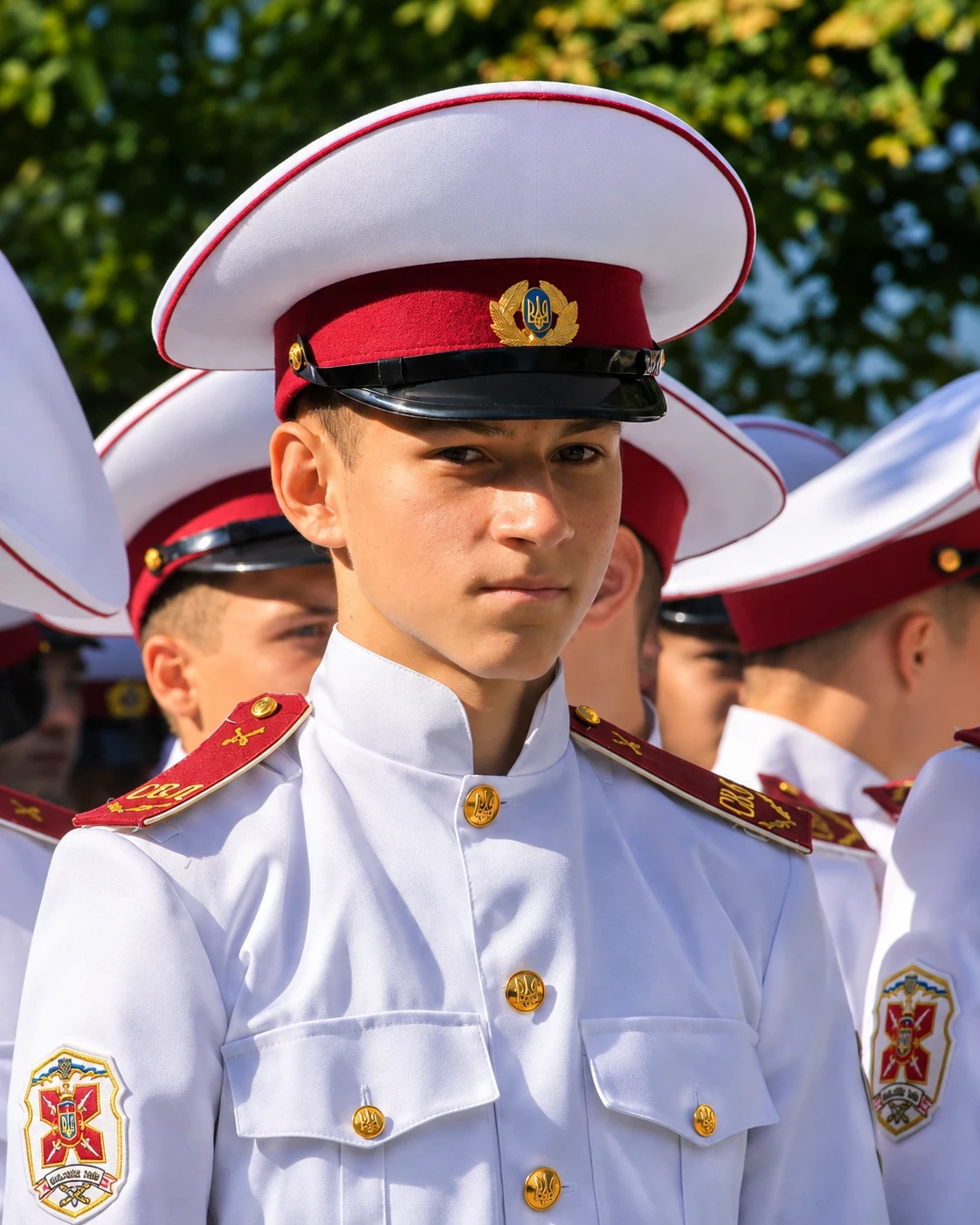


Yusuf Inan | Wise News Press
Ihor Fedorenko ‘Arktika’: A Marine Captain’s Path and a Mother’s Memories
Captain Ihor Fedorenko left a peaceful life in Europe to defend Ukraine, became a Marine company commander and was killed at the age of 28. His mother, Yuliia Fedorenko, told Wise News Press the story of her son—from his difficult birth and childhood dreams to combat missions, final messages and her campaign for recognition of his service.
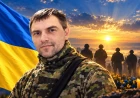
HLUKHIV, UKRAINE — Captain Ihor Ihorovych Fedorenko of the Armed Forces of Ukraine, call sign “Arktika,” was killed in the Kharkiv region on August 1, 2024. He commanded the 1st Specialized Rifle Company of the Shkval Battalion within the 36th Separate Marine Brigade. He was 28 years old.
On November 4, 2026, his mother, Yuliia Fedorenko, launched an electronic petition addressed to the president of Ukraine, requesting that her son be awarded the title Hero of Ukraine posthumously.
When she contacted the Wise News Press editorial team, she provided photographs, documents and detailed memories of Ihor’s life. She wants people to look beyond his military rank, decorations and the official reports of his death and see the person her son was: a curious boy, a caring older brother, a man with a challenging character and an officer who felt responsible for the soldiers under his command.
His death and military service are documented in official and local records. The personal episodes at the heart of this story were shared directly with the editorial team by Yuliia Fedorenko. Details of individual combat operations are also included in her official petition.
The boy whose mother feared for his life from birth
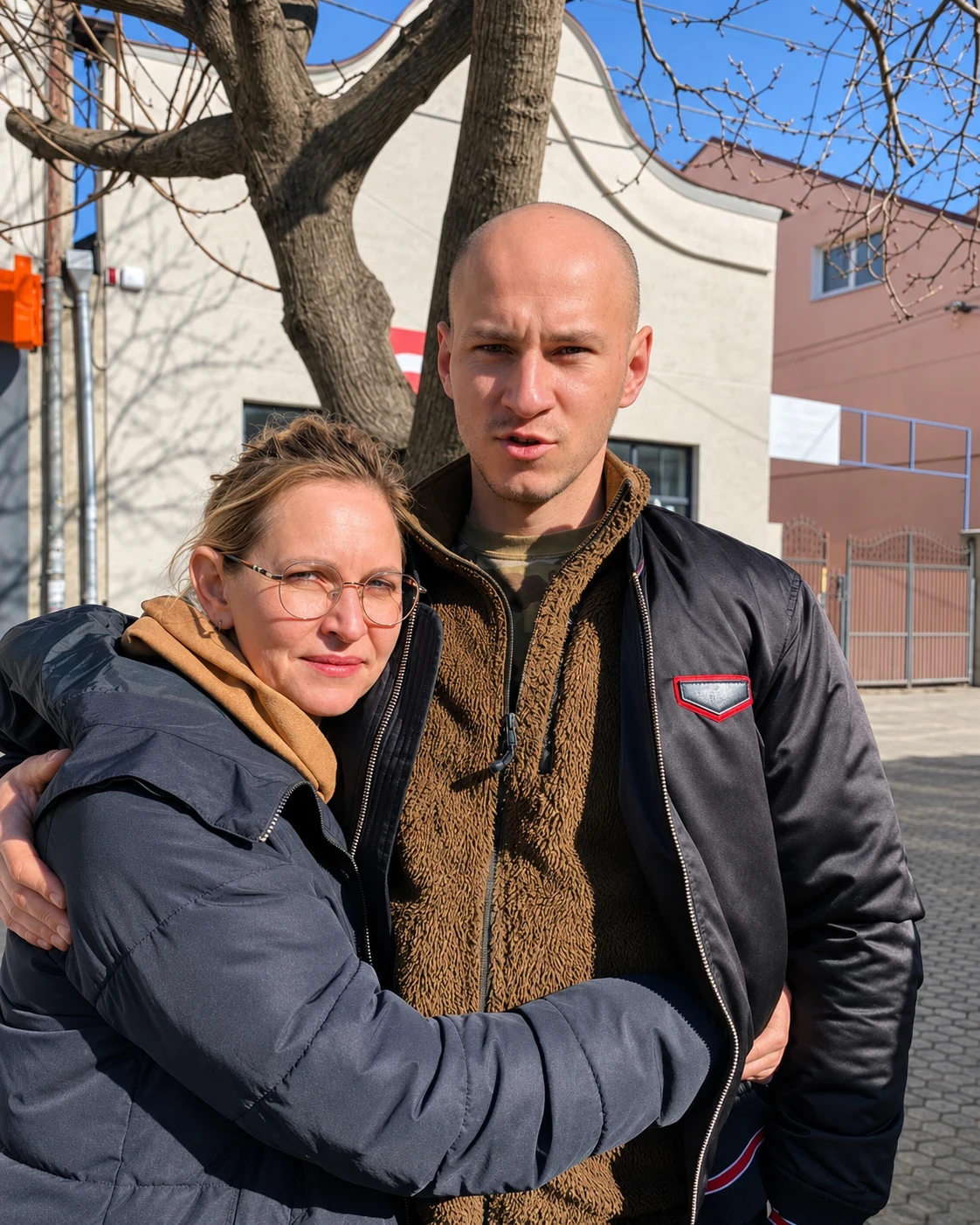
Ihor Fedorenko was born in Hlukhiv, Sumy region, on October 24, 1995. His birth followed a difficult delivery, and the first weeks of his life became a serious ordeal for his mother.
According to Yuliia, her son was born weak and was frequently ill, leaving her constantly worried about his health. For almost a month, his parents were unable even to decide on a name.
While they were still in the hospital, the chief physician entered the ward. When she saw the baby, she greeted him by saying:
“Hello, Ihor!”
His mother was surprised and explained that the child had not yet been given a name. The doctor replied that the name Ihor suited the boy very well.
According to the family’s memories, that was how he received his name. The weak infant later became the man his fellow servicemen knew as a resilient officer with the call sign “Arktika.”
‘Professor’: Childhood, books and his first chess medal
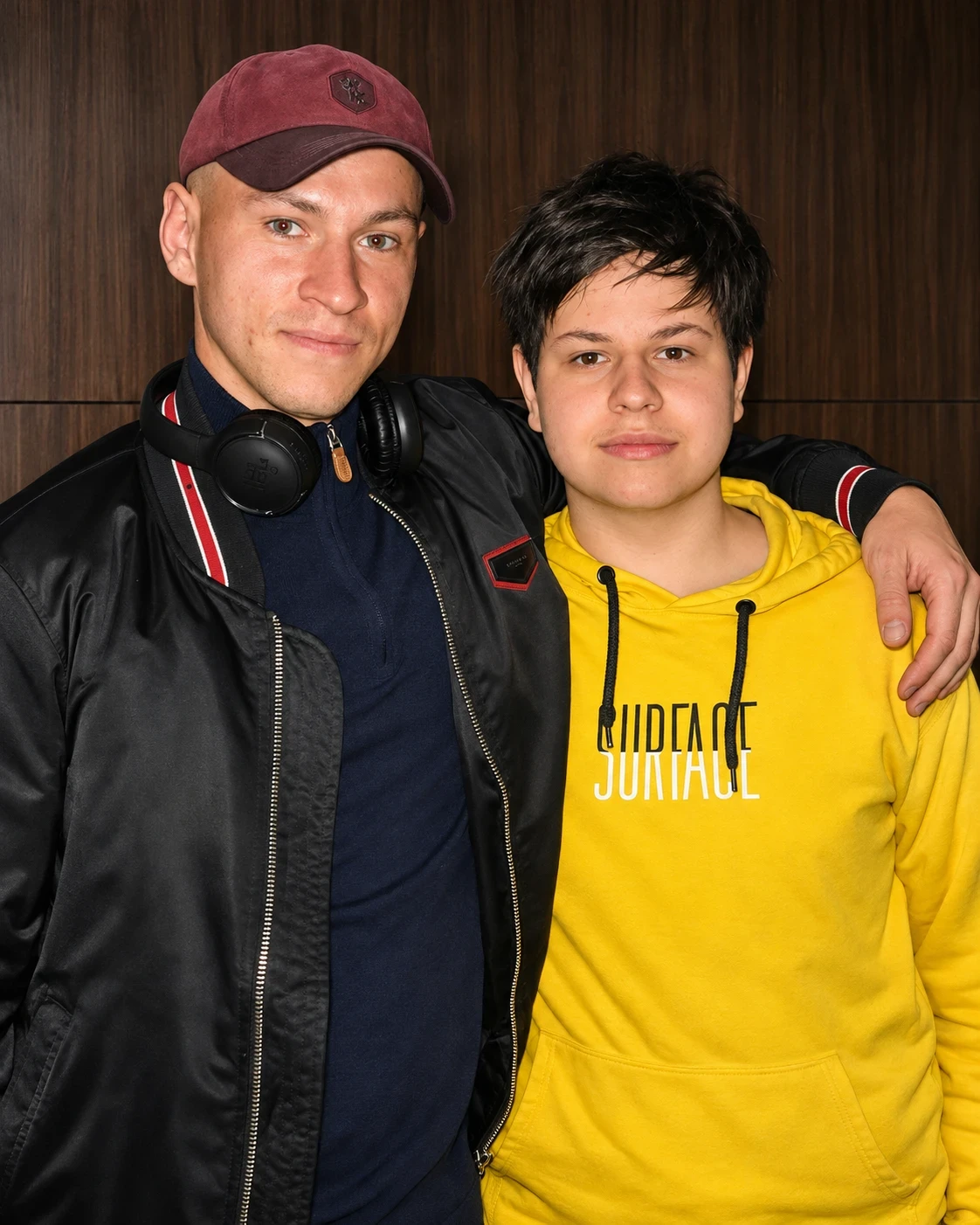
Yuliia recalls that Ihor demonstrated independence, curiosity and a desire to understand everything on his own from an early age.
When the time came for him to attend kindergarten, his mother was so worried that she waited nearby for several hours. The boy, however, quickly adapted to his new surroundings. He ate lunch and calmly fell asleep alongside the other children.
At kindergarten, Ihor was nicknamed “Professor.” He taught himself to read and count. By the age of four and a half, he knew the alphabet and could count to 100.
Because of health problems, he started school at the age of seven. He studied successfully, participated in academic competitions, read extensively and was not afraid to defend his opinions.
His mother remembers an occasion when Ihor argued with a teacher about the temperature at which ice melts. He insisted that under normal atmospheric pressure, ice melts at 0°C and tried to prove that his answer was correct.
That character sometimes created difficulties, but principle and precision were important to Ihor from childhood.
At the age of 11, he won a bronze medal at a regional chess competition. What made the achievement unusual was that he had begun preparing seriously for the tournament only about a month before it took place. His father and grandfather helped him learn the fundamentals of the game.
Yuliia still remembers seeing her son returning home with the medal attached to his jacket. To others, it may have appeared to be an ordinary childhood sports award. To the mother who had once feared for her newborn son’s life, it meant far more.
Faith, the cadet corps and tests of character
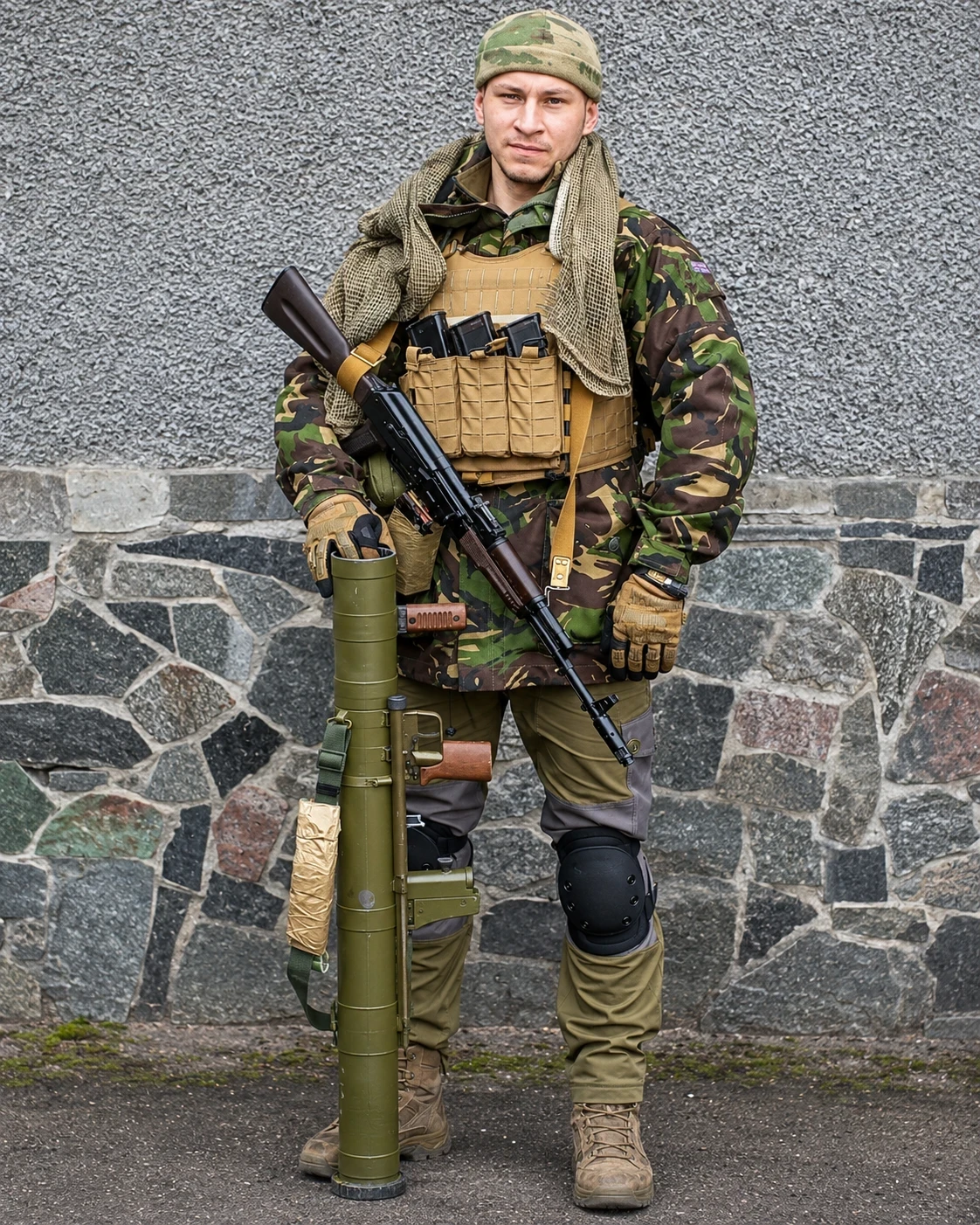
Faith played an important role in Ihor’s childhood. After his grandmother died when he was 11, he began attending Sunday services on his own. He later assisted the priest.
According to his mother, Archbishop Luke of Konotop and Hlukhiv noticed the boy. About a year later, Ihor became a subdeacon and assisted during episcopal services until the ninth grade.
When the archbishop was transferred to Zaporizhzhia, Ihor wanted to go with him. Yuliia recalls that the archbishop told the boy that another path awaited him.
After the ninth grade, Ihor decided to apply to the Sumy Cadet Corps. Physical training was difficult for him. He struggled with running and pull-ups, but trained every day throughout the summer, ran through the forest and gradually met the required standards.
Ihor entered the cadet corps and even became a company sergeant major. His independent character, however, did not always fit easily with the institution’s strict discipline. After approximately six months, he returned to an ordinary city school, which he later completed successfully.
His mother remembers another incident that illustrated her son’s stubbornness. He once insisted on buying winter boots that Yuliia considered insufficiently warm. Ihor wore them for an entire month but never once complained about being cold.
At the age of 16, he suffered a compression fracture of the spine during a parachute jump, according to his mother. Ihor told no one about the injury. The family learned of it only about a month later, after another fall led to a medical examination.
Yuliia says her son knew how to endure pain and disliked complaining. That quality made her feel both proud and worried.
‘He is a human being’: The kindness his mother never forgot
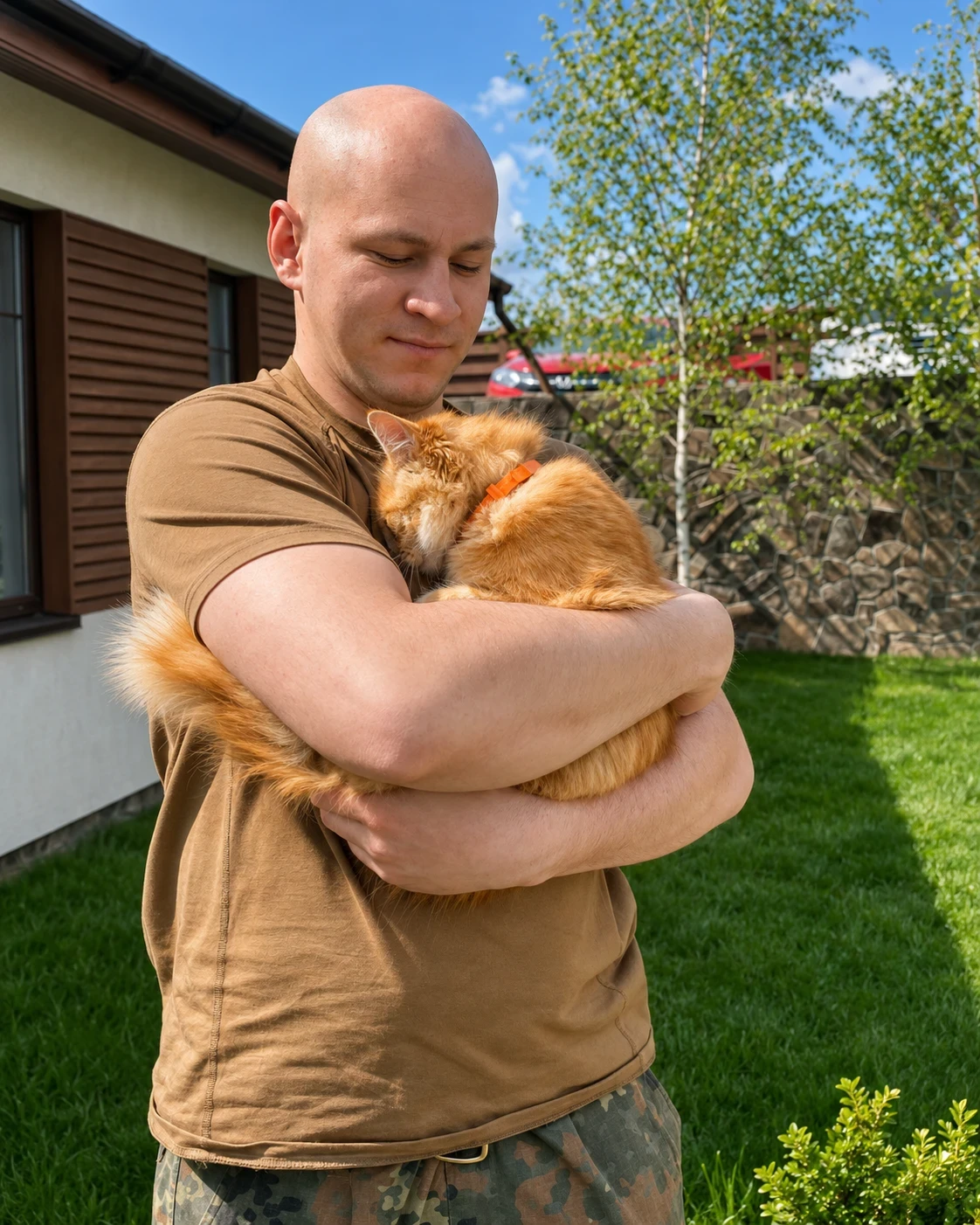
Behind Ihor’s outward strictness, his mother says, was a compassionate person. He loved animals. The family kept cats, dogs, parrots, guinea pigs, fish and even a spider. His love for animals continued into adulthood.
One childhood incident, however, remained especially vivid in Yuliia’s memory.
Ihor once ran home from school and urgently asked her to call an ambulance. A man was lying on the road and, in the boy’s opinion, needed medical help. Passers-by explained that he was a homeless man.
Ihor gave a brief response:
“He is a human being.”
For his mother, those words became one of her most important memories of her son.
Another story involves their neighbor Natasha, a mathematics teacher who was paralysed and confined to bed. Following her husband’s death, the woman was left alone with a young child.
Yuliia wanted to help her neighbor and proposed arranging mathematics lessons for her. Ihor became her first student. At first, the boy protested because he was confident in his own mathematical knowledge. After learning about the woman’s difficulties, however, he agreed.
He continued attending her lessons until he entered university. The teacher considered Ihor talented, although restless. On one occasion, she even discovered that he could type messages on his phone with his toe while hiding the device under the table.
It was Natasha who once asked him what he dreamed of becoming.
“I want to become a general,” Ihor answered.
An older brother, his family and the daily ‘+’ sign
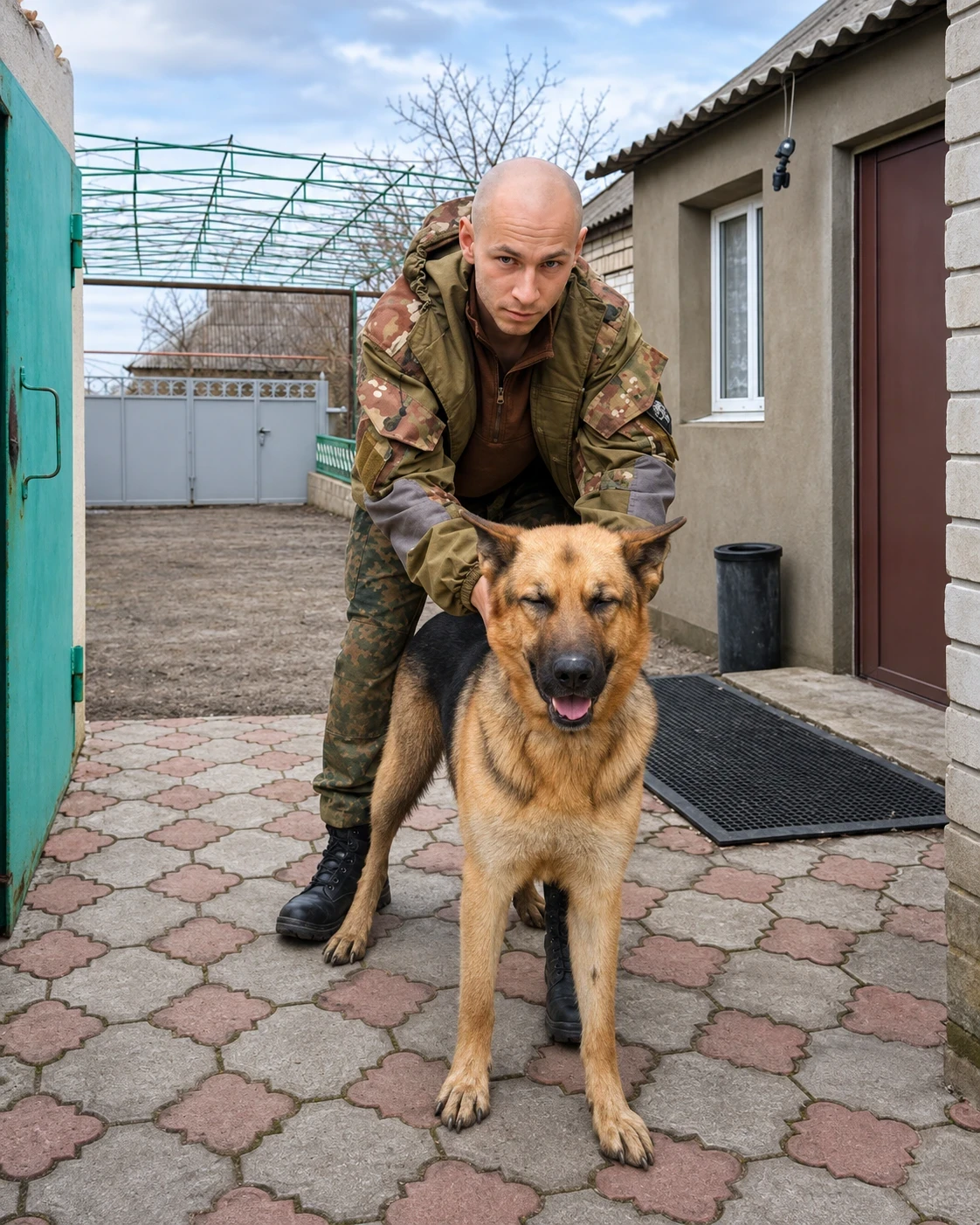
Ihor’s younger brother Timur, whose birth he had eagerly awaited, held a special place in his life. There was an 11-year age difference between them.
Yuliia says Ihor welcomed Timur with great happiness, helped care for him and spent considerable time with him. Like most brothers, they also had ordinary childhood disagreements. Timur wanted to stay in Ihor’s room, took his belongings and occasionally damaged them. Their affection for one another nevertheless remained strong.
When Ihor studied or worked abroad, he constantly asked about Timur. Whenever he returned home, he embraced his younger brother, taught him how to use a computer and tried to encourage him to become independent.
Ihor also maintained a very close relationship with his mother. Yuliia says she tried to raise her sons not through punishment, but by explaining that they were responsible for their actions. She wanted them not to hide their mistakes or be afraid to tell the truth.
Even as an adult, Ihor tried to call her every day. When work or military service prevented him from speaking, they had a small agreement: it was enough for him to send a “+” sign so that his mother would know he was safe.
During the war, that simple sign acquired profound meaning for her.
The car accident: ‘Mom, I’m alive’
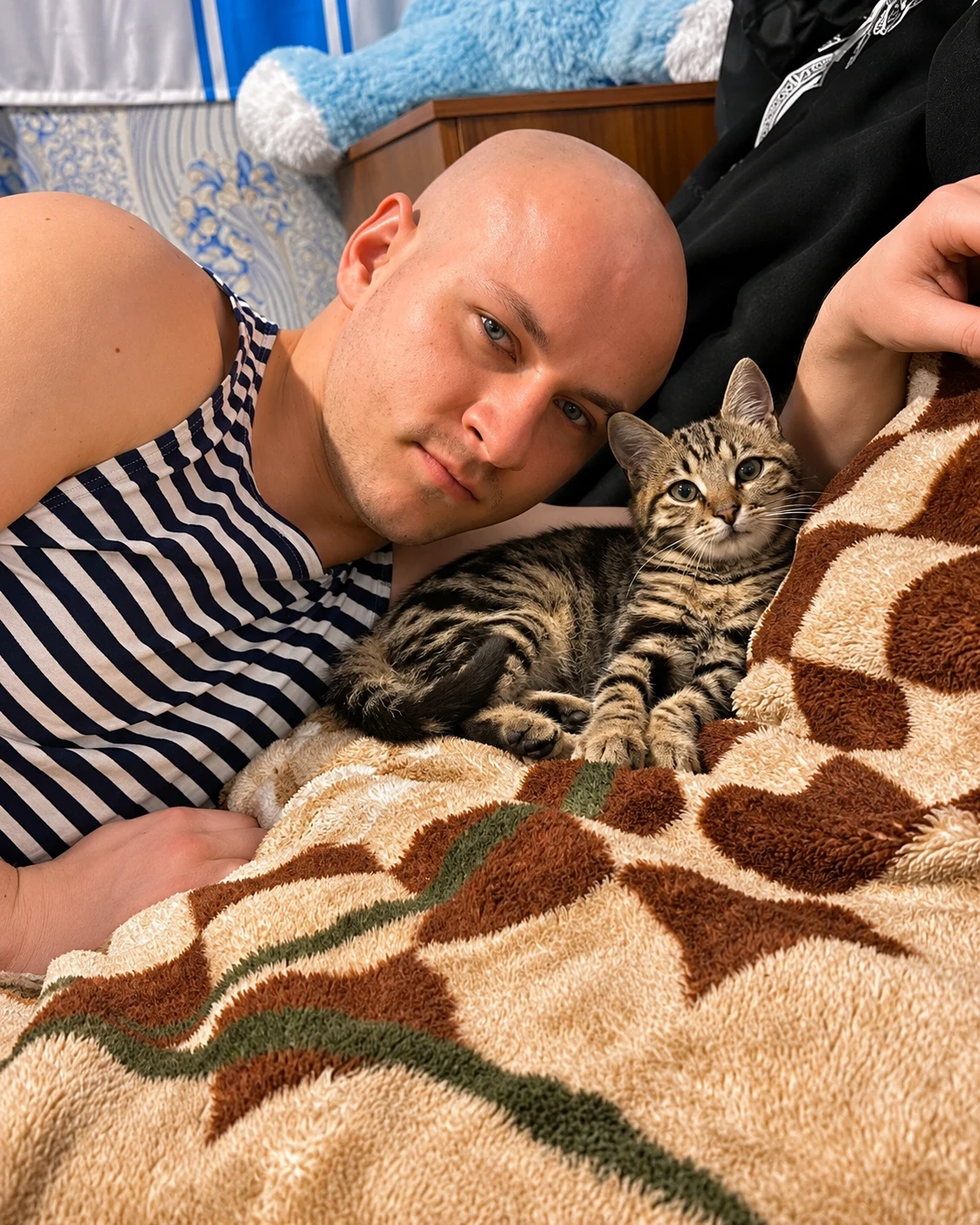
Another incident Yuliia recalls occurred during Ihor’s university years. He was involved in a serious traffic accident in Hlukhiv while driving his mother’s car.
When he returned home with an injury to his forehead, Ihor said:
“Mom, I’m alive.”
According to his mother, another driver had entered from a side road without yielding. To avoid a collision, Ihor drove off the road and crashed into a tree.
When Yuliia asked why he had not continued in his own lane, her son replied that there had been people in the other vehicle.
His mother still connects that incident with the words he had spoken as a child about the stranger lying on the road: “He is a human being.”
In her view, Ihor could be blunt and stubborn, but he was never indifferent to another person’s misfortune.
Legal education and years of life in Europe
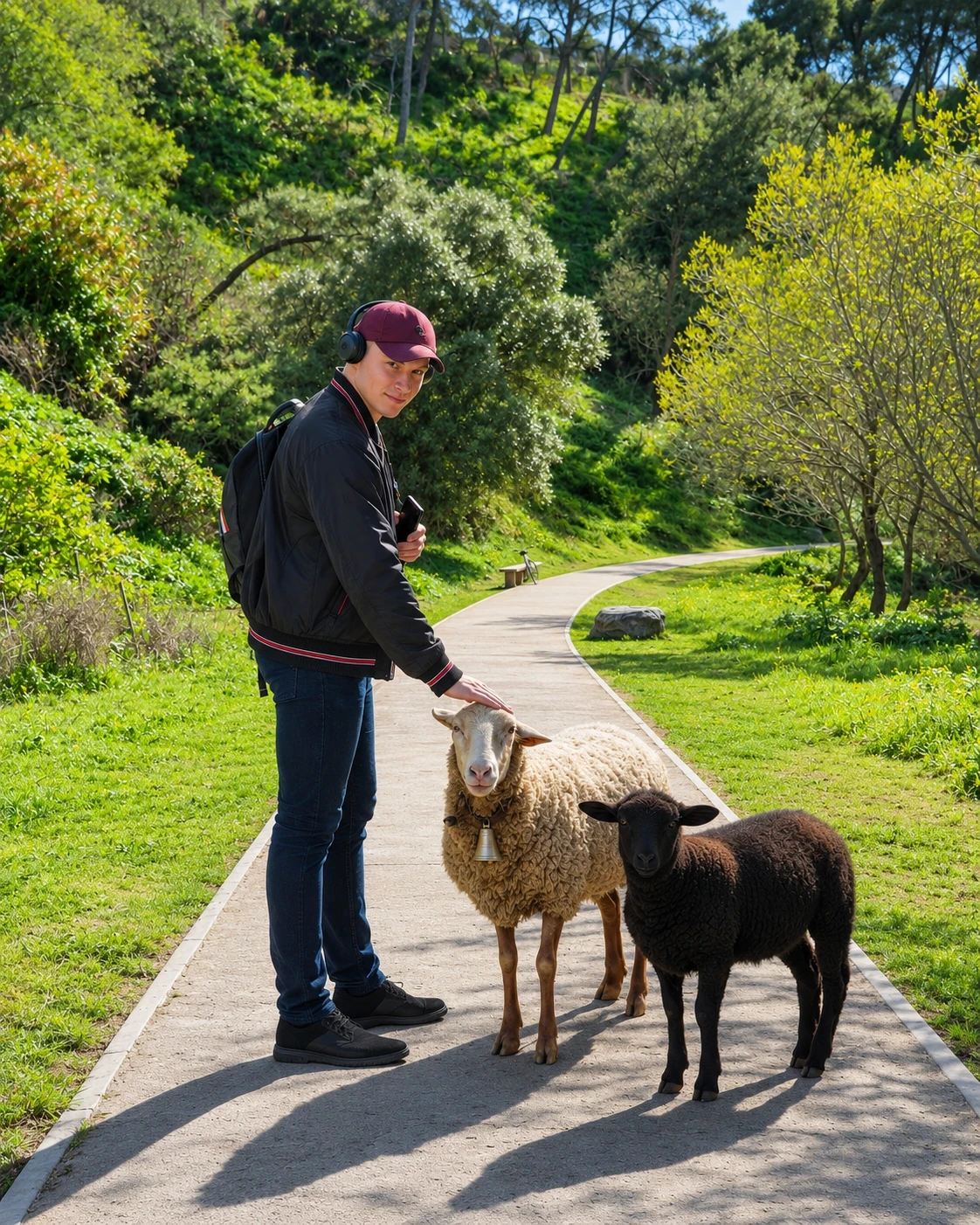
After school, Ihor enrolled at the Kyiv University of Law of the National Academy of Sciences of Ukraine.
From his second year, he also pursued military education at the Military Institute of Taras Shevchenko National University of Kyiv, where he completed officer training.
After university, he continued his studies at the master’s level. The family, however, was facing financial difficulties, and continuing his education required significant resources.
Ihor did not abandon his interest in chess. According to his mother, one of the lecturers with whom he played helped him find an employment opportunity abroad.
After learning German, Ihor travelled to Germany, where he worked for approximately six months. He subsequently moved to Sweden, where he lived and worked for about three and a half years. He later settled in Portugal, where his aunt lived.
In Europe, he had employment, experience of independent living and an opportunity to build a civilian future. Russia’s full-scale invasion, however, changed his plans.
February 24, 2022: The decision to return home
When Russia launched its full-scale invasion of Ukraine, Ihor was in Portugal. According to Yuliia, he immediately decided to return to his homeland.
Ihor resigned from his job and flew to the Czech Republic on February 26. A friend met him there and helped him reach the Ukrainian border. Ihor crossed the border on foot.
His mother says he was deeply affected by what he witnessed: large numbers of people were trying to leave Ukraine while he was walking in the opposite direction.
Ihor reached Kyiv about two days later. Fighting was already under way on the approaches to the capital.
Yuliia met her son in Kyiv on March 1, 2022. Their meeting lasted only about 30 minutes. Ihor then went to the Solomianskyi Territorial Recruitment and Social Support Centre.
His mother understood that his decision was final.
From the defence of Kyiv to the Marine Corps
At the beginning of March 2022, Ihor joined the 130th Territorial Defence Battalion. His father served alongside him. They participated in the defence of Kyiv and the surrounding region.
According to his mother, Ihor was the youngest officer in the company. He was eager to carry out combat missions and took it personally when he was excluded from certain operations.
This led to disagreements between him and his father. Ihor believed his father was trying too hard to protect him and did not always regard him as an independent officer. They eventually resolved the conflict, and Ihor acquired direct combat experience.
After the defence of the capital, he performed missions on the Kharkiv axis. He later decided to continue his service in the Marine Corps.
Within the 36th Separate Marine Brigade, Ihor served in the 2nd Battalion, including as deputy commander of an air-assault company.
His mother’s petition states that he participated in fighting near Donetsk Airport, Pryiutne and Opytne, as well as in counteroffensive operations.
He later continued his service in the 501st Separate Marine Battalion. According to the account contained in the petition, Fedorenko participated in the crossing of the Dnipro River and in combat and reconnaissance operations in the Kherson region, including near Krynky.
During one mission, the family says, he evacuated a wounded fellow soldier from a dangerous area.
Yuliia also describes a combat episode in which Ihor, according to accounts from his fellow servicemen, held a position alone for four days. When his commander contacted him by radio, Ihor asked only for ammunition.
Reinforcements later arrived, and the position was successfully held.
These details come from family testimony and the petition and would require separate documentary confirmation for a conclusive reconstruction of the combat circumstances.
Surgery, a return to the front and his refusal to take leave
In December 2023, Ihor underwent major surgery. According to his mother, doctors recommended a lengthy period of rehabilitation.
After treatment, however, he returned to his unit far earlier than his family had expected. Ihor continued carrying out combat missions, including on the Donetsk axis near Avdiivka.
Yuliia recalls that her son did not always tell her about the dangers he faced. At times, he was out of contact for as long as nine days.
His mother asked him to take care of himself and come home on leave, even if only briefly. According to her, Ihor replied:
“The Marine Corps is my home. I cannot let the boys down.”
Yuliia says that during more than two years of service following the full-scale invasion, her son never took a full period of leave.
She understood his sense of responsibility toward his fellow servicemen, but what she wanted most was simply to see him alive again.
A commander in the Shkval Battalion: Responsibility for soldiers’ lives
In May 2024, Ihor transferred to the Shkval Battalion of the 36th Separate Marine Brigade.
He took command of the 1st Specialized Rifle Company, which was formed from former prisoners who had joined the defence of Ukraine.
According to information provided by his mother and included in the petition, Fedorenko personally trained the servicemen and devoted considerable attention to discipline, tactical preparation and combat readiness.
He did not limit himself to commanding from the rear. During fighting on the Vovchansk axis, Ihor personally participated in infantry battles, assaults and defensive actions alongside his subordinates, according to testimony cited in his mother’s appeal.
Yuliia says it was important to her son not only to complete the assigned mission, but also to preserve as many lives as possible among the people for whom he was responsible.
According to her, after his death, fellow soldiers continued to remember their commander as a demanding, responsible and fair officer.
Those recollections became particularly valuable to his mother. In them, she recognized the boy who had once demanded that an ambulance be called for a stranger because, above all else, “he is a human being.”
His final messages to his mother and the time 11:52
At the beginning of August 2024, Ihor’s company was preparing for a new combat mission in the Kharkiv region, near Bilyi Kolodiaz outside Vovchansk.
According to Yuliia, the unit’s deployment had been scheduled for August 4. On August 1, however, Ihor left to conduct a reconnaissance mission ahead of his soldiers’ deployment.
The day before, his mother had tried to contact him. She sent messages and called. Ihor replied that he was going through a difficult period, wanted to be alone and asked her not to call for the time being.
Yuliia did not yet know that this would be their final exchange.
On the morning of August 1, she wrote to her son again:
“Good morning.”
There was no response. His mother continued checking her phone.
According to her recollection, the last recorded time Ihor was online was 11:52.
For Yuliia, those numbers have a deeply personal meaning. She says her son was also born at 11:52 on October 24, 1995. That coincidence has remained with her ever since.
That evening, Yuliia was at work when her former husband, Ihor’s father, called and told her that their son had been killed.
At first, she could not believe what she had heard. Her Ihor had survived so many dangerous missions, major surgery and long periods without communication—and each time, he had returned.
This time, he would not return.
Captain Ihor Fedorenko was killed while carrying out a combat mission near Bilyi Kolodiaz in the Kharkiv region on August 1, 2024.
The date and location of his death are confirmed by the official list of fallen defenders maintained by the Hlukhiv community. A detailed reconstruction of his final mission is not available in publicly accessible official records.
The farewell, military decorations and a street bearing his name
A farewell ceremony for Ihor Fedorenko was held in Hlukhiv on August 4, 2024. The ceremony began at the Three-Anastasias Cathedral.
Relatives, friends, fellow servicemen and residents of the community then gathered to honor the fallen officer.
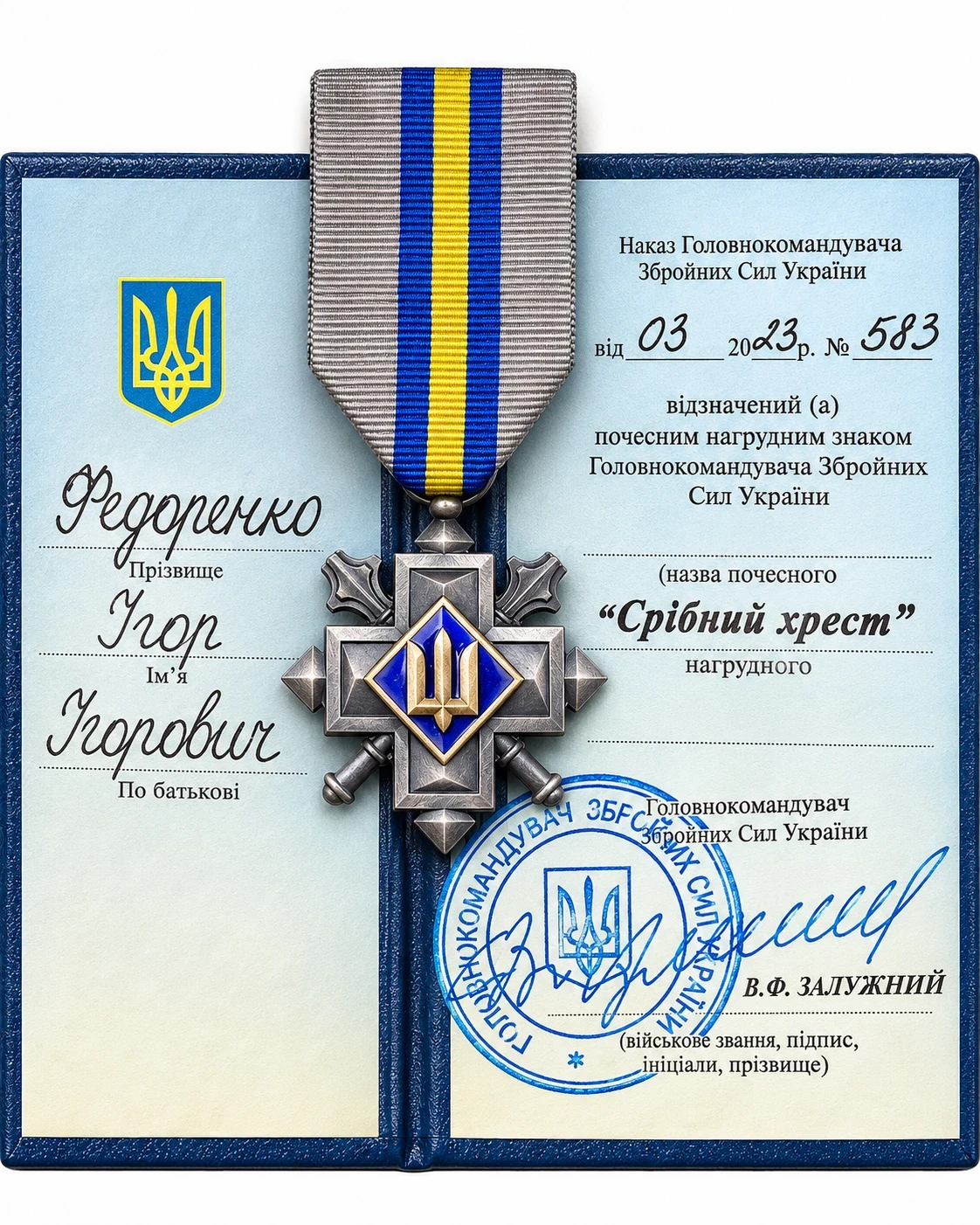
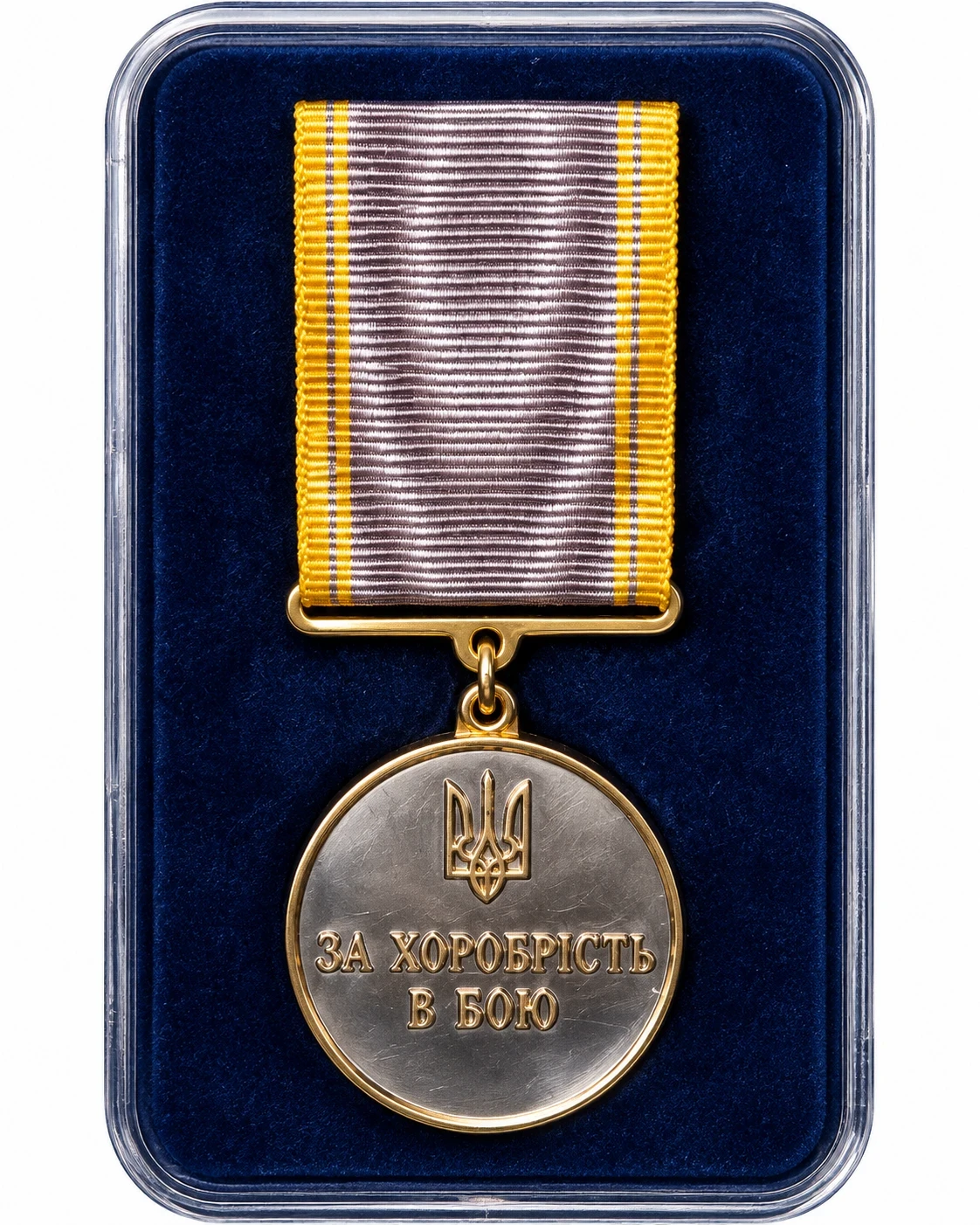
According to materials supplied by the family and information contained in the official petition, Ihor Fedorenko received the following awards:
- Order of Bohdan Khmelnytsky, Third Class — posthumously.
- Commander-in-Chief of the Armed Forces of Ukraine’s honorary badge “Silver Cross.”
- Medal “For Bravery in Combat.”
- “Ukraine Above All” distinction.
- Distinction of the President of Ukraine.
Ihor also held official combatant status.
At the end of December 2024, the Hlukhiv City Council published its decision on the renaming of streets. The former Armed Forces of Ukraine Street, previously known as Suvorov Street, was renamed Ihor Fedorenko Street.
The officer’s memory now remains not only in the family archive and the recollections of his fellow servicemen, but also on the map of his hometown.
His mother asks that Ihor be awarded the Hero of Ukraine title
On November 4, 2026, electronic petition No. 22/271986-еп was published on the official website of the President of Ukraine.
Its author is Yuliia Oleksandrivna Fedorenko.
In the document, she asks that Captain Ihor Ihorovych Fedorenko, call sign “Arktika,” be awarded the title Hero of Ukraine posthumously and presented with the Order of the Gold Star.
The petition describes the officer’s combat record, his service in the 36th Separate Marine Brigade, his awards, the missions he performed and the circumstances of his death.
Yuliia emphasizes that she is appealing not only as a mother who lost her son, but also to request appropriate recognition of his military service, personal courage and responsibility for those under his command.
Official petition No. 22/271986-еп:
https://petition.president.gov.ua/petition/271986
As of November 11, 2026, the collection of signatures is continuing. An electronic petition must receive 25,000 signatures within the prescribed period before it can be submitted to the president for consideration.
Publication of the petition on the official government platform confirms that the appeal exists, but does not in itself mean that a decision has been made to award the requested title.
‘I want people to know what my son was like’
After Ihor’s death, the servicemen of his company continued their duty. According to his mother’s appeal, they participated in subsequent fighting on several fronts, and some of them received military decorations.
For Yuliia, it is important to know that the experience and knowledge Ihor passed on to his soldiers continued to help them after his death.
Most of all, however, she wants her son’s story not to be confined to military reports.
She remembers the little boy whom a doctor helped to name. She remembers his first chess medal, his training before entering the cadet corps and his childhood dream of becoming a general.
She remembers his love for animals, his care for his younger brother, the arguments over cold winter boots, their telephone conversations and the short messages containing only a “+” sign.
She remembers the son who came home after a traffic accident and said:
“Mom, I’m alive.”
And she remembers the officer who explained his decision to remain alongside his fellow servicemen by saying that the Marine Corps had become his home.
Ihor Fedorenko lived for 28 years. During his civilian life, he pursued an education, worked abroad and made plans for the future.
After February 24, 2022, he consciously returned to Ukraine and devoted the final years of his life to military service.
His mother now seeks to preserve the memory not only of Captain Fedorenko and Commander “Arktika,” but also of her Ihor—the person she had known from the first day of his life.
This article was prepared by Wise News Press on the basis of Yuliia Fedorenko’s personal appeal and memories, family photographs supplied to the editorial team, the official electronic petition, announcements by the Hlukhiv City Council and published materials concerning the serviceman’s life and death. His mother’s personal recollections and the combat episodes described in the petition have been attributed accordingly.
Yusuf Inan
WiseNewsPress.com
What's Your Reaction?
 Like
0
 Dislike
0
 Love
0
 Funny
0
 Wow
0
 Sad
0
 Angry
0
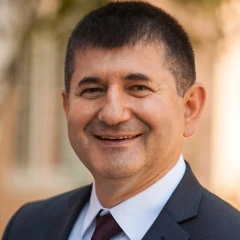
Yusuf İnan is a journalist, columnist, strategic analyst and head of the Wise News Press Media Group. His work focuses on international affairs, geopolitics, security and major social issues. Through his journalism, he promotes peace, dialogue, mutual understanding and responsible reporting while contributing to the development of international media projects.








Comments (0)