



Trips from Russia reach 17-year high amid new mobilization rumors
Russia recorded 1.13 million trips to Georgia, Armenia and Serbia in the third quarter, but the data do not measure unique emigrants.


By Ahmet Taş | Wise News Press
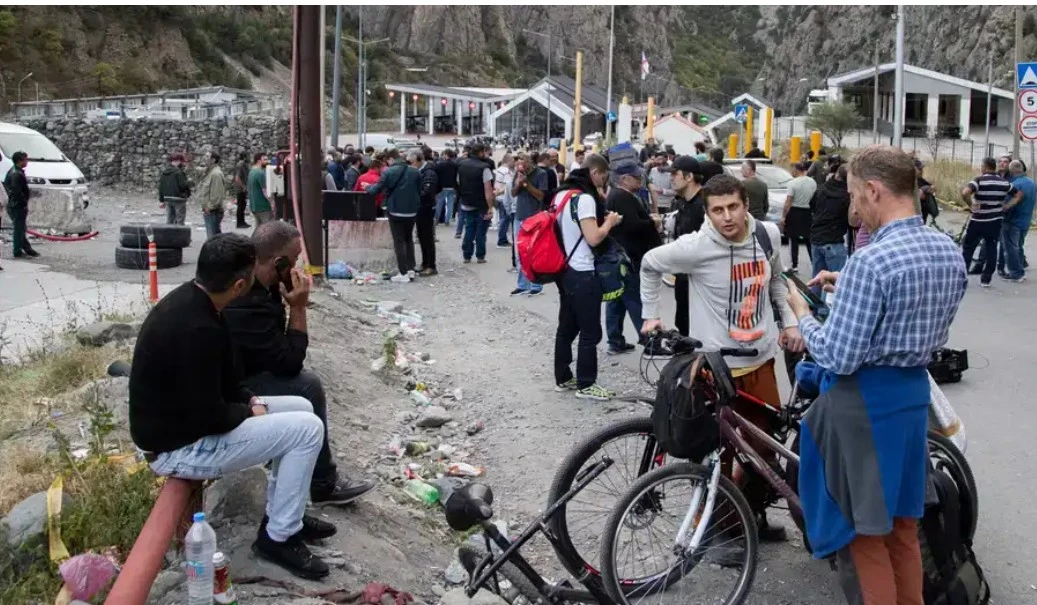
MOSCOW, RUSSIA — Russian border statistics recorded approximately 1.13 million trips to Georgia, Armenia and Serbia in the third quarter of 2026, pushing all three routes to their highest levels in 17 years.
The figures were reported on November 9 by Russian independent outlet Vyorstka, which analysed data from the border service of Russia’s Federal Security Service, or FSB, covering travel between July and September.
The increase occurred as rumors circulated about a possible new mobilization campaign and reports suggested that the Russian military was struggling to recruit enough contract soldiers. The statistics, however, do not establish that mobilization fears caused the rise.
The FSB figures count recorded journeys rather than unique travelers. One person may have crossed the border several times, while tourism, business travel, family visits and transit journeys are all included in the totals.
Three routes recorded about 1.13 million trips
According to Vyorstka’s analysis, Russian citizens made 660,300 trips to Georgia, 402,300 to Armenia and 64,800 to Serbia during the third quarter.
Together, the three routes accounted for approximately 1,127,400 recorded exits from Russia.
That total does not mean 1.13 million different Russian citizens permanently left the country. Border statistics can count multiple journeys by the same person as separate movements.
The data also do not show how long travelers remained outside Russia. They cannot distinguish between short visits, business trips, education, temporary work, transit travel and long-term relocation.
The figures indicate that travel to all three destinations increased substantially compared with previous years, but they cannot be used on their own to calculate the scale of permanent emigration.
Georgia leads with 660,300 recorded exits
Georgia remained the most popular of the three destinations, with 660,300 trips recorded between July and September.
The total was 43,300 higher than in the third quarter of 2025, when the previous record of about 617,000 trips was registered.
The 2026 figure was also 43% higher than in the third quarter of 2022, which included the period immediately following Russia’s announcement of partial mobilization. Border data recorded 461,200 trips to Georgia during that quarter.
There was, however, a notable difference in the way people traveled. In the third quarter of 2022, approximately 460,600 journeys to Georgia were made by car. The comparable figure for 2026 was lower at 418,400.
The difference suggests that the latest increase did not take exactly the same form as the long vehicle queues witnessed at Russia’s land borders in September 2022. Detailed information on the share of air travel and other forms of transportation was not provided.
Armenia and Serbia also set records
Travel to Armenia reached 402,300 trips during the third quarter, the highest quarterly figure recorded since the observation period began in 2010.
The previous record was 344,700 trips in the third quarter of 2025. The annual increase was therefore about 57,600 journeys, or nearly 17%.
Serbia also registered a new high, with 64,800 trips by Russian citizens between July and September.
The previous record for Serbia was 53,200 trips in the third quarter of 2024. Although the overall number remained much lower than the totals for Georgia and Armenia, it was the highest recorded level for the Serbian route.
Georgia, Armenia and Serbia have been among the destinations chosen by Russian citizens leaving the country since Moscow launched its full-scale invasion of Ukraine.
Visa arrangements, transport connections, Russian-speaking communities and networks established by earlier arrivals may all influence the popularity of the three countries. The border figures do not provide a breakdown of travelers’ reasons for choosing each destination.
Mobilization rumors increased interest in leaving
The increase came as rumors spread inside Russia about a possible new round of mobilization. No new nationwide mobilization order had been officially announced during the period covered by the report.
Vyorstka had previously reported that Russian officials were discussing possible responses to recruitment problems, including the rotation of reservists or another mobilization campaign. Russian authorities have not publicly confirmed the full scope of those reported discussions.
Kovcheg, a human rights organization that assists Russian emigrants, said it had observed increased interest in relocation as mobilization rumors circulated.
The organization reported that people were seeking information about moving to destinations already popular with Russian citizens, including Armenia, Georgia and Serbia.
Real estate agents in Yerevan also reported a sharp increase in inquiries from Russian citizens seeking rental housing. Other reports described increased demand for long-term accommodation in Tbilisi and Serbian cities.
Those observations point to growing interest in relocation, but they do not prove that mobilization fears were the sole or primary cause of the record travel figures.
Border figures do not measure permanent migration
FSB border statistics record journeys by Russian citizens according to destination, but they do not identify the purpose or duration of each trip.
The data therefore cannot determine how many people left because of the war, concerns about military service or political pressure.
Tourists, students, business travelers, people visiting relatives and Russians already living abroad may all appear in the same dataset. A resident of another country who visits Russia and later departs again can also generate a new exit record.
A person crossing the border more than once within the same quarter may be counted on every trip. Adding the figures for the three countries and describing the total as the number of emigrants would therefore be misleading.
A more reliable estimate of permanent migration would require data on residence permits, work permits, address registrations and long-term accommodation from the destination countries.
Such information would need to be compared with Russian border statistics to establish how many travelers remained abroad.
The pattern differs from the 2022 mobilization period
Russia’s partial mobilization announcement in September 2022 produced long vehicle queues at several land borders. Georgia and Kazakhstan were among the countries that experienced particularly visible increases in arrivals.
Although the number of trips to Georgia in the third quarter of 2026 exceeded the 2022 figure, the available data do not show that the country experienced the same type of sudden and permanent exodus.
The lower number of journeys made by car also demonstrates why the two periods should not be treated as directly comparable.
The significance of the latest figures is that Georgia, Armenia and Serbia all reached record levels during the same quarter. This indicates a broad increase in outbound travel to countries previously associated with Russian wartime emigration.
It remains unclear how much of that movement represents temporary travel and how much reflects a longer-term migration trend.
Future border statistics, together with residence and work permit data from the three destination countries, may show whether the third-quarter increase was temporary or part of a sustained rise in emigration from Russia.
WiseNewsPress.com
What's Your Reaction?
 Like
0
 Dislike
0
 Love
0
 Funny
0
 Wow
0
 Sad
0
 Angry
0

Ahmet Taş is a journalist, editor and Turkey Office Manager of the Wise News Press Media Group. He works across news, digital media and international publishing, focusing on accurate, responsible and accessible journalism. He contributes to the development of media projects that bring important political, social and global developments to a wider international audience.
















Comments (0)