



Iran war reshapes global economy: Winners and losers emerge
As the Middle East conflict disrupts global energy markets, Russia, Norway, and Canada emerge as economic winners while the US and Europe face inflation risks.


By Ahmet Taş | Wise News Press
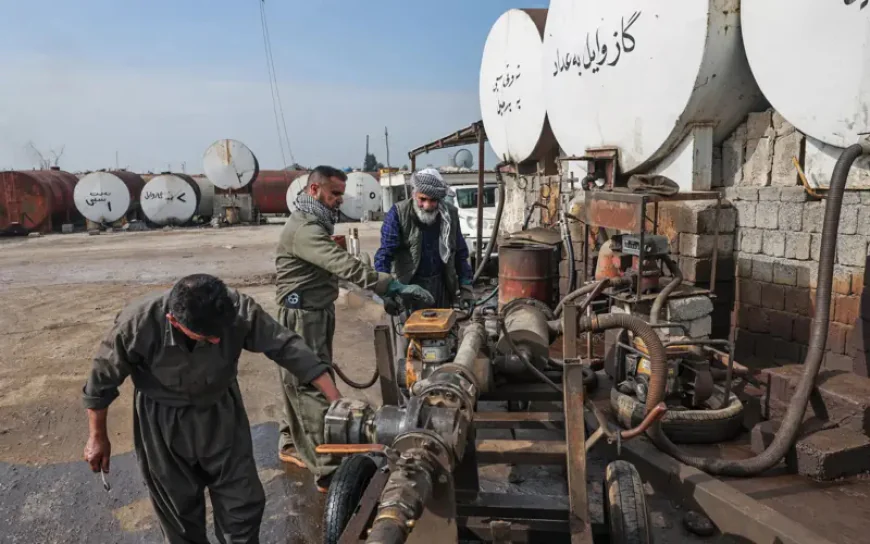
LONDON, UNITED KINGDOM — The escalating conflict in the Middle East and targeted attacks on energy facilities are sending shockwaves through global markets, creating a stark divide between economic winners and losers.
While countries like Norway, Canada, and Russia are reaping massive profits from the disrupted energy supply chain, major consumers including the United States, Europe, and heavily reliant Asian nations are bracing for severe inflation and economic contraction. The financial toll is already being felt globally, from increased heating bills for households in the UK to energy-saving school closures in Pakistan.
Russia, Norway, and Canada emerge as winners
Gulf producers like Qatar and Saudi Arabia are facing severe disruptions due to Tehran's strategy of targeting allied energy infrastructure and the de facto blockade of the Strait of Hormuz. As customers scramble for alternatives, Norway and Canada are stepping up to fill the void. Canadian Minister of Energy Tim Hodgson positioned his country as a stable and reliable energy producer, though questions remain about Canada's actual capacity to significantly boost output to meet sudden global demand.
Ironically, the biggest winner of the current geopolitical crisis appears to be Russia. According to BBC Economics correspondent Dharshini David, as Washington eases sanctions to alleviate global supply shortages, Russian crude oil sales to India have surged by 50 percent. Estimates suggest Moscow could earn an additional 5 billion dollars by the end of March, potentially making this its most lucrative year for energy revenues since the 2022 invasion of Ukraine. Furthermore, as oil shortages drive some nations back to coal, major exporters like Indonesia are also seeing a massive financial windfall.
US and Europe face severe inflation risks
Despite President Donald Trump's past assertions that the United States profits when oil prices rise, experts warn that America is not a clear winner in this scenario. US energy giants are directly impacted; for instance, ExxonMobil's operations at Qatar's Ras Laffan industrial zone have been severely damaged by Iranian missile strikes, keeping the facility offline since early March. Additionally, US shale producers, who have scaled back capacity over the years due to low wholesale prices, cannot increase production rapidly enough to meet the widening gap.


American consumers, who represent the world's largest per capita users of oil and natural gas, are highly vulnerable to these price fluctuations. Economists from Oxford University warned that if oil prices reach the 140 dollars mark and sustain that level, the global economy could face a significant contraction risk. European and British consumers, who remain heavily dependent on imported gas, are equally exposed. The rising costs of energy, fertilizer, and shipping could add approximately 0.5 percent to inflation rates later this year, threatening to undo recent economic recoveries.
Asian markets and the threat of global contagion
Asian nations heavily reliant on oil and liquefied natural gas flowing eastward through the Strait of Hormuz are among the most exposed to the fallout. The continent sources 59 percent of its crude oil from the Middle East, with South Korea alone relying on the region for 70 percent of its supply. This heavy reliance has sparked warnings from policymakers regarding the semiconductor industry, as South Korea manufactures more than half of the world's memory chips.
The crisis has already forced severe emergency measures in several developing nations. Sri Lanka, Bangladesh, and the Philippines have resorted to implementing four-day work weeks and closing educational institutions to conserve national energy supplies.


However, major powers like China and India remain somewhat insulated. China possesses several months' worth of strategic reserves and has reportedly increased its direct imports from Iran. Similarly, India has capitalized on the temporary easing of international sanctions to purchase vast quantities of Russian oil. If the war prolongs, analysts warn that the economic damage will not remain confined to individual nations, significantly increasing the risk of a severe global financial contagion.
What's Your Reaction?
 Like
0
Like
0
 Dislike
0
Dislike
0
 Love
0
Love
0
 Funny
0
Funny
0
 Wow
0
Wow
0
 Sad
0
Sad
0
 Angry
0
Angry
0

Editor | Wise News Press — Delivering accurate, timely global news with integrity, insight, and editorial responsibility.

















Comments (0)