



EU to propose entry restrictions for Russians who fought against Ukraine
The European Commission is preparing recommendations on EU entry restrictions for Russians who fought against Ukraine, with proposals due this autumn.


By Ahmet Taş | Wise News Press
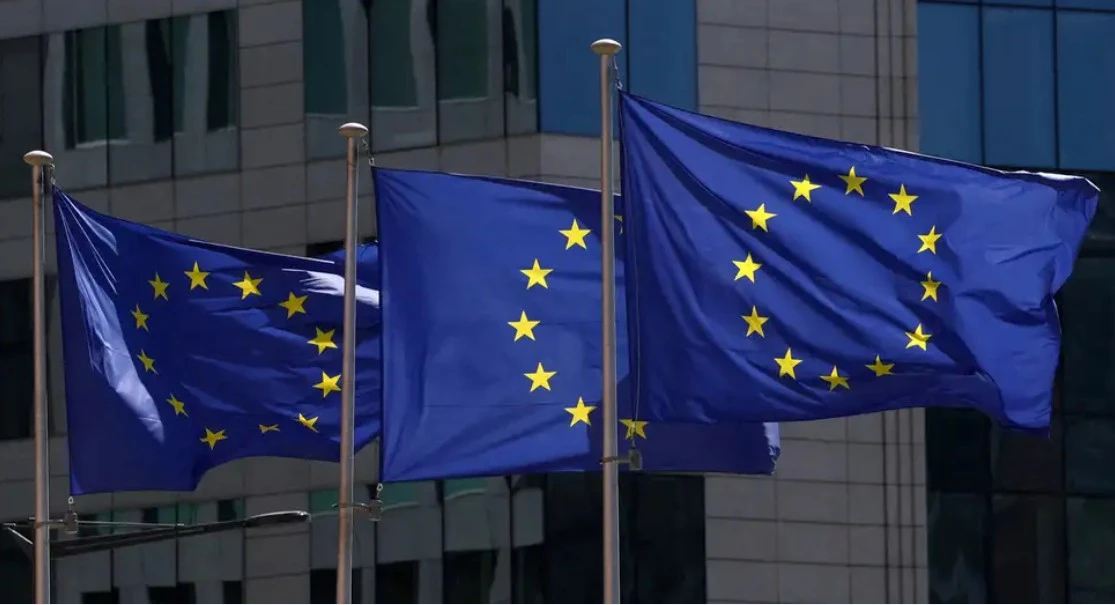
BRUSSELS, Belgium — The European Commission is preparing recommendations on possible entry restrictions for Russian citizens who have taken part in Moscow’s war against Ukraine.
The recommendations are expected to be presented to the Council of the European Union this autumn. According to Deutsche Welle, European Commission spokesperson Siobhan McGarry confirmed the plan on Friday, October 2, during a briefing in Brussels.
EU Commission to submit recommendations this autumn
The European Commission is working on a set of recommendations that would guide how EU member states could apply entry restrictions to Russian citizens involved in the war against Ukraine.
The planned step follows discussions inside the European Union over how to address the movement of people who have participated in Russia’s military aggression and may later seek to enter EU territory.
McGarry said the recommendations would be prepared for the Council of the European Union and presented before the end of the autumn period.


“As agreed under this sanctions package, the European Commission will prepare recommendations for the Council of the EU. They will be presented to the Council this autumn,” McGarry said, according to the report.
Who the restrictions would target
The proposed restrictions concern Russian citizens who are taking part, or have previously taken part, in hostilities against Ukraine.
The measure is aimed not at Russian citizens in general, but at those linked to the war effort. The focus is on people who have been involved in military action against Ukraine and whose entry into the European Union could raise security, legal or political concerns for member states.


The Commission has not yet explained how participation in hostilities would be verified in practice. That question is expected to be one of the key technical issues in the recommendations.
Legal basis included in the 21st sanctions package
The legal basis for the measure was included in the European Union’s 21st sanctions package against Russia, which was adopted at the end of July.
The sanctions package formed part of the EU’s broader response to Russia’s full-scale invasion of Ukraine. Since the start of the war, the bloc has repeatedly expanded sanctions targeting Russia’s financial sector, military-industrial networks, energy revenues, individuals and entities linked to the aggression.
The entry restriction mechanism adds a personal and security-focused dimension to the EU’s sanctions policy. It reflects growing concern that people who participated in the war could later use travel routes into Europe without a coordinated EU-level framework.
Details of implementation remain unclear
The European Commission has not yet disclosed the content of the future recommendations. It also has not clarified how the restrictions would be applied at borders, through visa systems or through national security checks.
Deutsche Welle previously reported, citing a senior EU diplomat, that EU countries agreed during discussions on the 21st sanctions package that the mechanism needed additional technical work. According to that account, the work had already begun.
Key questions remain open: what kind of evidence would be required, which authorities would assess individual cases, and how member states would coordinate decisions across the Schengen area and the wider EU.
Decision process will move through the EU Council
Sanctions decisions in the European Union require unanimity among member states. That means the Commission’s recommendations will need to be considered by EU governments before any common approach can be fully applied.
The Council of the European Union will be responsible for examining the recommendations and deciding how the proposed mechanism should move forward.
The unanimity rule can make sanctions decisions politically sensitive, particularly when measures affect border policy, national security procedures and relations with third countries. Still, the EU has maintained a broad sanctions framework against Russia since the beginning of the full-scale invasion.
Part of Europe’s wider security debate
The planned recommendations come as Europe continues to reassess the long-term security consequences of Russia’s war against Ukraine.
For EU countries, the issue is not limited to battlefield developments. It also includes migration control, visa policy, border security and accountability for individuals who have taken part in aggression against Ukraine.
If adopted and implemented, the restrictions would become another element of the EU’s pressure campaign against Moscow. They would also signal that participation in the war against Ukraine may carry consequences beyond the battlefield, including limits on access to European territory.
The final scope of the measure will depend on the Commission’s recommendations and the position taken by EU member states in the Council.
WiseNewsPress.com
What's Your Reaction?
 Like
0
Like
0
 Dislike
0
Dislike
0
 Love
0
Love
0
 Funny
0
Funny
0
 Wow
0
Wow
0
 Sad
0
Sad
0
 Angry
0
Angry
0

Ahmet Taş is a journalist, editor and Turkey Office Manager of the Wise News Press Media Group. He works across news, digital media and international publishing, focusing on accurate, responsible and accessible journalism. He contributes to the development of media projects that bring important political, social and global developments to a wider international audience.













Comments (0)