



Israel and US Strike Iran: Massive Air Operation Escalates Conflict
Israel and the US launched a massive air strike against 500 targets in Iran, resulting in at least 201 deaths and sparking regional retaliation.


By Ahmet Taş | Wise News Press
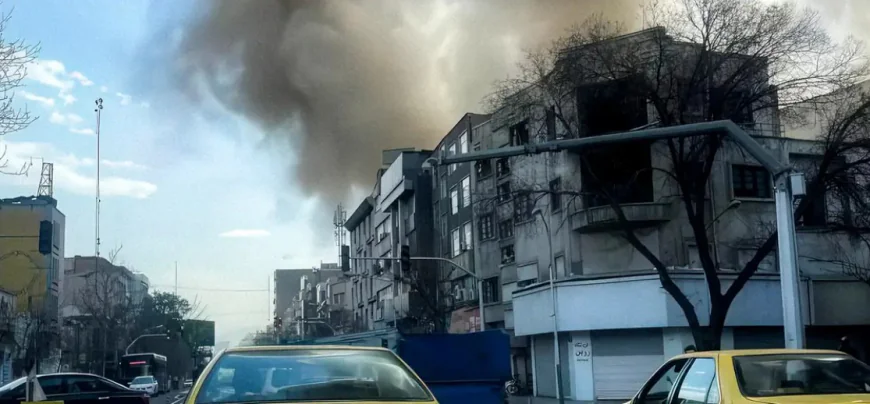
TEHRAN, IRAN — Israel and the United States launched a massive joint aerial operation against Iranian military infrastructure on February 28, 2026, striking approximately 500 targets and triggering a wide-scale retaliatory response from Tehran.
The operation, described by the Israeli military as the largest in its air force history, has pushed the Middle East to the brink of an all-out regional war. With over 201 confirmed dead and high-level Iranian leadership residences reportedly destroyed, international leaders are calling for an immediate de-escalation as global security hangs in a delicate balance.
Massive Joint Air Operation Targets Iranian Defense
The Israeli Defense Forces (IDF) confirmed that the operation involved approximately 200 fighter jets targeting the Iranian "terror regime's" missile arsenal and air defense systems. The strikes, which began in the early morning hours, focused primarily on central and western Iran. Military officials stated that the primary objectives included missile launchers and sophisticated air defense batteries designed to protect Tehran’s strategic assets.
Following the initial wave of strikes, Iran launched a significant retaliatory offensive. Tehran’s response targeted Israeli territory as well as regional United States military bases, marking a dangerous expansion of the theater of operations. According to reports from DW, the escalation represents a direct confrontation between the two major powers and the Islamic Republic on a scale not seen in previous decades.
Humanitarian Toll and Civilian Infrastructure Damage
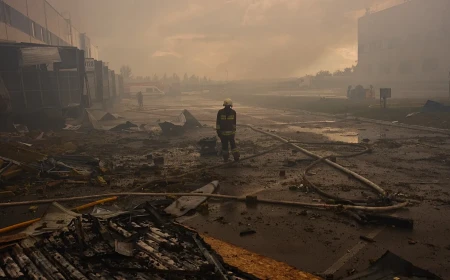
The humanitarian impact of the morning strikes has been severe. The Iranian Red Crescent reported that at least 201 people have been killed and approximately 750 others wounded in the initial bombardment. According to the ISNA news agency, the strikes impacted 24 of Iran's 31 provinces, indicating a geographically comprehensive offensive that disrupted civilian life across the nation.


One of the most tragic incidents occurred in the Hormozgan province, where an elementary school in the Minab district was struck by a missile. Local officials reported that at least 70 students were killed and 90 others injured in the blast. The Tasnim news agency noted that the school appeared to be a direct target, despite being located in a region known for its proximity to various naval bases.
In response to the chaos, the Iranian Security Council urged residents of Tehran to evacuate the capital and seek refuge in quieter regions. Schools and universities have been closed indefinitely, though banks remain operational to prevent a total economic collapse.
Strategic Impacts and High-Profile Targets
Reports from Sabrin News and NBC indicate that the official residence of Iran’s Supreme Leader, Ayatollah Ali Khamenei, was among the high-profile targets hit during the operation. Satellite imagery shared by the portal showed that the highly fortified "Beit-e Rahbari" compound in Tehran was completely destroyed.


While Khamenei’s exact location during the strike remains unconfirmed, Iranian Foreign Minister Abbas Araghchi stated that both the Supreme Leader and President Masoud Pezeshkian are alive. However, Araghchi confirmed that two high-ranking military commanders were killed during the strikes. He further warned that every base utilized for the US-Israeli operation is now considered a "legitimate target" for the Iranian Armed Forces.
Global Reactions and Diplomatic Escalation
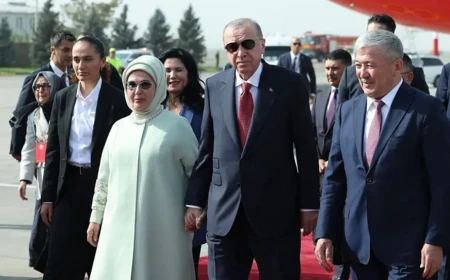
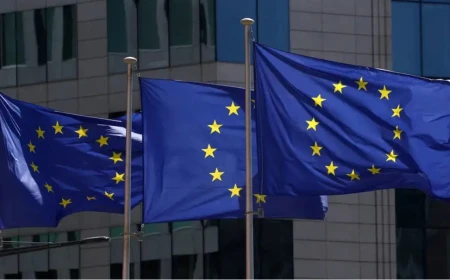
The international community has reacted with profound concern and varying degrees of condemnation. Turkish President Recep Tayyip Erdoğan expressed "deep sorrow and concern" over the strikes. Speaking at an Iftar event in Istanbul, Erdoğan condemned the violation of Iranian sovereignty while also labeling Iran’s retaliatory strikes on Gulf countries as "unacceptable". He warned that if diplomacy is not given priority, the entire region risks being dragged into a "circle of fire".
In Europe, German Chancellor Friedrich Merz called for an immediate halt to the hostilities. Through a government spokesperson, Merz urged Iran to cease its "destabilizing activities" and stop the violence against its own people. Merz emphasized that Germany was not involved in the military operation but remains in close contact with its allies in Washington and Tel Aviv.
Meanwhile, United Nations Secretary-General António Guterres condemned the expansion of the war, stating that the violence between the US-Israel coalition and Iran "undermines international peace and security". Guterres reminded all member states of their obligations under the UN Charter to refrain from the threat or use of force against the territorial integrity of any state.
Regional Stability and the Threat of All-Out War
The conflict has already begun to bleed across borders. In Iraq, military officials warned against the country being drawn into the crossfire after two people were killed in air strikes in the south. Major General Sabah al-Numan stated that Iraq rejects the use of its airspace or territory as a "launching point" for attacks against Iran.
In Syria, the official SANA news agency reported that a missile—likely launched from Iran—struck a building in the southern city of Suwayda, resulting in five deaths. These incidents highlight the extreme volatility of regional borders as missile trajectories crisscross the Middle East.
Hezbollah in Lebanon has declared its full solidarity with Iran, threatening both the US and Israel with a "heavy blow". While the group has not yet detailed its military plans, Israeli officials have reportedly threatened the Lebanese government with the destruction of civilian infrastructure, such as airports, should Hezbollah intervene.
Security Warnings and Next Steps
The diplomatic landscape in Tehran has become increasingly precarious. The Turkish Embassy in Tehran issued a security warning to its citizens, advising them to stay in safe areas, avoid military buildings, and postpone non-essential travel to the country. The embassy noted that while land borders remain open for those wishing to return to Turkey, the situation remains "sensitive".
In the United States, the White House confirmed that President Donald Trump monitored the situation overnight from Mar-a-Lago alongside his national security team. Trump maintained direct telephone contact with Prime Minister Benjamin Netanyahu throughout the operation. As the IDF prepares for further potential waves of conflict, US Secretary of State Marco Rubio briefed congressional leaders on the status of the "comprehensive" military engagement.
If a ceasefire is not established immediately, as Erdoğan and Guterres have demanded, the Middle East faces the very real possibility of a systemic collapse of regional stability. The coming hours will likely determine whether the "window for diplomacy" remains open or if the region has entered a protracted period of catastrophic warfare.
What's Your Reaction?
 Like
0
Like
0
 Dislike
0
Dislike
0
 Love
0
Love
0
 Funny
0
Funny
0
 Wow
0
Wow
0
 Sad
0
Sad
0
 Angry
0
Angry
0

Editor | Wise News Press — Delivering accurate, timely global news with integrity, insight, and editorial responsibility.












Comments (0)