



The age of safe but lonely relationships in the digital era
Clinical Psychologist Yasemin Yalçın warns that one-sided digital relationships may reduce emotional closeness and increase loneliness and psychosomatic symptoms.



WISE NEWS PRESS / ISTANBUL, TÜRKİYE
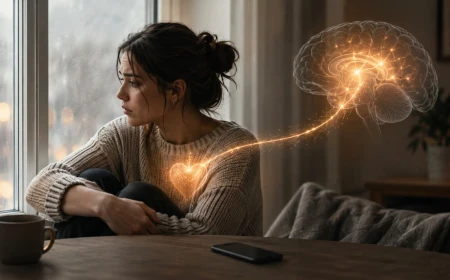
Experts say that while digitalization has increased the number of social connections, genuine emotional closeness has declined, leaving many people feeling safe yet deeply lonely in modern relationships.
Clinical Psychologist Yasemin Yalçın from Üsküdar University NPİSTANBUL Hospital states that one-sided relationships formed through social media, screens, and artificial intelligence may feel secure but often lack emotional depth and reciprocity.
Why one-sided digital relationships feel safer
According to Yasemin Yalçın, digital connections provide a constant sense of availability, but this form of interaction frequently remains superficial. In psychology, these bonds are described as “parasocial relationships,” where emotional investment exists without mutual interaction.
“These relationships are increasingly preferred because they are controllable and reduce the risk of rejection or disappointment,” Yalçın said, adding that people can experience closeness without emotional vulnerability.
Human psychology needs mutual interaction
Yalçın emphasized that human psychology does not develop through safety alone but through reciprocal emotional exchange. Genuine relationships, she noted, require physical presence, emotional feedback, and co-regulation between individuals.


“When these elements are missing, people may feel connected but still lack a deep emotional bond,” she explained, warning that prolonged absence of real intimacy can lead to inner emptiness and emotional numbness.
Comfort zones shrink without awareness
Prolonged distance from real-life relationships can result in emotional stagnation, Yalçın said. Symptoms may include lack of motivation, difficulty making decisions, procrastination, and persistent feelings of loneliness.
“As genuine relationships begin to feel demanding and risky, observing from a distance becomes easier,” she explained. “Over time, individuals unknowingly narrow their comfort zones and withdraw further from meaningful connections.”


When emotions are not expressed, the body responds
Yalçın stressed that the human body cannot remain indifferent to the absence of emotional and physical contact. The nervous system, she said, relies on touch, eye contact, voice tone, and emotional responsiveness for regulation.
“When these needs are unmet, psychosomatic symptoms such as unexplained pain, chronic fatigue, digestive issues, muscle tension, heart palpitations, and shortness of breath may increase,” she noted.
Artificial bonds offer relief, not lasting balance
Highlighting the growing role of artificial intelligence in emotional interactions, Yalçın said that non-judgmental and always-available digital companions can feel appealing.
However, she underlined that lasting psychological balance can only be achieved through real, reciprocal relationships. “Close relationships are not a romantic luxury but a psychological and biological necessity,” she said. “Human beings exist not by merely observing, but by connecting through genuine emotional exchange.”
What's Your Reaction?
 Like
0
Like
0
 Dislike
0
Dislike
0
 Love
0
Love
0
 Funny
0
Funny
0
 Wow
0
Wow
0
 Sad
0
Sad
0
 Angry
0
Angry
0

Editor | Wise News Press — Delivering accurate, timely global news with integrity, insight, and editorial responsibility.




















Comments (0)