



Amarna Miller at the Umayyad Mosque: Islam’s doors should stay open
Amarna Miller’s mosque visit raises a wider question about prejudice, mercy and whether sacred spaces should remain open to every sincere visitor.


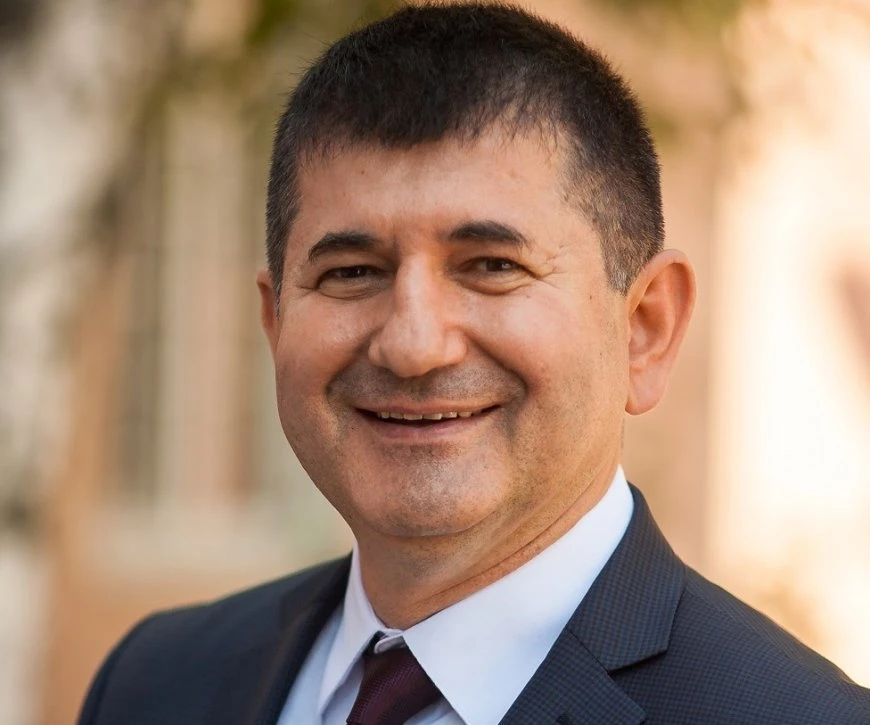
By Yusuf İnan | Wise News Press
Journalist and author | Political and strategic analyst
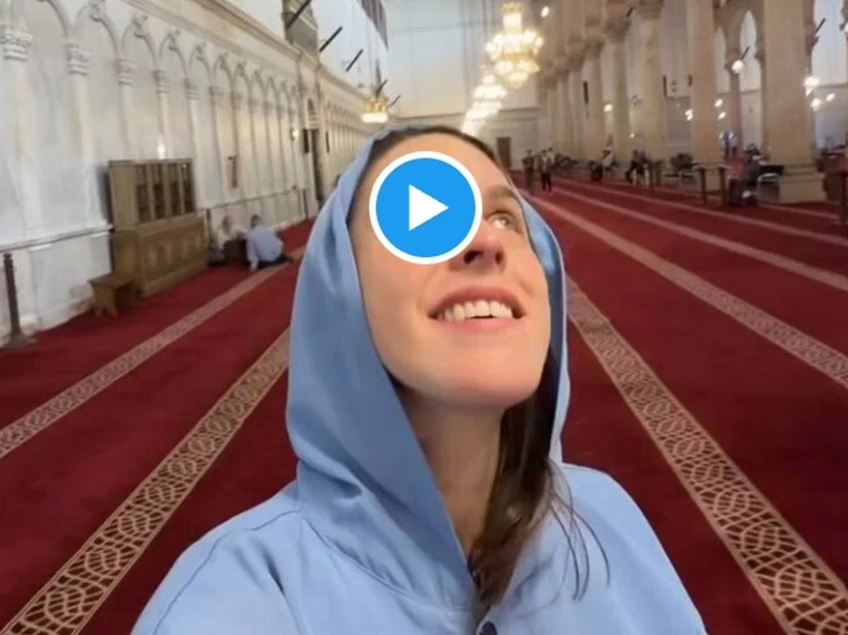
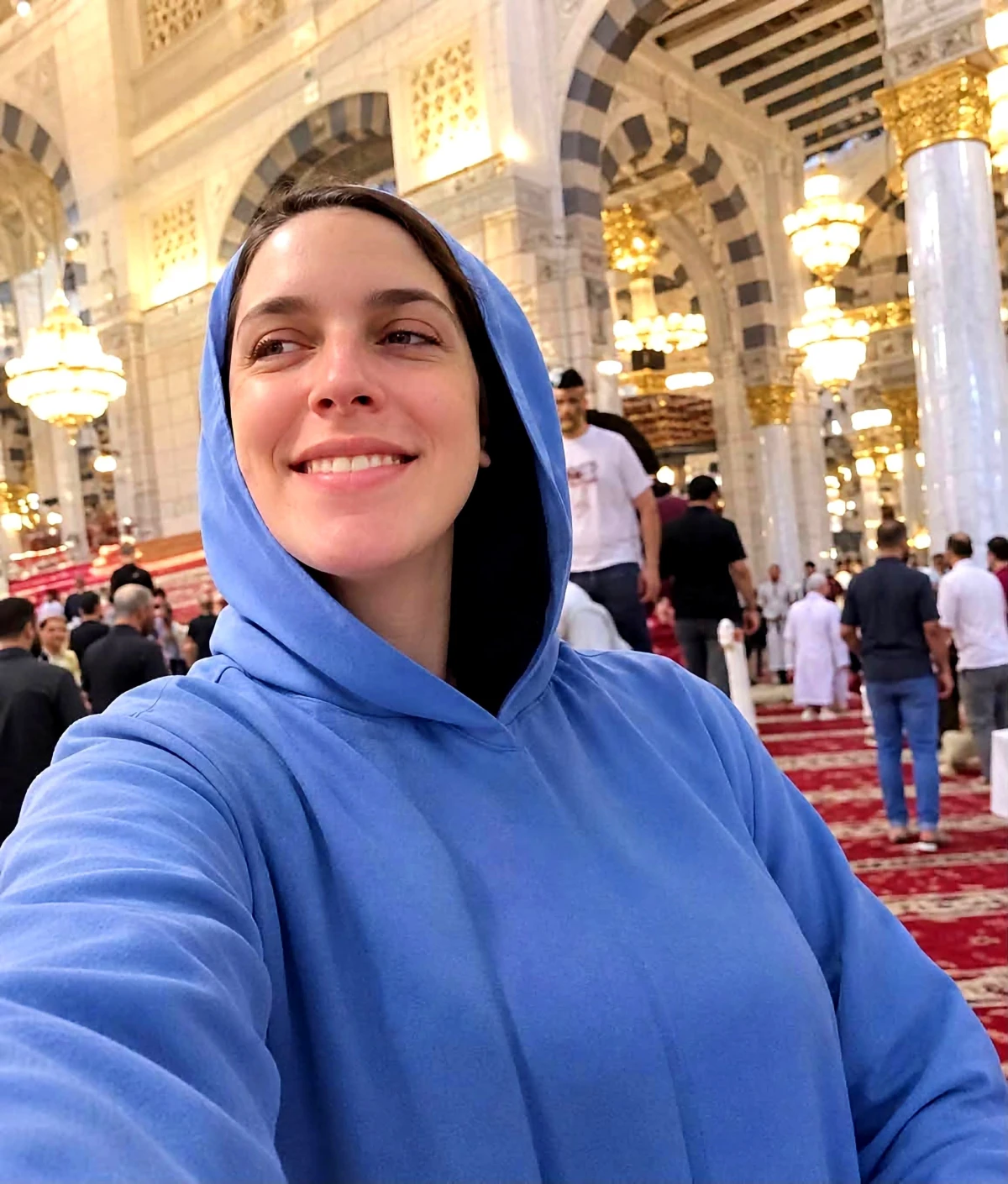
Amarna Miller’s visit to Syria’s Umayyad Mosque has become a test of whether religious communities respond to a person’s past with permanent judgment or with dignity, mercy and hope.
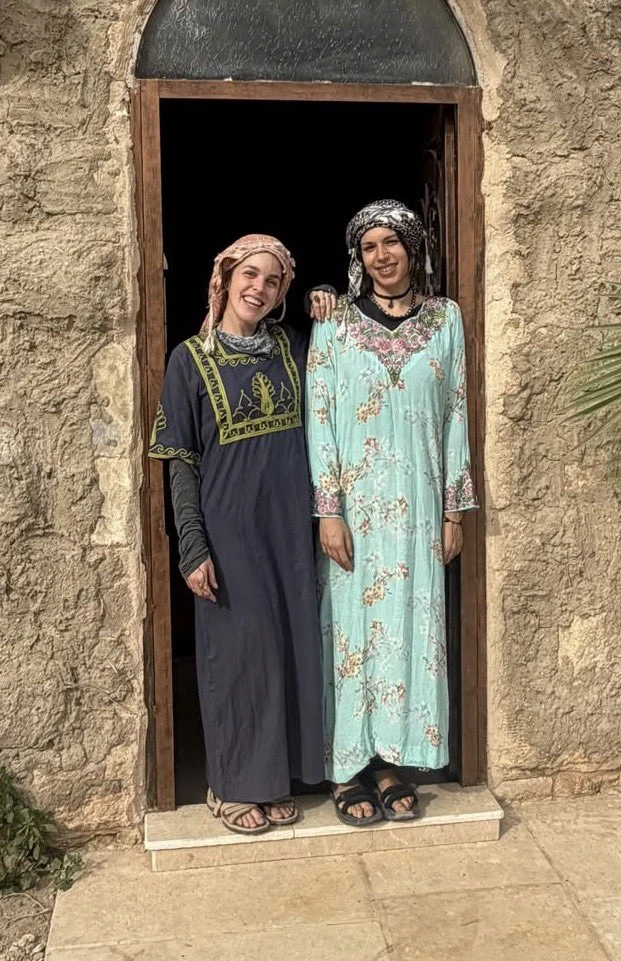
The former adult film performer also toured Palmyra and Bosra, yet much of the public discussion reduced the journey to one label from her previous career. That framing misses the larger question: Should a person’s past prevent her from entering a sacred place, encountering its history or standing quietly before a tradition that may speak to her in ways outsiders cannot know?
I do not believe it should. A mosque is not a private club for morally perfect people. Respect for its rules matters, but turning its entrance into a tribunal contradicts the mercy Muslims claim to represent. We do not know what Miller believes or felt during the visit, and we should not pretend that we can read her heart.
Should a visitor’s past be examined at a mosque door?
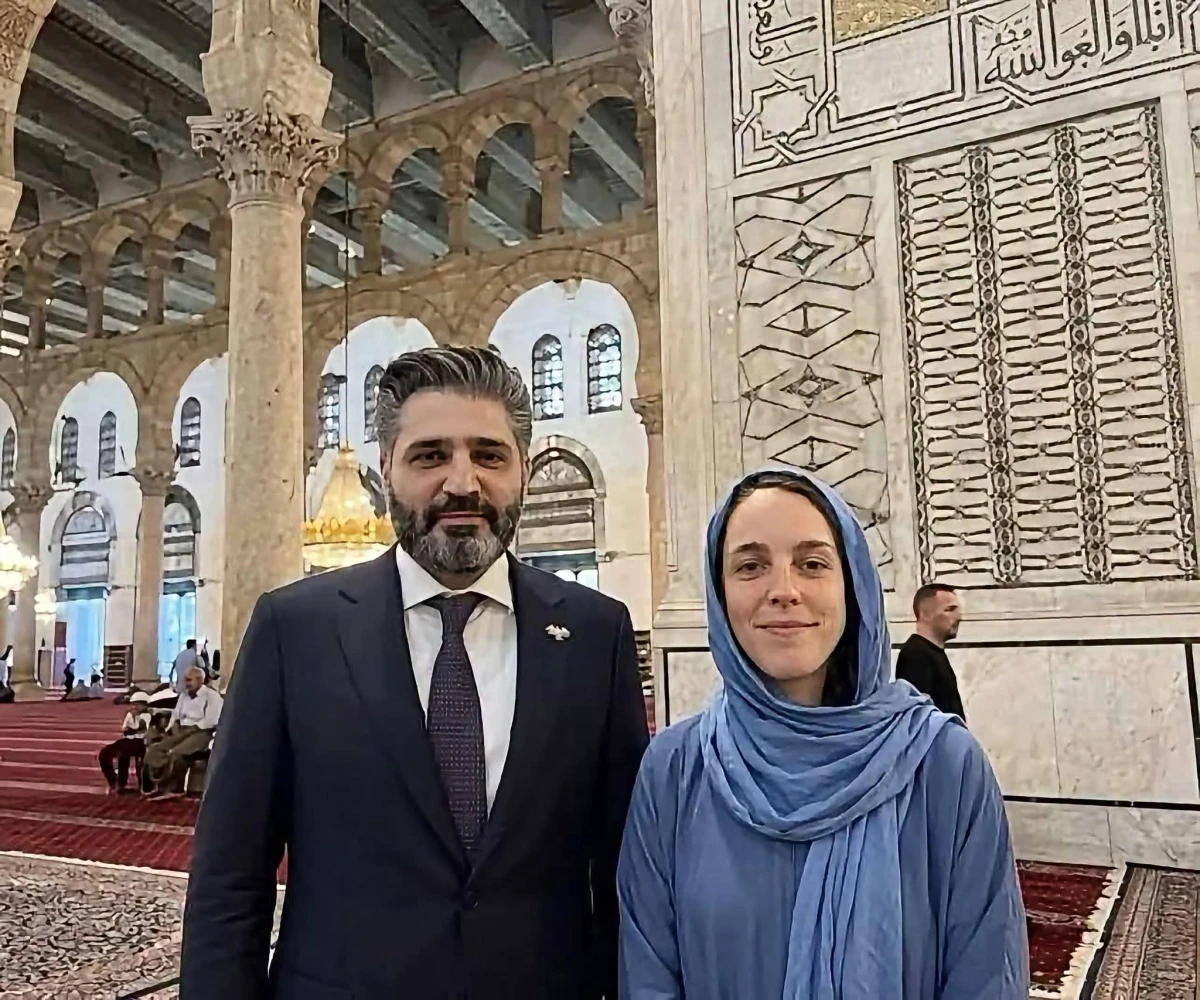
The Umayyad Mosque is part of Damascus’s living memory, carrying traces of different communities and historical eras. People enter it to pray, learn or encounter a civilisation whose influence reaches far beyond Syria.
Any visitor should be expected to dress and behave respectfully, protect worshippers’ peace and follow the site’s rules. A moral investigation of the visitor’s résumé should not be among the conditions.
A person may have worked in an occupation believers consider wrong. Her priorities may later change—or they may not. We cannot determine that from a photograph. Closing the possibility that a sacred place could move someone toward goodness suggests little confidence in religion’s transformative power.
I value Miller’s interest in Syria’s heritage. I would even hope that a free spiritual search might one day turn her heart toward the Kaaba—not as an imposed identity, but as a wish that every person remain free to approach truth.
Separate the real visit from an AI-generated image
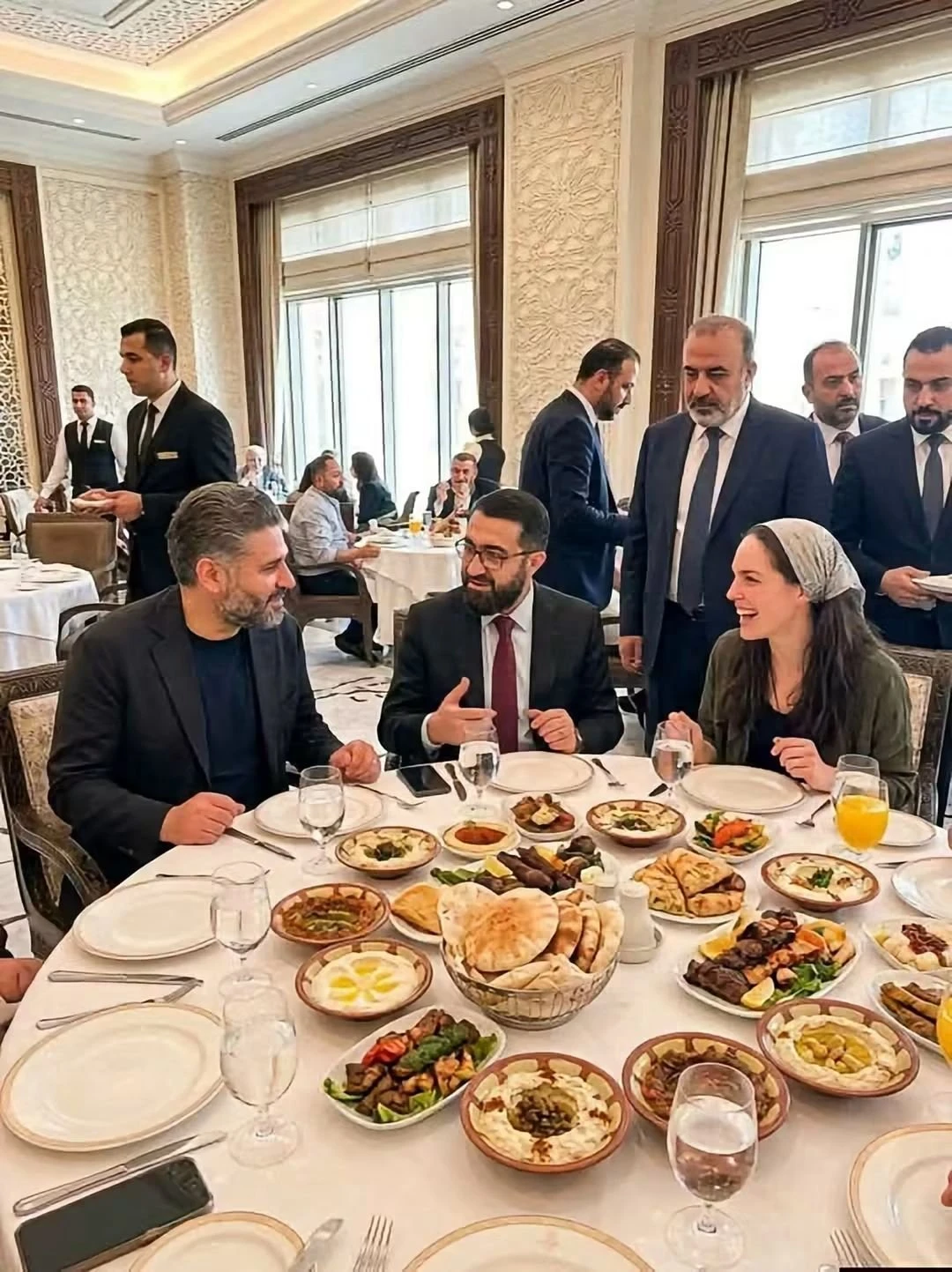
The controversy also shows how quickly misinformation exploits moral outrage. Miller did visit the Umayyad Mosque. What was false was a widely circulated image appearing to show her beside Syrian Culture Minister Mohammad Yassin Saleh inside the mosque.
Verify-Sy found that the image had been generated or altered with artificial intelligence. The documented encounter with Syrian officials occurred in Palmyra, not inside the mosque.
Syrian officials said their delegation happened to meet tourists in Palmyra, that Miller had received no official invitation and that the government had not paid for her journey. A claim that $23,400 in public funds financed the trip was also rejected as misleading.
There is a contradiction in defending a sacred place while sharing a fabrication to shame someone. Islamic ethics also asks whether our words are truthful and whether we harm reputations through falsehood.
Do not despair of God’s mercy
One saying is often repeated in Turkish religious discussion as if it were Quranic: that God forgives sins “as numerous as the foam of the sea.” The sea-foam comparison is not a Quranic verse. It appears in an authentic hadith about remembering God: a person who says “Subhan Allah wa bihamdihi” one hundred times is promised forgiveness, even if his errors resemble the foam of the sea.
The Quran’s clearest message of hope appears in Surah Az-Zumar, verse 53:
“Do not lose hope in Allah’s mercy.”
The verse addresses people who have transgressed against themselves, not only those who already consider themselves righteous.
Forgiveness does not make every action right. Islam distinguishes between rejecting wrongdoing and permanently rejecting the person. Conduct can be criticised, but the possibility of change must remain.
Bishr al-Hafi and the possibility of transformation
Bishr al-Hafi is often presented in Muslim culture as an example of transformation. Popular stories describe a youth dominated by alcohol and entertainment. The firmer biographical record says he received religious instruction, studied hadith and later embraced asceticism and Sufi spirituality.
A famous Sufi account says Bishr found a paper bearing God’s name on the ground. He cleaned and perfumed it, then placed it somewhere elevated. A dream reportedly told him that because he had honoured God’s name, his own name would be honoured.
This is a devotional narrative, not a modern archival record. Its moral meaning remains powerful: a moment of respect or awakening can redirect a life. If people are judged solely by yesterday, no room remains for tomorrow.
Umar’s story and the limits of moral surveillance
Classical ethical works relate a story about Caliph Umar ibn al-Khattab. While inspecting Medina at night, he heard sounds from a house, crossed its wall and confronted the resident over what he found.
The resident acknowledged his own fault but reminded Umar of Quranic principles against spying and entering homes without permission. Umar recognised that his method had also been wrong and withdrew.
The report’s chain of transmission is not strong, so it should not be presented as unquestionable history. Still, its central lesson agrees with clearer Quranic commands protecting privacy.
Social media allows everyone to climb over another person’s wall. We enlarge photographs, search old records and announce judgments about intentions we cannot see. Faith is not a licence to investigate everyone else’s hidden life. It begins with examining our own conduct.
Selective morality and the question of interest
Public morality often works selectively. Miller’s former profession becomes the first phrase in a headline, while financial practices embedded in daily life receive far more flexible treatment.
The Quran’s position on riba, generally translated as usury or interest, is explicit:
“God has permitted trade and forbidden riba.”
It later instructs believers to abandon what remains of it and emphasises that neither side should inflict or suffer injustice.
That clarity does not justify condemning every bank employee as if all roles and circumstances were identical. Modern banking contains different duties and degrees of responsibility, while scholars may differ over particular products.
Nor should spiritual warnings about unlawful earnings become unsupported medical claims that interest income directly causes physical disease. People may discuss spiritual consequences, but illnesses require evidence-based explanations.
The comparison exposes a double standard. When an issue affects our salaries, mortgages or credit cards, we acknowledge complexity. When judging another person’s past, we prefer one label and an immediate verdict.
Keep the door open instead of excluding people
Islam does not need believers to close every door in its name. Its message becomes meaningful through wisdom, gracious speech and exemplary conduct. The Prophet Muhammad’s example stresses winning hearts, preserving dignity and leaving a path open for renewal.
We do not know what Miller thought inside the Umayyad Mosque. Perhaps she was interested only in history and architecture. Perhaps she wanted to understand a country devastated by war. Perhaps the mosque’s stillness produced a feeling she chose not to share. Where knowledge ends, responsible judgment should stop.
Exclusion is easy; welcome requires moral courage. Instead of telling a visitor, “Your past means you cannot be here,” we should be capable of saying, “Welcome. This is a place of history, prayer and mercy.”
I commend Amarna Miller for visiting the Umayyad Mosque and engaging with Syria’s historical heritage. Rather than imprisoning her inside a description of her former career, I hope the encounter opens a new window of understanding—for her and for those watching from outside.
True Islam does not reduce a person to one mistake. It offers the possibility of standing again and beginning anew. Our duty is not to act as guards deciding who deserves to approach the door, but to represent truthfully and compassionately the mercy that lies beyond it.
Yusuf İnan
WiseNewsPress.com
What's Your Reaction?
 Like
0
 Dislike
0
 Love
0
 Funny
0
 Wow
0
 Sad
0
 Angry
0
Yusuf İnan is a journalist, columnist, strategic analyst and head of the Wise News Press Media Group. His work focuses on international affairs, geopolitics, security and major social issues. Through his journalism, he promotes peace, dialogue, mutual understanding and responsible reporting while contributing to the development of international media projects.

















Comments (0)