



Ukraine-US-Russia talks in Abu Dhabi: No result announced after day one
Ukraine, the US and Russia completed 4.5 hours of talks in Abu Dhabi without announcing an outcome, with negotiations scheduled to resume on November 11.


By Ahmet Taş | Wise News Press
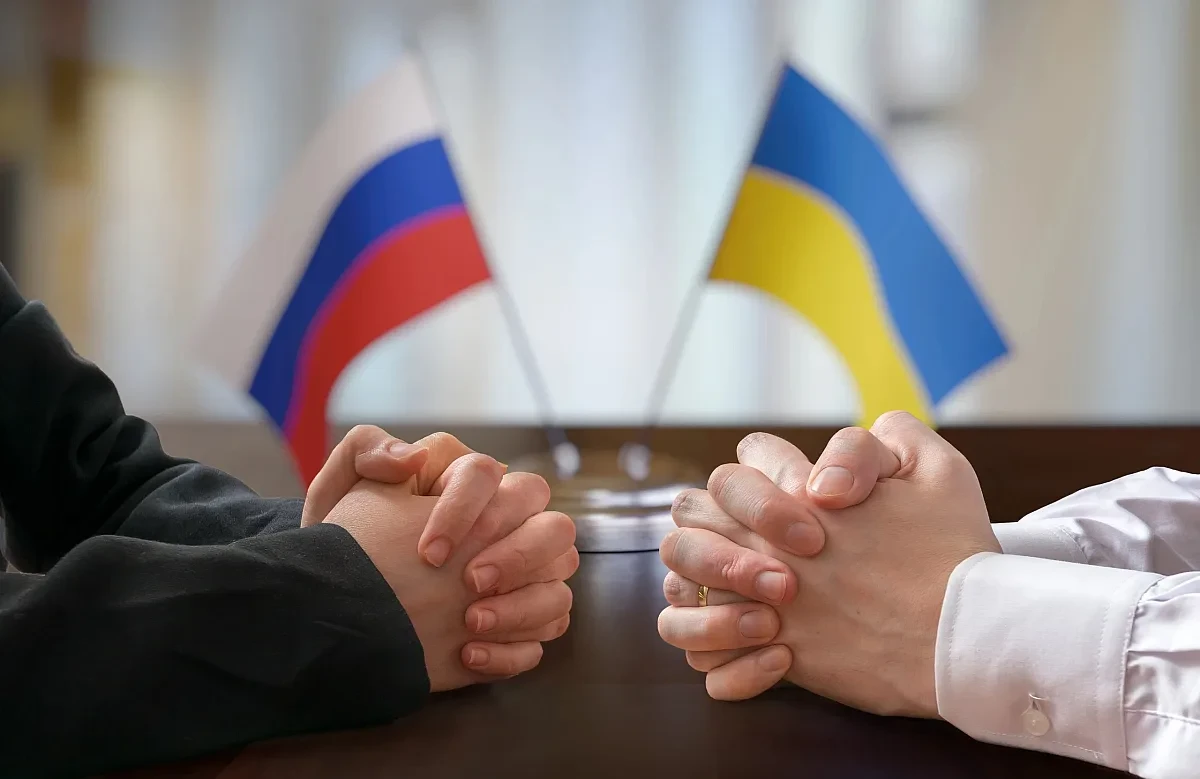
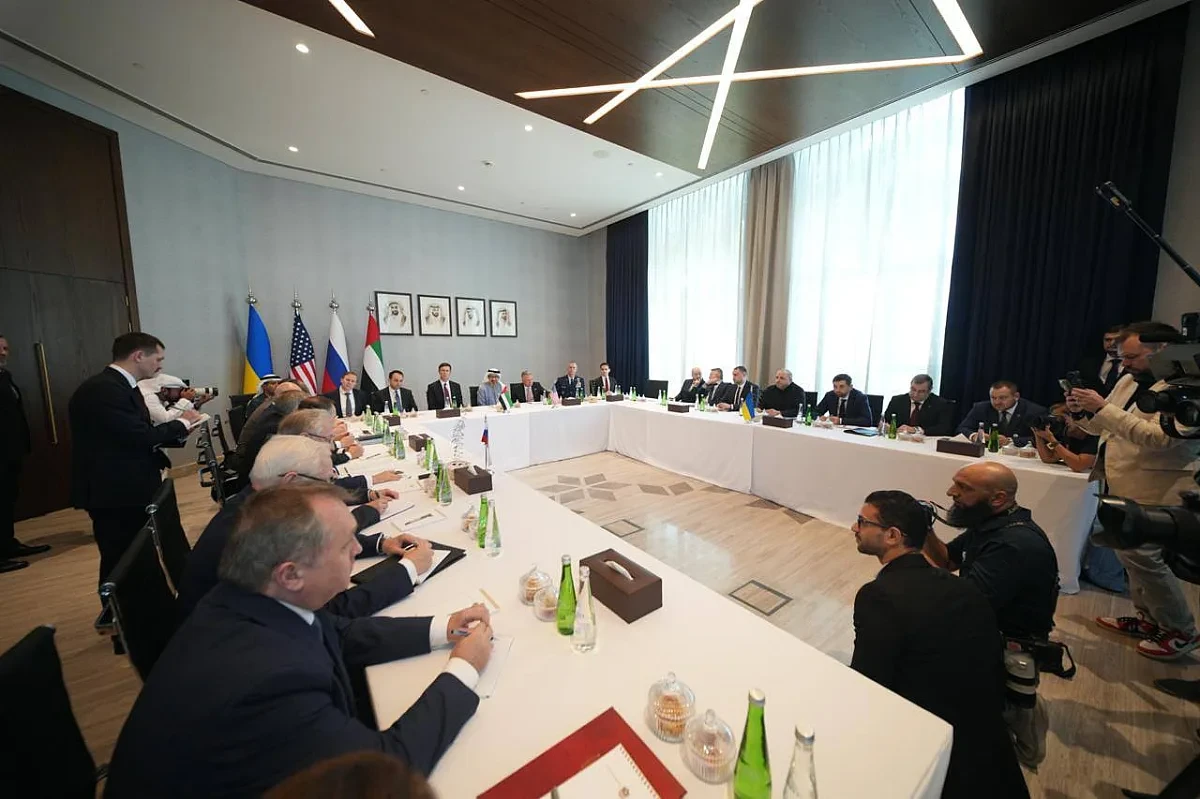
ABU DHABI, United Arab Emirates — Ukraine, the United States and Russia completed the first day of trilateral talks in Abu Dhabi after roughly 4.5 hours, with no official outcome announced and negotiations set to resume Wednesday.
The US-mediated meeting was the first trilateral session involving the parties since February. Discussions focused on ending hostilities, postwar security guarantees, Ukraine’s economic recovery and humanitarian measures, including possible prisoner exchanges.
Talks to resume on November 11
Ukrinform, citing the press service of Ukraine’s Foreign Intelligence Service, reported that the November 10 session had concluded and would resume on the morning of November 11.
The intelligence service did not release details about the results of the first day. Associated Press described the opening session as lasting nearly four hours, while Ukrainian media reports placed its duration at approximately 4.5 hours.
None of the three delegations issued a comprehensive joint statement after the meeting. The absence of an announcement does not necessarily mean the talks produced no progress, but no formal agreement had been publicly confirmed at the time of publication.
Ukraine’s delegation was led by Foreign Intelligence Service chief Rustem Umerov. The team also included Head of the Presidential Office Kyrylo Budanov, presidential aide Serhii Kyslytsia, military intelligence deputy chief Vadym Skibitskyi and parliamentary faction leader Davyd Arakhamia.
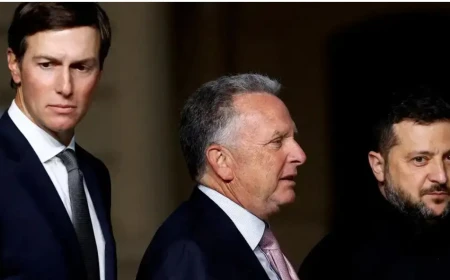
US presidential envoys Steve Witkoff and Jared Kushner represented Washington. Russia’s delegation was led by Kremlin adviser Vladimir Medinsky and included senior diplomatic and security officials.
Before the trilateral session, the Ukrainian delegation held separate consultations with representatives of the United States, the European Union, NATO, Britain, France, Germany and Italy. European officials did not participate directly in the Ukraine-US-Russia meeting.
Four priorities on the agenda
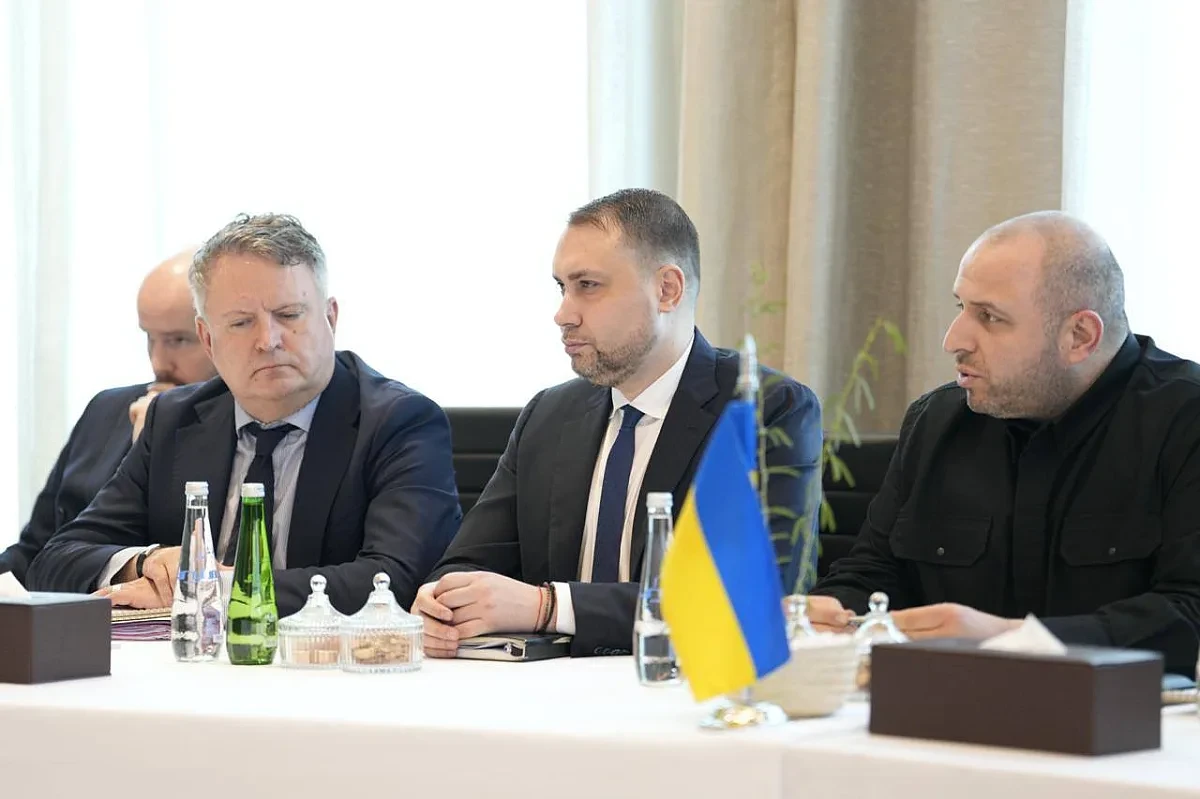
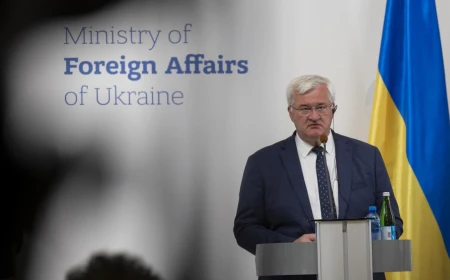
Umerov said before the talks that the agenda included key questions related to ending hostilities and bringing peace closer.
Ukraine identified four principal priorities: a cessation of hostilities, reliable postwar security guarantees, economic recovery and development, and humanitarian measures.
A statement issued after the separate European consultation said any future settlement should respect Ukraine’s sovereignty, territorial integrity and independent decision-making. Participants also discussed a security framework intended to reduce the risk of renewed conflict after the war.
A source described as close to the Ukrainian negotiating team told Radio Free Europe/Radio Liberty that the first session concentrated on security guarantees for Ukraine and Europe. Russia’s demands for guarantees concerning its own security were also reportedly discussed.
US envoy Jared Kushner said contacts before the meeting had narrowed some differences between the parties, according to Reuters. Ukrainian media also reported that Kushner described Russian President Vladimir Putin as prepared for peace under certain conditions.
The US delegation did not publish a detailed transcript confirming or explaining the reported statement. The conditions under which Moscow might accept an agreement therefore remained unclear.
Ceasefire sequence remains a central divide
One of the most significant disagreements concerns whether a ceasefire should precede negotiations on a future European security system.
Kyiv argues that fighting should be halted first, allowing the parties to negotiate a durable settlement without continuing battlefield deaths. Moscow says the outlines of a future security architecture should be agreed before a general ceasefire takes effect.
Russian Foreign Minister Sergey Lavrov said Moscow would not accept another halt in fighting without understanding what would follow. He argued that the future security arrangements involving Russia, Ukraine and Europe should be clarified first.
“We will not agree to another ceasefire without understanding what comes next.”
Ukraine and its European partners maintain that a comprehensive security settlement cannot be negotiated effectively while attacks continue. They also want any agreement to include credible guarantees designed to prevent another Russian assault.
The competing approaches leave the parties divided over both the substance of a potential settlement and the order in which its components should be implemented.
Prisoner exchange reports remain unconfirmed
Humanitarian issues were among Ukraine’s declared priorities before the negotiations. Budanov said prisoner exchanges needed to be intensified and expressed hope that the Abu Dhabi talks would produce practical steps toward bringing more Ukrainians home.
Following the first session, several Ukrainian media outlets and Telegram channels reported possible progress toward a large prisoner exchange. Interfax-Ukraine, citing unnamed sources, reported that the parties had reached an understanding on an exchange expected to take place in the near future.
Ukraine, Russia and the United States had not officially confirmed that report at the time of publication. No information was released about the number of prisoners involved, the potential date or the categories of people who might be included.
The reported exchange therefore cannot yet be treated as a confirmed result of the first day. Further details could emerge after the Ukrainian delegation briefs President Volodymyr Zelenskyy or following the second session.
Previous rounds of US-mediated negotiations produced prisoner exchanges and limited humanitarian arrangements despite failing to deliver a broader political settlement. That record has made the humanitarian track one of the areas where negotiators may be able to achieve more immediate progress.
Zelenskyy proposes a ceasefire along the current front line
Zelenskyy said the fastest way to end the active phase of the war would be to stop fighting along the current line of contact and then begin negotiations on a comprehensive political settlement.
He acknowledged that negotiations could last one month, two months, a year or longer. The immediate benefit of a ceasefire, he said, would be an end to battlefield deaths while diplomatic discussions continued.
The Ukrainian president said a ceasefire arrangement would require decisions on monitoring, the line of separation, security guarantees, military deployments and postwar reconstruction.
During a telephone conversation with Finnish President Alexander Stubb, Zelenskyy said Ukraine and its partners were committed to substantive work on de-escalation, effective security guarantees and a path toward peace.
“It is essential that Russia take the same approach,” Zelenskyy said, according to the Ukrainian presidency.
Moscow has resisted calls for an immediate and unconditional ceasefire. Russian officials argue that suspending combat before a broader agreement is reached could allow Ukraine to regroup and rebuild its military capabilities.
Fighting continued during the diplomatic push
The negotiations took place as military operations and long-range strikes continued.
Reuters reported that Russian forces attacked energy infrastructure across several Ukrainian regions overnight, causing power outages and casualties. Ukraine also continued its long-range attacks against targets inside Russia.
The continuing strikes underline the gap between diplomatic discussions and conditions on the ground. They also increase pressure on negotiators to consider interim de-escalation measures even if a comprehensive settlement remains distant.
The front line has changed relatively little in recent months, while Kyiv and Moscow continue to reject major elements of each other’s proposed settlement.
Russia continues to demand Ukrainian withdrawal from territories Moscow claims to have annexed, restrictions on Ukraine’s armed forces and guarantees that Ukraine will not join NATO. Kyiv rejects surrendering territory it controls and insists on retaining the right to determine its own defence and international alignments.
What to watch on day two
The Ukrainian delegation is expected to brief Zelenskyy on the first session before receiving instructions for the next round.
The November 11 talks are likely to revisit a possible prisoner exchange, de-escalation measures, attacks on energy infrastructure and the structure of postwar security guarantees.
Another question is whether the parties can establish a schedule for further talks or prepare a meeting at a higher political level. Zelenskyy has called for a leaders’ format, while major political decisions would ultimately require approval from the Ukrainian and Russian presidents.
The first day kept the diplomatic channel open but produced no publicly confirmed breakthrough. The outcome of the second session will depend on whether the parties can turn discussions on humanitarian measures and security arrangements into concrete, verifiable commitments.
WiseNewsPress.com
What's Your Reaction?
 Like
0
 Dislike
0
 Love
0
 Funny
0
 Wow
0
 Sad
0
 Angry
0

Ahmet Taş is a journalist, editor and Turkey Office Manager of the Wise News Press Media Group. He works across news, digital media and international publishing, focusing on accurate, responsible and accessible journalism. He contributes to the development of media projects that bring important political, social and global developments to a wider international audience.










Comments (0)